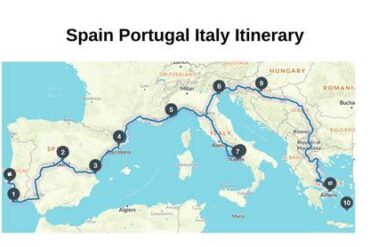
Germany, Spain, Italy, and Portugal are grappling with an escalating crisis stemming from overtourism, where the influx of international visitors—especially from the United States—overwhelms iconic destinations like Barcelona, Venice, and Lisbon. The impact of this surge is palpable: local infrastructures are stretched thin, residents find themselves priced out of their neighborhoods, and visible protests erupt as communities reach a breaking point. In response to these challenges, governments and local stakeholders are advocating for a sustainable and community-centered approach to travel that prioritizes the needs of local populations while still embracing tourism’s economic benefits.
The situation is particularly pronounced in cities such as Barcelona, which has become emblematic of the double-edged sword of tourism. With its stunning architecture, Mediterranean coastline, and rich cultural heritage, Barcelona attracts millions each year. However, this popularity has led to increasing tensions, as residents voice their frustrations through unique protest methods, including the use of water guns aimed at tourists. These demonstrations serve as a stark reminder of the adverse consequences of mass tourism, drawing attention to issues such as overcrowding, environmental degradation, and the erosion of local culture.

Despite these rising tensions, American tourists remain undeterred, flocking to these heavily trafficked locations during peak travel seasons. Recent travel data indicates that cities like Venice, Barcelona, and Lisbon continue to attract significant numbers of visitors, showcasing the allure of these destinations. However, as the ramifications of overtourism become increasingly evident, a paradigm shift is underway. Travelers and industry professionals are beginning to recognize the necessity of sustainable travel practices, which advocate for the exploration of lesser-known locales that provide authentic experiences without the overwhelming crowds.
In light of these developments, many travel advisors are adjusting their recommendations, steering clients away from crowded hotspots toward hidden gems that offer cultural richness with fewer visitors. For instance, instead of directing clients to the bustling streets of Barcelona, travel advisors are now suggesting destinations like Salamanca, Seville, or the Basque Country. These areas allow travelers to immerse themselves in the local culture while avoiding the strains of mass tourism.
The tourism industry is actively seeking ways to counteract the effects of overtourism by promoting a more diverse range of destinations, particularly those in smaller towns and rural settings that have not experienced a similar influx of tourists. Regions such as Asturias in northern Spain, with its breathtaking coastlines and quaint villages, present a compelling alternative to the heavily frequented Mediterranean coast. Similarly, areas in Greece, including Thessaloniki and the Peloponnese, are emerging as popular choices for tourists looking for a more tranquil and authentic experience compared to the well-trodden paths of Athens and the Greek islands.
As the travel landscape evolves, there is a growing demand among travelers for responsible and sustainable tourism options. Many individuals now seek deeper, more meaningful experiences that foster connections with local cultures and environments. This shift is prompting tour operators and travel businesses to prioritize sustainability, conservation, and responsible travel practices. Eco-friendly tours, nature-focused experiences, and wildlife safaris are becoming increasingly popular, allowing tourists to enjoy the beauty of nature without inflicting harm on fragile ecosystems.
Moreover, cities and tourist destinations are implementing various sustainable initiatives to combat overtourism. These measures include limiting visitor numbers, promoting off-season travel, and establishing tourist caps in specific areas to alleviate congestion. Such strategies not only reduce the burden on local infrastructures but also enhance the quality of life for residents, preserving the unique charm of these destinations for future generations.
Germany, Spain, Italy, and Portugal stand at a critical juncture as they confront the pressing realities of mass tourism. The mounting pressure from large tourist crowds has sparked local protests, emphasizing the urgent need for a shift toward sustainable travel practices and redirection to less-crowded locales. While American tourists continue to flock to Europe’s iconic sites despite these challenges, the dialogue surrounding sustainable tourism is gaining traction. The travel industry is adapting to these changing dynamics, increasingly focusing on promoting alternative travel experiences that support local communities and preserve the environment.
As travel advisors and tour operators collaborate to address the overtourism crisis, travelers are becoming more discerning about their choices, seeking ways to explore the world while minimizing their environmental impact. By diversifying the destinations offered and encouraging responsible tourism practices, the industry can help safeguard the beauty and cultural integrity of these iconic cities for years to come. The future of travel hinges on our collective ability to balance the desire for exploration with the imperative of sustainability, ensuring that the wonders of Europe remain accessible and vibrant for generations to come.