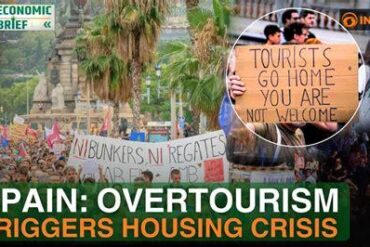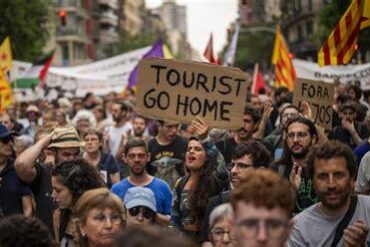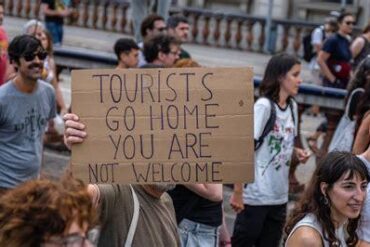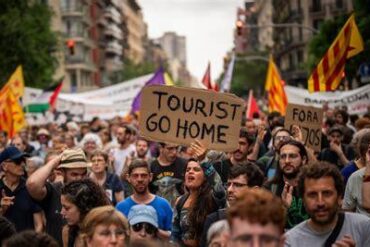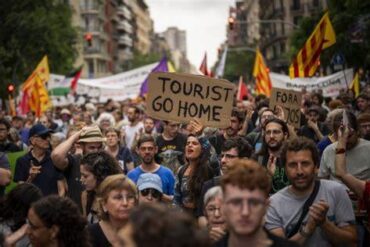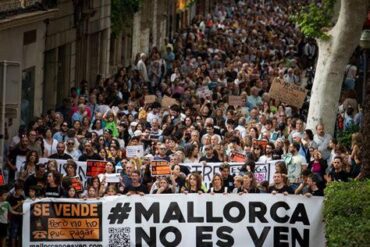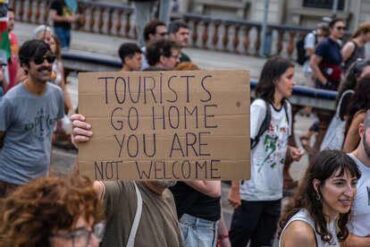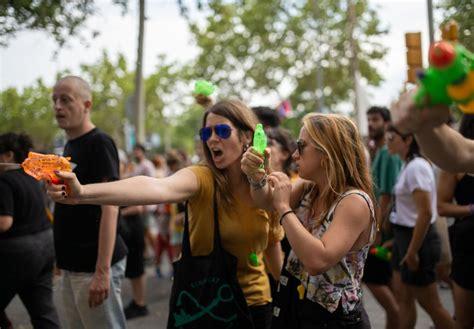
In the heart of Europe’s most iconic tourist destinations, locals are growing increasingly frustrated with the impact of overtourism. In 2025, a series of high-profile protests in Barcelona, Mallorca, and beyond highlighted the tension between the booming tourism industry and the struggles of residents who are being priced out of their own neighborhoods. This growing movement, marked by creative protest tactics, is making waves in the tourism world as activists demand a reevaluation of economic models that prioritize tourism over housing, culture, and community. The use of water guns as a form of protest—spraying tourists and symbols of the tourism industry—has captured global attention, putting the issues of housing crises and local authenticity front and center. These protests are not just about a few annoyed residents; they reflect a broader discontent that has been building for years.
With millions of visitors flocking to Spain each year, cities like Barcelona and islands like Mallorca are grappling with the negative side effects of mass tourism. Housing costs soar as more apartments are diverted to short-term rentals, traditional businesses are replaced by tourist-oriented shops, and the identity of these cities is being eroded. As activists push back against the overwhelming influence of tourism, they are also making a powerful case for the preservation of local communities and their right to a dignified living. This feature delves into the protests, the factors behind them, and what it means for the future of tourism in southern Europe.
The Spark of Discontent: Overtourism in Barcelona and Mallorca
Tourism in Spain has long been a pillar of the economy, attracting millions of visitors each year. Yet, the influx of tourists has begun to outstrip the capacity of cities to accommodate both visitors and residents. As cities like Barcelona, Mallorca, and Venice become overcrowded with travelers, the pressures on local housing markets have reached a tipping point. In Barcelona, where tourism is responsible for a significant portion of the local economy, the situation has reached a crisis point. Rent prices in popular areas have surged by more than 30%, making it increasingly difficult for locals to find affordable housing. Traditional shops and cafes are being replaced by tourist-oriented businesses, leaving the character of the city slowly fading under the weight of tourist-driven economic models.
Mallorca, a beloved Mediterranean island, has seen similar trends. The once quiet Balearic island is now teeming with British and German tourists, driving up property prices and crowding out the local population. As more homes are converted into short-term vacation rentals, residents find themselves pushed to the outskirts of their own neighborhoods.
The Water Gun Protests: Creative Rebellion Against Overtourism
The protests began in Barcelona in 2024, when a group of local activists decided to use water guns to express their frustration with the dominance of tourists in their city. This novel form of protest quickly gained traction, spreading to other cities like Granada, Ibiza, and San Sebastián, as well as to the island of Mallorca. Protesters, armed with squirt guns, marched through the streets, spraying unsuspecting tourists while chanting slogans like, “Everywhere you look, all you see are tourists.” The water guns became a playful yet poignant symbol of rebellion against the forces they believed were eroding their communities.
In addition to water guns, protesters targeted properties listed on Airbnb and other short-term rental platforms. They plastered signs with messages like “Your Airbnb was my home” on the doors of tourist accommodations, voicing their dissatisfaction with the way short-term rental platforms have exacerbated the housing crisis.
Overtourism’s Impact on Local Housing and Culture
As tourism increases, so does the pressure on housing markets. Short-term rentals have taken a significant portion of residential properties off the market, making it difficult for locals to find long-term housing. This has led to a series of problems:
Soaring Rent Prices
In cities like Barcelona, rental prices have skyrocketed, driven by the demand for short-term vacation homes. Locals are being forced out of neighborhoods they have called home for years, unable to compete with tourists who can pay premium rates.
Erosion of Local Identity
As traditional shops and restaurants are replaced by businesses catering to tourists, the unique character of these cities begins to fade. Barcelona, once a vibrant, multi-cultural hub, is becoming increasingly commercialized, with stores selling overpriced souvenirs and cheap fast food replacing long-standing local establishments.
Cultural Homogenization
Overtourism also contributes to the homogenization of local cultures. In places like Mallorca, once-known for its distinct traditions and local lifestyle, the dominance of mass tourism threatens to erase the very essence of the island’s identity.
Environmental Strain
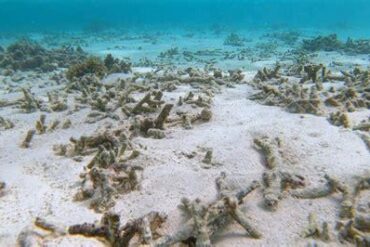
The influx of visitors also puts significant strain on local infrastructure and natural resources. From waste management to water shortages, the environmental impact of tourism is becoming a growing concern for residents.
Government and Industry Response to Overtourism
Local authorities and governments are beginning to recognize the social and economic costs of overtourism. In Barcelona, for example, the municipal government announced the elimination of all short-term rental licenses by 2028. This move, aimed at rebalancing the housing market, stunned the tourism industry, particularly platforms like Airbnb, which have been seen as a driving force behind the proliferation of short-term rentals.
Airbnb has faced increasing criticism in Spain for its role in the housing crisis. The company has been forced to remove thousands of listings that violated local regulations. However, critics argue that such measures are insufficient to address the broader problem of mass tourism. In response to growing public concern, the Spanish government has stepped in, enacting measures to protect local housing markets and curb the effects of overtourism. These include regulating short-term rentals, increasing taxes on tourist accommodations, and pushing for more sustainable tourism practices.
The Future of Overtourism in Spain: Balancing Local Needs with Economic Realities
As the debate over overtourism continues to unfold, Spain and other Southern European countries are at a crossroads. The challenge lies in finding a balance between economic growth driven by tourism and the preservation of local communities, cultures, and housing markets. While tourism undeniably contributes significantly to the economy, there is a growing recognition that sustainability must be prioritized.
What Needs to Change?
Sustainable Tourism Practices
Governments and tourism operators must prioritize sustainable tourism practices that minimize the impact on local communities and the environment. This includes promoting off-season travel, supporting local businesses, and encouraging responsible tourism behavior.
Regulation of Short-Term Rentals
Stronger regulations around short-term rental platforms like Airbnb are essential to ensure that they do not further contribute to housing shortages. Clear rules that protect both tourists and locals are needed to avoid the displacement of residents.
Community Involvement
Local communities should have a more prominent role in shaping tourism policies that affect their neighborhoods. Involving residents in the decision-making process ensures that tourism benefits both visitors and the local population.
Alternative Destinations
To alleviate pressure on overvisited cities like Barcelona and Mallorca, tourists can be encouraged to explore lesser-known destinations. Promoting rural tourism and regions less dependent on international travelers can help distribute the benefits of tourism more evenly.
Conclusion
The protests in Spain are just the beginning of a broader conversation about the future of tourism. As activists challenge the status quo, they are forcing both governments and the industry to confront the negative consequences of mass tourism. In places like Barcelona and Mallorca, the fight for housing rights and local identity is gaining momentum, and it remains to be seen how tourism will adapt to these pressing concerns. In the meantime, the water gun protests serve as a reminder that tourism must evolve to meet the needs of both residents and visitors. Balancing economic development with the well-being of local communities is not only crucial for preserving cultural heritage but also for ensuring that future generations can enjoy these iconic destinations without sacrificing their way of life.