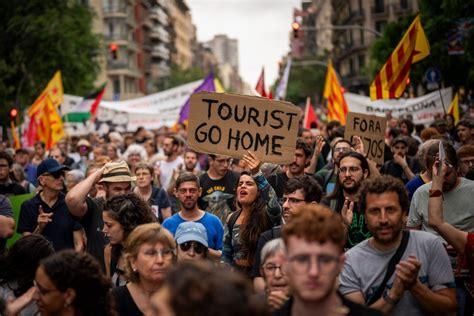
Spain’s battle with overtourism and soaring housing costs reached a critical juncture on June 19, 2025, when a Spanish court upheld a government order demanding the removal of nearly 66,000 non-compliant Airbnb listings. This decision, driven by widespread violations of local housing laws, represents a dramatic tightening of regulations on short-term rentals and signals a growing resistance across Europe to platforms accused of exacerbating urban housing crises.
The Court’s Decision: Airbnb Faces a Legal Setback
In the heart of this legal showdown is the Spanish Consumer Rights Ministry, which identified over 65,935 listings on Airbnb that lacked the legally required license numbers or contained inaccuracies compared to official housing records. These weren’t marginal infractions. Thousands of listings were found to blatantly defy regional housing statutes designed to preserve long-term rental availability and urban sustainability.
The Court of Madrid backed the ministry’s findings, rejecting Airbnb’s appeal in a move that not only affirmed government authority but also placed intense pressure on digital rental platforms to comply. Of the flagged listings, 5,800 properties were ordered for immediate removal, a figure that underscores the scale of the issue and the urgency felt by Spanish authorities.
This case didn’t emerge in isolation. It’s part of a sweeping initiative led by the Spanish government to rebalance housing access amid the disruptive rise of short-term rentals. With cities like Barcelona, Madrid, and Valencia becoming hotspots for tourists—and increasingly unaffordable for locals—the ruling shines a spotlight on how governments are attempting to preserve community stability while continuing to welcome visitors.
Why Is Spain Cracking Down? Housing Affordability Meets Tourism Overload
The Spanish court ruling reflects a deeper and more urgent reality. Over the past decade, Spain’s most visited cities have been transformed by tourism. What were once residential neighborhoods now feature a revolving door of short-term tenants, with rental apartments often prioritizing transient profits over permanent homes.
The result? Escalating rents, plummeting housing availability, and a growing chorus of frustration from Spanish citizens. In cities like Barcelona’s Gothic Quarter or Madrid’s Lavapiés, the sight of locals being priced out of their own communities has become alarmingly common.
At the center of this debate is Pablo Bustinduy, Spain’s Minister of Consumer Rights, who has been a vocal advocate for robust regulation. Bustinduy argues that unchecked tourism erodes not only housing stability but also social cohesion. In his words, “Tourism must not come at the cost of fundamental rights like affordable housing.“
The government’s multifaceted response includes:
- Enforcing strict licensing rules for short-term rentals.
- Implementing daily rental caps in urban centers.
- Imposing heavy fines for illegal listings and non-compliance.
These efforts aim to create a more balanced environment—one where locals can live without displacement while tourists continue to enjoy the country’s cultural treasures.
Airbnb’s Defense: A Platform Under Siege
Airbnb’s reaction to the ruling was predictably defiant. The company maintains that it is not the root cause of Spain’s housing crunch. Instead, it points to chronic underdevelopment in housing supply and outdated zoning regulations as the real culprits.

In its official statement, Airbnb emphasized that the responsibility for legal compliance falls on individual hosts, not the platform itself. It warns that blanket regulations risk harming everyday Spaniards who rely on rental income to support themselves.
The company’s arguments include:
- Most hosts are private individuals, not real estate corporations.
- The crackdown could hurt Spain’s tourism economy, especially after pandemic-era losses.
- Regulation should be nuanced and collaborative, not punitive.
Yet despite Airbnb’s protests, the Spanish government has made it clear that meaningful change requires enforceable oversight, not self-regulation.
Spain’s Economy Minister Carlos Cuerpo further emphasized this by stating that the time had come to directly address the “negative externalities” of short-term tourism—especially the distortion it causes in urban housing markets.
What This Means for Travelers Planning a Spanish Getaway
For tourists, the immediate impact is a shrinking pool of Airbnb listings in major cities. Travelers planning visits to Barcelona, Madrid, or Valencia may find fewer short-term rental options and should anticipate increased scrutiny on booking platforms.
It’s now essential for travelers to verify the licensing status of any property they intend to book. A missing or invalid registration number could mean the property is subject to removal, possibly disrupting vacation plans at the last minute.
Other important considerations include:
- Higher Accommodation Costs: With a reduced supply of short-term rentals, prices for legal properties and hotel rooms may rise.
- Shifting Preferences: Tourists may increasingly turn to boutique hotels, regulated guesthouses, and hostels, especially those located outside the main urban centers.
- Stricter Booking Protocols: Platforms like Airbnb may soon require hosts to display more detailed licensing and compliance information to remain online.
While these changes may initially seem inconvenient, they represent a move toward more sustainable tourism—one that benefits both visitors and the communities they explore.
A Broader European Trend: The Decline of Unregulated Rentals
Spain’s crackdown is not a regional outlier—it’s part of a continental shift. Cities across Europe, from Amsterdam to Lisbon, are enacting laws that restrict short-term rentals. The aim is consistent: to reclaim urban housing markets and ensure local residents are not displaced by tourism-driven profiteering.
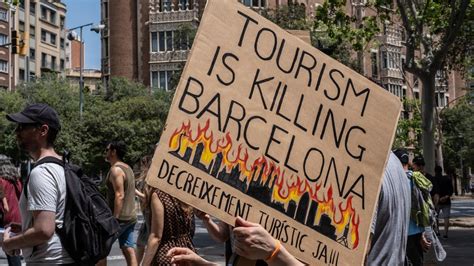
In many of these places, the sheer number of visitors has overwhelmed city services, strained infrastructure, and eroded the authenticity of historic neighborhoods. Local governments are increasingly empowered to demand compliance, supported by legal precedent and public sentiment.
For Airbnb, the road ahead will likely require:
- Transparent partnerships with municipal authorities.
- Tools to help hosts achieve and display legal compliance.
- Adjusted fee structures that reflect local taxes and tourist levies.
As more countries embrace regulation, the days of the “Wild West” short-term rental economy appear to be numbered.
Conclusion: A New Era for Tourism in Spain
Spain’s court ruling represents more than a legal defeat for Airbnb—it’s a declaration that local housing needs take precedence over unregulated tourist accommodations. In cities struggling with affordability and overdevelopment, this decision may offer a blueprint for sustainable tourism governance.
For travelers, the changes may introduce new logistical challenges, but they also open the door to more responsible and community-focused travel. By embracing alternatives and staying informed, tourists can continue to enjoy Spain’s rich cultural landscape—without contributing to the problems that threaten it.
Whether you’re exploring the historic streets of Seville, relaxing on the beaches of San Sebastián, or savoring tapas in Granada, your choice of accommodation now plays a small but meaningful role in shaping the future of Spanish cities.

As governments, platforms, and travelers all adjust to this new reality, one thing is clear: the era of unchecked short-term rentals in Spain is ending, and a more equitable, regulated, and livable tourism economy is just beginning.