In a significant legal development, a Spanish court has intervened in the ongoing dispute between budget airlines and the government regarding controversial baggage charges. This decision comes in response to a government-imposed fine aimed at major low-cost carriers, including Ryanair and Norwegian Air, which was deemed to infringe upon passenger rights. The court’s ruling temporarily blocks the enforcement of these fines, allowing the airlines to maintain their existing baggage policies while the appeal process unfolds.
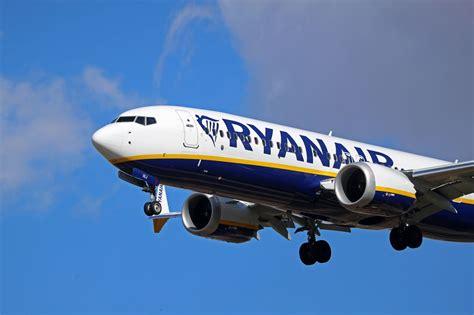
The backdrop to this legal battle began when Spain’s consumer ministry imposed a staggering fine of 109.6 million euros (approximately $128.40 million) against Ryanair and Norwegian Air. The ministry argued that the charges for larger cabin bags violated consumer protections. However, the airlines contested this assertion, labeling the penalties as unjustified and excessive. In response to the fine, Ryanair, recognized as Europe’s largest airline by passenger numbers, declared its intention to challenge the matter in Spain’s courts.
The administrative court in Madrid, acknowledging the complexity of the case, ruled that enforcing the fine would lead to severe financial strain on the airlines involved. As a result, the court granted an injunction, effectively allowing Ryanair and Norwegian Air to continue charging for larger carry-on bags and maintaining their ancillary fees until a final resolution is reached. This intervention marks an early legal victory for the airlines amidst an ongoing clash with the Spanish government over baggage charges.
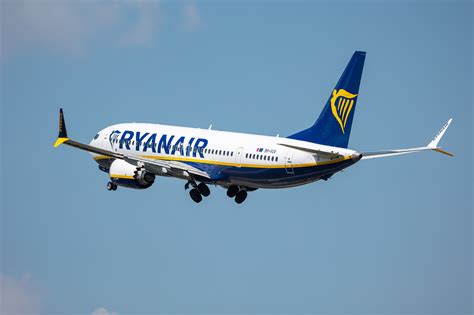
This ruling has been met with approval from the airline industry group ALA, which argues that the fines imposed by the Spanish government lack a solid foundation. ALA contends that such penalties not only restrict customer choice but also distort the European Union’s common market. Their stance reflects a broader concern within the aviation industry regarding the implications of government regulations on budget carriers, which often operate on thin profit margins.
The fines levied by the Spanish consumer rights ministry form part of a larger framework of penalties totaling 179 million euros that affected various airlines, including IAG’s budget carrier Vueling, easyJet, and Volotea. The ministry’s rationale behind these penalties centered on claims that these airlines were infringing upon consumer rights through practices such as:
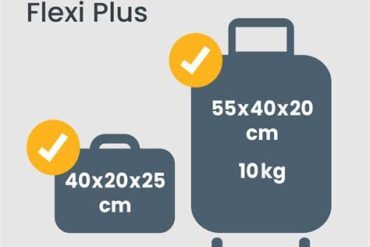
- Charging for larger carry-on luggage
- Imposing fees for seat selections
- Charging for printed boarding passes
- Refusing to accept cash payments at check-in desks or onboard purchases
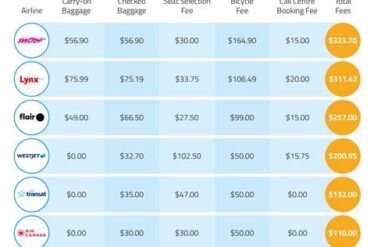
These practices have sparked widespread debate about the fairness and transparency of airline pricing strategies. While the airlines argue that these ancillary charges are necessary to keep ticket prices low and allow passengers to customize their travel experience, consumer rights advocates and regulatory bodies have raised concerns about the potential for excessive and misleading fees. Many passengers find themselves frustrated when confronted with additional charges that were not clearly communicated prior to booking.
As the situation unfolds, the implications of the court’s ruling extend beyond just Ryanair and Norwegian Air. ALA hopes that this judicial decision will set a precedent, benefiting all airlines impacted by similar fines. The court’s stance may encourage a reevaluation of how ancillary charges are regulated across the European aviation sector, fostering a more balanced approach that respects both consumer rights and the operational realities of budget airlines.
The ongoing tensions between regulatory authorities and airlines underscore the high stakes involved for both parties. For travelers, the availability of affordable airfares is paramount, and any restrictions on low-cost carriers could limit options and drive up prices. Conversely, airlines assert that without the ability to charge for additional services, they cannot sustain the competitive fares that attract millions of passengers each year.
As the legal proceedings continue, all eyes will be on the Spanish court’s final ruling. This decision will ultimately determine whether the baggage charges imposed by airlines are deemed fair or whether they infringe upon consumer rights. The outcome of this case could herald a new era in the airline industry, reshaping the landscape of ancillary charges and the relationship between airlines and passengers.
In conclusion, the court’s decision to block the enforcement of fines against Ryanair, Norwegian Air, and other airlines reflects a pivotal moment in the ongoing dialogue surrounding ancillary fees within the airline industry. As the appeal process unfolds, the court’s eventual ruling will likely resonate throughout Europe, influencing regulatory frameworks and impacting the future of budget airlines and their pricing strategies. The tension between affordability and consumer protection continues to be a contentious battleground, with the implications of this case poised to affect countless travelers and the very structure of the airline market.