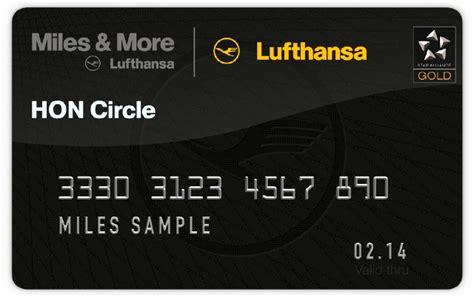
The events surrounding a recent Lufthansa HON Circle passenger have unfolded into one of the most astonishing aviation legal stories of the year. A seemingly harmless conversation onboard a Lufthansa flight triggered a chain of consequences the airline did not anticipate. What began as a €414 demand over a skipped flight segment ended with a federal court ruling that forced Lufthansa to rewrite parts of its own contract of carriage — a rare and very public self-inflicted wound by the German flag carrier.
The incident started in April 2025 when a top-tier frequent flyer booked travel from Greece to Saudi Arabia via Germany. Mid-trip, while he was still abroad, a family member in Germany fell ill. He quickly re-routed himself from Riyadh to Frankfurt and chose to fly to Düsseldorf — where the family member was located — on a separate booking rather than continuing on to Athens as originally ticketed. During the long-haul flight, a flight attendant reportedly recognized his elite status and engaged him in friendly conversation. He casually explained that his plans had changed due to a family emergency.
According to the passenger’s lawyer, the flight attendant reacted with visible surprise and then reported the interaction to Lufthansa’s revenue integrity department, claiming the traveler had openly acknowledged bypassing fare rules. The airline then issued a demand letter insisting he owed €414, arguing that the routing he flew would have cost €965 versus the €551 fare he originally paid.
What happened next pushed the case into national legal significance. The passenger enlisted a German attorney and initiated a declaratory judgment action. Lufthansa responded by naming the flight attendant as a witness and alleging that the traveler knowingly exploited fare construction rules. The airline referenced outdated case law, insisting that the skipped segment violated contract terms. The hearing was scheduled for November 24, 2025.
In a last-minute twist, Lufthansa abruptly withdrew its claims four days before the court date. But the Bundesgerichtshof, Germany’s Federal Court of Justice, chose to rule on the matter anyway — and the airline likely wishes it hadn’t. Judges issued decisive findings: passengers cannot be penalized for missing a flight segment when their circumstances change after booking. Only premeditated misuse at the time of purchase could justify enforcement.
The ruling stated that imposing payments on passengers whose plans shift due to new information is not aligned with legitimate business interests. It also emphasized that airlines already protect their pricing models sufficiently by selling each segment at set fares — and that unexpected life events do not threaten this system.
Lufthansa was forced to quietly update its contract of carriage, inserting a new clause under Section 3.3.4. applicable to residents of Germany and Austria. The new language explicitly states that passengers will not face fare recalculations if unforeseen circumstances — illness, force majeure or other reasons beyond their control — lead to missed segments. The update marks a significant shift for the carrier, long known for strict enforcement of sequential-ticketing rules.
The ruling also raises a practical question the airline must now grapple with: how does it prove a passenger intended to practice throwaway ticketing when they booked the fare? Intent, after all, lives only in the traveler’s mind. Life changes, emergencies occur, and plans often evolve.
The irony is impossible to ignore. A flight attendant’s attempt to enforce strict compliance triggered a legal precedent that restricts Lufthansa’s ability to punish skipped segments, loosening the very rules the crew member sought to uphold.
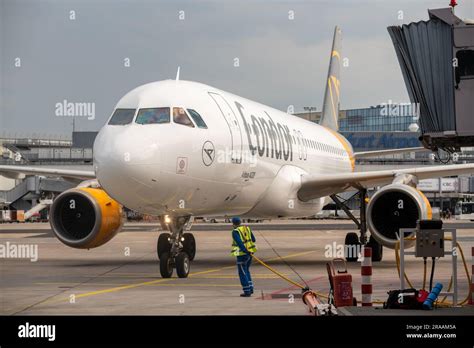
This case underscores how aggressive fare-rule enforcement can backfire — especially when aimed at the airline’s most loyal customers. For years, travelers have joked about getting “Bonvoyed” when loyalty programs behave unpredictably. Aviation observers now suggest a new phrase for airline missteps: getting Allegrised.
The episode stands as a reminder that even the world’s most established carriers can become victims of their own overreach. And in this case, a €414 dispute cost Lufthansa far more than money — it reshaped its policy, its legal footing and its public image.
FAQs
Why did Lufthansa demand €414 from the passenger?
Lufthansa argued that the traveler skipped a segment, making the flown itinerary more expensive than the original ticket. The airline sought to recover the difference, claiming a violation of fare rules.
What did the German Federal Court decide?
The court ruled that passengers cannot be penalized for skipped segments when the decision occurs after booking due to new, unforeseen circumstances.
How did Lufthansa respond after losing the case?
Lufthansa updated its contract of carriage to reflect the ruling, adding a clause exempting passengers from penalties when plans change for reasons beyond their control.