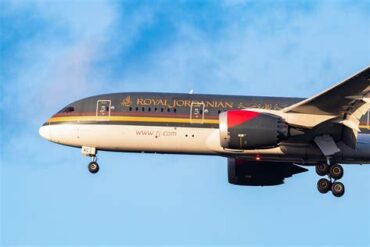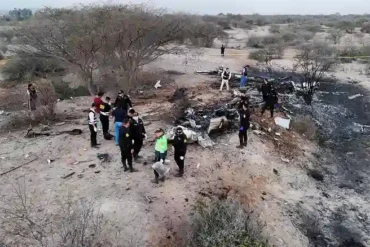
A Royal Jordanian crew member has died and several flight attendants were injured after a bus transporting the airline’s crew from New York John F. Kennedy International Airport (JFK) to their layover hotel was involved in a devastating crash in Queens, New York. The tragedy unfolded after the crew had successfully completed a nearly 11-hour transatlantic flight from Amman, transforming what should have been the final routine segment of their duty into a fatal accident that has drawn attention to the often-overlooked safety risks airline crews face after landing.
Royal Jordanian confirmed that 15 crew members were aboard the contracted transportation vehicle when the collision occurred during the late evening of June 30. According to the airline, one crew member lost their life while the remaining injured personnel were transported to local hospitals, where they were reported to be in stable condition and receiving medical treatment. The airline expressed profound condolences to the family of the deceased while pledging continued support for every affected employee.
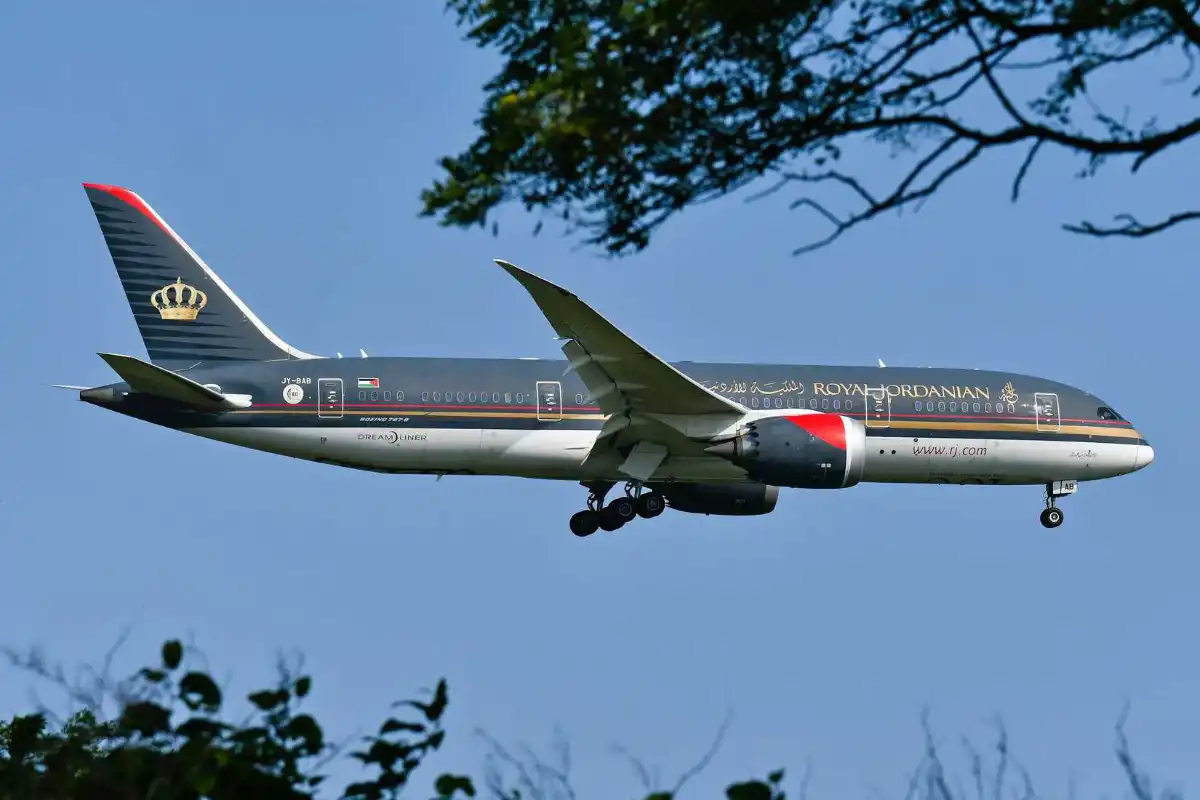
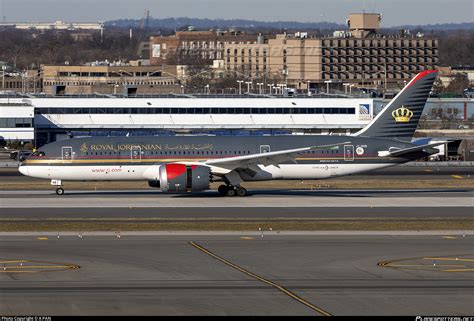
The accident involved the operating crew of Flight RJ261, one of Royal Jordanian’s daily nonstop services linking Queen Alia International Airport in Amman with New York JFK. Flight tracking data indicates the Boeing 787 completed its scheduled Atlantic crossing and landed shortly after 4:00 p.m. local time, with the crash occurring several hours later while the crew was traveling to overnight accommodations.
Fatal Multi-Vehicle Crash Shuts Down Long Island Expressway
Local authorities described the incident as a serious multi-vehicle collision on the Long Island Expressway near Greenpoint Avenue in Queens. Initial reports indicate the crew bus struck another vehicle before crossing the central median, overturning and colliding with additional traffic traveling in the opposite direction. The violent sequence of impacts left extensive damage across multiple lanes and prompted a large emergency response involving firefighters, police officers, and medical personnel.
Authorities confirmed that the wider collision resulted in two fatalities, including the driver of the bus, while more than two dozen individuals suffered injuries of varying severity. Emergency responders worked through the night extracting victims from damaged vehicles before transporting them to several area hospitals for evaluation and treatment.
Royal Jordanian has not publicly identified the deceased crew member, citing respect for the family while authorities complete formal notification procedures. The airline stated it remains in close contact with local officials and healthcare providers while monitoring the recovery of the injured employees.
Royal Jordanian Responds to the Tragedy
In its official statement, Royal Jordanian expressed deep sorrow over the devastating accident, describing the event as a heartbreaking loss for the airline and its employees. The carrier extended condolences to the family of the deceased crew member and wished those hospitalized a swift recovery.
The airline also confirmed it is coordinating closely with relevant authorities in the United States while providing assistance to affected crew members and their families. Such support typically includes medical coordination, accommodation arrangements, counseling services, and travel assistance for relatives when necessary following serious overseas incidents.
Although the accident occurred after the flight had concluded, the incident remains closely connected to airline operations because crew transportation between airports and contracted hotels forms part of every international layover. Airlines routinely arrange these transfers to ensure crews receive mandatory rest before operating subsequent flights.
New York Remains a Cornerstone of Royal Jordanian’s North American Network
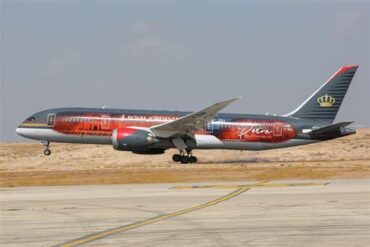
The tragedy affected one of Royal Jordanian’s most significant long-haul routes. New York JFK has served as the airline’s flagship North American gateway for decades and continues to operate daily using the carrier’s modern Boeing 787 Dreamliner fleet, including both the 787-8 and the recently introduced 787-9.
Royal Jordanian first entered the North American market in 1977, when the airline operated under the name Alia. At that time, flights connected Amman and New York via Amsterdam Schiphol Airport using the Boeing 747-200, marking the beginning of the airline’s long-haul expansion beyond the Middle East.
Over nearly five decades, the carrier has transformed its North American presence into a network spanning seven destinations, supported entirely by its fuel-efficient Dreamliner fleet. Besides New York, Royal Jordanian now serves Chicago O’Hare, Detroit, Montréal, Toronto, Washington Dulles, and, most recently, Dallas/Fort Worth, where passengers gain extensive onward connectivity through oneworld alliance partner American Airlines.
The expansion accelerated following the global pandemic, with several Canadian and U.S. routes either restored or launched beginning in 2022. Washington Dulles joined the network in 2025, followed by the introduction of nonstop Dallas service in 2026, further strengthening connections between Jordan and North America.
Investigation Continues Into the Cause of the Crash
Investigators continue examining what caused the deadly collision. The National Transportation Safety Board (NTSB) is working alongside the New York Police Department (NYPD) to reconstruct the events leading to the crash and determine whether mechanical issues, road conditions, driver actions, or other contributing factors played a role.
Local television station ABC7 New York reported that the deceased bus driver had a criminal history and several previous moving violations while maintaining a valid driver’s license. However, investigators have emphasized that these background details alone do not establish responsibility for the crash. Determining the precise sequence of events will require a comprehensive review of physical evidence, witness statements, vehicle data, roadway conditions, and forensic analysis.
Transportation safety investigations often take months before final conclusions are released, particularly in complex multi-vehicle crashes involving fatalities and commercial transportation providers.
Crew Safety Extends Beyond the Aircraft
While commercial aviation remains among the safest forms of transportation, this tragedy highlights a critical reality frequently overlooked outside the industry: airline crews continue facing risks even after an aircraft has safely reached its destination.
Flight attendants and pilots routinely spend nights in unfamiliar cities, relying on contracted transportation providers, hotels, and local service partners arranged by their employers. Although airlines carefully evaluate vendors and establish safety standards, crews ultimately remain dependent on transportation systems and road users over whom they have little direct control.
The Royal Jordanian accident serves as a reminder that an international duty period does not conclude when passengers leave the aircraft. Crew members still must travel to accommodations, obtain adequate rest, and safely return to the airport before operating future flights.
Previous aviation-related tragedies have demonstrated that dangers during layovers can arise from circumstances entirely unrelated to flying. Whether caused by criminal acts, civil unrest, or roadway accidents, these incidents reinforce the importance of comprehensive crew protection extending throughout every stage of an assignment.
As authorities continue their investigation into the Queens bus crash, the focus remains on supporting the injured, providing answers to grieving families, and understanding exactly how a routine hotel transfer ended in tragedy. For Royal Jordanian, the devastating loss is a painful reminder that safeguarding employees requires vigilance not only in the skies but throughout every moment of international operations, including the journey between the airport and the hotel at the end of a long-haul flight.