Canada’s airline pricing rules are heading for their most serious test in years as the Supreme Court of Canada agrees to hear Air Canada’s appeal over alleged misleading ticket prices. The case cuts straight to a frustration travelers know too well: clicking on an attractively low fare, only to watch mandatory fees and taxes appear later like uninvited guests at dinner. At stake is not just one airline’s balance sheet, but how transparently flights are priced across the country.
The dispute traces back more than a decade, when a Montreal-based consumer advocacy group challenged how Air Canada displayed fares online. The claim was simple but potent: advertised prices did not include all compulsory charges upfront, preventing customers from seeing the true cost of travel at the moment of comparison. That practice, the plaintiffs argued, violated Quebec’s Consumer Protection Act, which demands clear and accurate price disclosure.
Initially, a trial court agreed that the law had been breached but stopped short of awarding damages, concluding that passengers had not suffered measurable financial loss. That reasoning did not survive appeal. In April 2025, the Quebec Court of Appeal reversed course, ruling that the harm lay not in cents lost, but in distorted consumer choice. It ordered Air Canada to pay more than CA$10 million in punitive damages, with distribution details still to be determined.
The Supreme Court’s decision to hear the appeal elevates the case from a provincial dispute to a national reckoning. It signals that fare transparency, long treated as an irritant, has matured into a core question of consumer rights in aviation.
Supreme Court Reopens the Debate on Fare Transparency
At the heart of the appeal is whether showing a base fare without mandatory add-ons amounts to consumer harm, even when the final price is eventually revealed before purchase. Air Canada maintains that customers were not overcharged and that no concrete losses were proven. The Quebec Court of Appeal disagreed, finding that misleading price presentation itself is a form of harm under consumer law.
The appellate court’s language was unusually sharp. Justice Judith Harvie emphasized that prioritizing commercial interests over clarity showed a serious disregard for consumers, justifying punitive damages. That framing matters. Punitive awards are meant to denounce behavior, not compensate loss, and their use here suggests the court viewed the pricing practice as more than a technical slip.
Why “Drip Pricing” Matters to Travelers
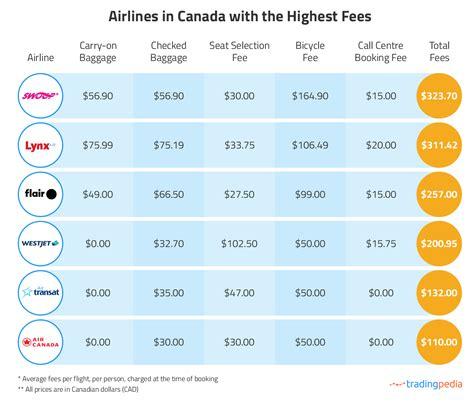
The lawsuit places a spotlight on drip pricing, a strategy where unavoidable fees appear gradually during checkout. While common in air travel, it undermines meaningful comparison shopping. A traveler scanning multiple routes may choose a flight based on an artificially low headline price, only to discover later that it is no bargain at all.
Consumer advocates argue that this approach exploits human psychology. People anchor on the first number they see, adjusting insufficiently as new charges appear. By the time the full price is visible, time and effort have already been invested, nudging customers toward completing the purchase.
The Quebec Court of Appeal accepted this logic, recognizing informational harm even without proof of individual financial loss. That recognition could reshape how courts assess damage in consumer class actions, particularly in regulated industries where pricing structures are complex by design.
National Implications Beyond One Airline
Although the case centers on Air Canada, its implications stretch far beyond a single carrier. If the Supreme Court upholds the ruling, airlines operating in Canada may need to rethink how fares are advertised nationwide. Clear, all-in pricing could become not just best practice, but a legal expectation.
The appeal also probes the boundary between federal aviation regulation and provincial consumer protection laws. Airlines fall under federal jurisdiction, yet provinces like Quebec enforce strict advertising standards. A Supreme Court ruling could clarify how these overlapping authorities coexist, potentially empowering provinces to police airline pricing more aggressively.
A Broader Pattern of Airline Accountability
This lawsuit does not exist in isolation. Canadian airlines have faced growing scrutiny over passenger rights, from flight delay compensation to refund obligations. Courts and regulators are increasingly willing to challenge industry norms that once went largely unquestioned.
What makes the Air Canada case distinctive is its focus on how prices are presented, not whether flights were delivered as promised. It reframes transparency as a foundational right, essential to fair competition and informed choice. For travelers, that shift is subtle but powerful. It suggests that clarity itself has value, even before money changes hands.
What Travelers Should Watch Next
The Supreme Court has not yet set a hearing date, but its eventual ruling will echo through booking engines and advertising campaigns across Canada. A decision affirming stronger disclosure standards could mean fewer surprises at checkout and more honest competition on price. A ruling favoring Air Canada, by contrast, might reinforce the status quo, leaving transparency largely to voluntary compliance.
Either way, the case has already changed the conversation. Hidden fees are no longer just a nuisance; they are a legal liability. For travelers weary of watching fares inflate mid-booking, that alone is a meaningful step forward.