As the summer travel season ramps up, millions of Americans are making flight arrangements and locking in airfare. But for solo travelers, an unsettling trend has surfaced — American Airlines is charging individual passengers up to 70% more than those traveling in groups. This discrepancy, which has gone largely unpublicized, was brought to light by respected travel site The Thrifty Traveler, and it raises serious concerns about airfare pricing transparency.
The issue became apparent during routine fare checks when The Thrifty Traveler team noticed something odd: the total cost of two tickets was lower per passenger than the price of a single ticket for the same flight. In some cases, Basic Economy fares weren’t even available to solo passengers, but instantly reappeared when two or more tickets were requested.
Solo Travelers Penalized: A Look Into the Numbers
To illustrate the disparity, The Thrifty Traveler compared fares on an American Airlines flight from Chicago O’Hare (ORD) to Peoria (PIA). A solo traveler booking this one-way ticket was shown a price of $309.48. Yet, when the number of travelers increased to three, the per-person rate dropped to $151. A similar dip was observed when the number of passengers increased to four, with the fare sinking to $181 — a savings of over $120 per person.
This practice isn’t isolated to obscure routes either. The discrepancy was also noted on other itineraries, although inconsistently. For instance, flights from O’Hare to Atlanta on the same day showed no price differentiation between solo and group bookings when comparing American Airlines and Frontier.
The Widespread Nature of Price Gating
While United Airlines and Delta Airlines have since publicly committed to ending this pricing model, American Airlines has made no such pledge. That silence has deepened the concerns among travel industry watchers, who believe this tactic may be more pervasive than originally thought. The findings suggest that solo travelers are being systematically denied access to lower-tier fares, likely as a result of opaque inventory systems or deliberate segmentation algorithms.
According to the analysis, the practice is not present on every route, but it’s “real and undeniable.” It’s also unpredictable, making it especially difficult for solo travelers to guard against. Depending on the route, day, and time of the search, a solo flyer could pay up to 70% more for the exact same seat that a group booking would secure for significantly less.
Behavioral Economics and Corporate Strategy
Experts in the travel and airline sectors suggest that this may be a calculated use of behavioral pricing strategy. In corporate terms, this approach is part of an effort to segment customers by purpose and urgency. A solo traveler is statistically more likely to be a business flyer — less sensitive to price fluctuations, and more focused on schedule flexibility and convenience. In contrast, families or groups booking together are often more price-conscious and motivated to complete the purchase only when a significant value is evident.
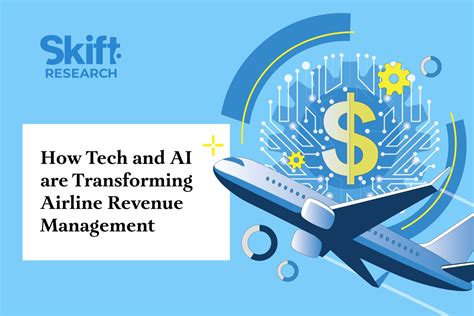
By suppressing cheaper ticket classes for solo travelers, airlines may be optimizing for higher yield per seat. It is also possible that automated pricing systems, often driven by AI and machine learning, are inadvertently enforcing these discrepancies as a result of revenue management rules that favor seat clusters over isolated bookings.
Opaque Inventory Systems and the Mystery of Basic Economy
One of the most confounding elements of this story is the inconsistent visibility of Basic Economy fares. In multiple cases across American Airlines’ booking system, these lower-tier tickets simply didn’t appear when a solo traveler initiated the search. But the moment additional passengers were added, Basic Economy options reappeared — at dramatically reduced rates.
This leads to two plausible explanations: either the system is configured to withhold certain fares for solo travelers, or it is designed to reward bulk purchases by unlocking previously hidden price tiers. In either case, the consumer is left unaware and disadvantaged unless they know to check fares using multiple passenger counts.
Why This Matters More Than You Think
The implications of this pricing structure go far beyond isolated ticket sales. For one, it raises questions of pricing fairness and transparency, two factors that have long plagued the airline industry. Regulators such as the U.S. Department of Transportation have previously investigated hidden fees and misleading baggage policies, but this new pricing disparity introduces a more subtle form of discrimination against solo travelers.
Moreover, the practice penalizes a significant portion of the traveling public. Many solo fliers are young professionals, students, military personnel, or retirees — groups that often have limited budgets. By forcing them to pay disproportionately more, airlines are effectively creating a two-tier system where single passengers are exploited to subsidize group discounts.
Lack of Accountability and Industry Silence
So far, none of the major carriers, including American Airlines, have provided clear statements addressing the issue. While United and Delta have indicated their intent to end the practice, they have not explained how the system worked in the first place or how it went undetected for so long.
American Airlines’ silence is especially troubling given their market dominance and frequent emphasis on customer-centric policies. Without regulatory oversight or public outcry, there’s little incentive for them to modify pricing algorithms that evidently boost profit margins at the expense of transparency.
What Can Solo Travelers Do?
If you’re planning a solo trip and want to avoid overpaying, there are a few strategic steps to take:
- Run searches with multiple passengers: Even if you’re traveling alone, check fares for two or three people to expose hidden lower prices.
- Use third-party fare aggregators: Tools like Google Flights, Skyscanner, and Momondo often display wider fare inventories than the airlines’ own websites.
- Clear cookies and use incognito mode: Some pricing discrepancies can stem from data profiling and session-based fare adjustments.
- Wait and monitor fluctuations: If the price appears suspiciously high, track it over several days or sign up for fare alerts.
The Bigger Picture: Algorithmic Bias in Modern Travel
This story highlights a growing problem in digital-era consumer markets: the role of opaque algorithms in pricing. Airlines aren’t just adjusting prices based on supply and demand; they’re increasingly relying on data-driven behavioral profiling to predict what each user is willing to pay. This raises larger ethical questions about algorithmic fairness, particularly when systems operate without human oversight or accountability.
While once touted as tools for efficiency, these systems can now perpetuate and amplify pricing discrimination — not unlike what has been criticized in insurance or lending industries. When corporations use AI to segment consumers without transparency, the result is not just profit optimization, but a potential erosion of trust.
Conclusion: A Call for Transparency and Reform
The revelation that American Airlines may be charging solo travelers up to 70% more than groups underscores a much deeper issue in the airline industry — one of pricing opacity and unchecked algorithmic practices. While other airlines have begun acknowledging the problem, American’s refusal to respond highlights the need for external scrutiny.
Travelers, especially those flying alone, deserve equal access to the same ticket classes and prices as groups. As this story gains attention, regulators and watchdog groups must push for greater transparency in fare pricing, and travelers should remain vigilant, using all available tools to avoid being taken advantage of by a system that, right now, appears rigged against them.