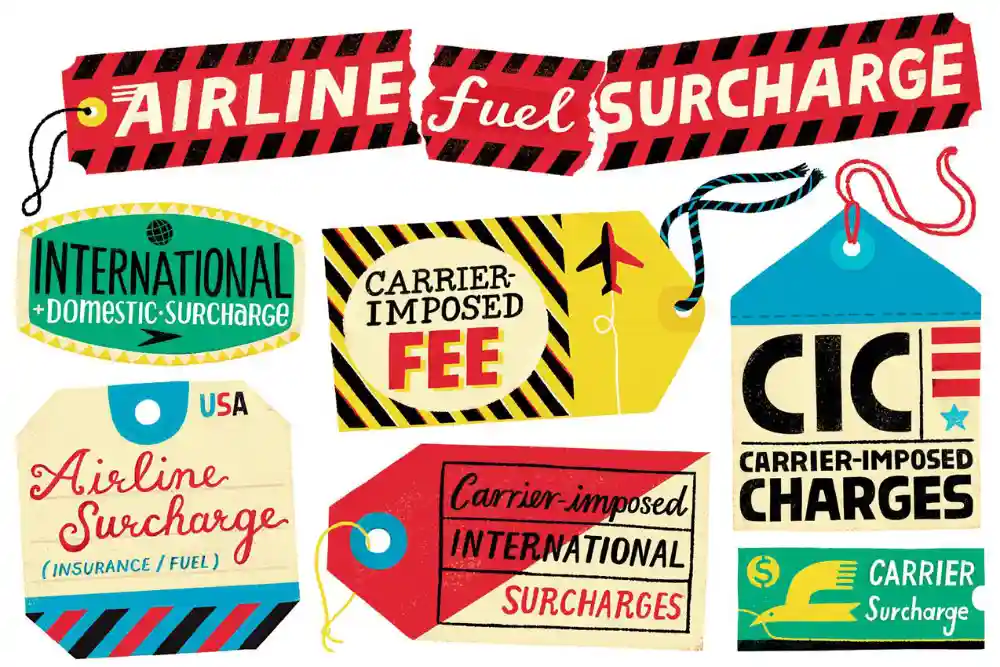
In the complex world of modern air travel, carrier-imposed charges—often referred to as airline fuel surcharges—represent a significant and sometimes shocking expense that can catch even experienced travelers off guard. These fees, which are generally levied on top of the mileage cost of a so-called “free” award ticket, have evolved into a lucrative revenue stream for airlines. What began decades ago as a temporary response to rising oil prices has since become a semi-permanent fixture in the fine print of many frequent flyer programs.
When purchasing a ticket with cash, fuel surcharges are typically hidden within the total advertised fare. This transparency is mandated by regulatory authorities in many countries to ensure fair pricing. However, when using miles or points for award travel, these surcharges often become visible add-ons, inflating the total cost of the trip and diminishing the value of your hard-earned rewards.
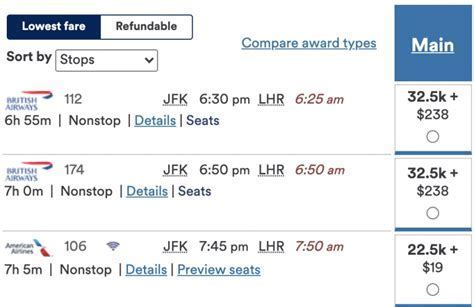
Let us consider a case in point: flying from New York to London using American Airlines AAdvantage miles to book a business class seat on British Airways. On paper, it appears to be a compelling deal—57,500 miles for a transatlantic flight. But travelers are often blindsided by an additional $700 or more in carrier-imposed surcharges for a one-way journey. This makes the redemption far less economical than it first appears.
The Origin of Carrier-Imposed Fees
The inception of fuel surcharges can be traced back to the early 2000s, a period marked by skyrocketing oil prices. Airlines, already under financial strain, introduced these charges as a stopgap measure to recoup rising operational costs. However, once the price of oil stabilized and even declined, these surcharges remained. Airlines had discovered a new, largely opaque way to enhance profitability without increasing base fares.
Over time, the terminology shifted from “fuel surcharge” to the more ambiguous “carrier-imposed surcharge”—a deliberate linguistic pivot that reflects their permanence and revenue-driven nature, rather than a true reflection of fluctuating fuel prices.
Why Airlines Continue to Use Them
The rationale for maintaining carrier-imposed charges is simple: they generate consistent revenue while allowing airlines to keep base fares low and competitive in search engine results. These fees function similarly to baggage charges or seat selection fees—they’re part of a broader strategy to unbundle airfare pricing, thereby creating the illusion of affordability while monetizing essential services.
In award travel, the business case for carrier-imposed fees becomes even stronger. Since the base ticket is being paid for with miles, airlines impose fees as a means of recovering cash value from frequent flyer redemptions. This practice enables them to earn real revenue on flights that would otherwise appear as non-revenue travel.
Which Airlines Charge Carrier-Imposed Fees?
The application of these surcharges varies widely among global carriers:
- United Airlines stands out as a consumer-friendly option. It does not impose fuel surcharges on its own flights or those of its Star Alliance partners, making it one of the best choices for international award travel.
- American Airlines itself generally avoids carrier-imposed fees on its own metal. However, redemptions on partners like British Airways and Iberia do incur significant surcharges.
- Delta Air Lines includes carrier-imposed fees on both its own and many of its partners’ flights. One exception: domestic travel, which remains surcharge-free.
- Air Canada’s Aeroplan program eliminated fuel surcharges in 2020, greatly enhancing the value of their points across various partners.
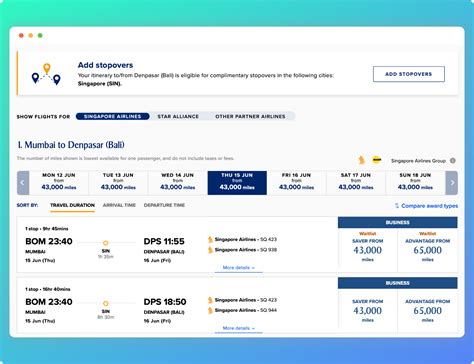
- Singapore Airlines and its KrisFlyer program avoid carrier-imposed charges on both their own flights and most partners, offering excellent value to savvy travelers.
How to Avoid Carrier-Imposed Charges
While the presence of fuel surcharges can be frustrating, travelers can often minimize or avoid these fees through strategic booking practices. First and foremost, awareness is key. When searching for award flights, always inspect the full cost breakdown, including taxes and fees. This often requires clicking through multiple booking pages or using advanced search tools.
Secondly, consider flexibility in both airline and route. For example, when using Alaska Airlines MileagePlan miles to fly from New York to London, flying on American Airlines instead of British Airways can save hundreds of dollars in fees.
Thirdly, make use of transferable points currencies such as:
- Chase Ultimate Rewards®
- American Express Membership Rewards®
- Citi ThankYou® Points
- Capital One Miles
These flexible points give access to a wide array of airlines, allowing travelers to shop around for lower-fee redemption options. Booking through a program that doesn’t pass on carrier-imposed fees, like United MileagePlus or Singapore KrisFlyer, can yield much better value.
Partner Bookings and Hidden Traps
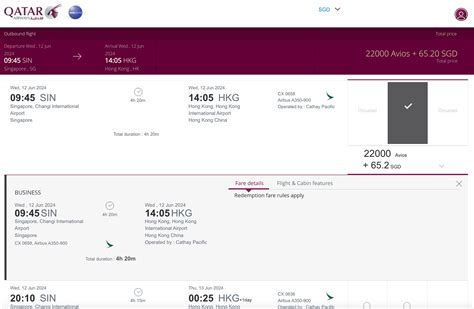
It’s crucial to recognize that not all partner redemptions are treated equally. Some frequent flyer programs pass on the full fuel surcharge imposed by a partner airline, while others absorb or reduce these costs. For example, you may avoid surcharges by booking a Japan Airlines flight using American Airlines miles—but incur fees if booked through British Airways.
Equally important is understanding award search engines. Some, like Alaska Airlines’ interface, clearly itemize carrier-imposed charges. Others bury them in the fine print or fail to show them until the final booking step, making it essential to proceed through the booking process before deciding.
How Surcharges Affect Value of Points and Miles
The impact of carrier-imposed fees on the real-world value of your miles can be dramatic. A redemption that looks generous on the surface—say, 70,000 miles for a premium cabin—may lose value when paired with $800 in fees. In such scenarios, travelers may be better off booking with cash, especially if they have cashback rewards or flexible travel credits available.
In fact, some travel hackers use a cost-per-mile (CPM) formula to evaluate redemptions:
Redemption Value = (Cash Price – Taxes and Fees) / Miles Used
Carrier-imposed charges reduce the numerator, thereby decreasing the effective value of your points.
The Role of Credit Cards in Minimizing Fees
Credit card issuers offer another avenue for travelers seeking to reduce the burden of surcharges. Many premium travel cards come with statement credits, airline fee reimbursements, or travel portal redemption options that bypass traditional award booking systems altogether. Top options in 2025 include:
- Chase Sapphire Preferred® Card – Ideal for beginners seeking flexibility.
- The Platinum Card® from American Express – Packed with travel perks and transfer partners.
- Capital One Venture Rewards Credit Card – Great for flat-rate earnings and fee coverage.
Using these cards, travelers can book cash tickets directly through travel portals and avoid fuel surcharges altogether, especially when pricing is competitive.
Conclusion: Outsmarting the Surcharge System
Carrier-imposed surcharges are a deliberate cost strategy employed by airlines to monetize award redemptions. While unavoidable in some cases, travelers equipped with the right knowledge, flexible points, and strategic booking habits can often dodge these fees or significantly minimize them.
To protect the value of your travel rewards, always scrutinize the total out-of-pocket cost of an award ticket—not just the mileage requirement. Look for surcharge-free partners, exploit transfer opportunities, and use credit card benefits to cover what remains. In doing so, you’ll preserve the true value of your miles and ensure that your “free” flight is as close to free as it should be.