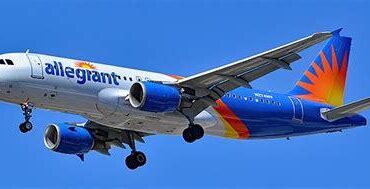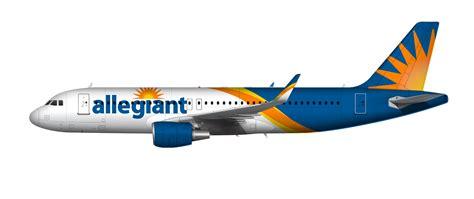
In recent months, a growing number of passengers have reported unexplained post-flight charges labeled as “ALLEGNT BUYONBOARD” on their credit card statements—often appearing weeks or even months after their flight with Allegiant Air. While the individual amounts are relatively small, usually between $3.99 and $10, the delayed billing and lack of transparent communication have created a backlash among affected travelers, igniting discussions across forums like Reddit and consumer complaint sites.
The core issue revolves around what should be a simple transaction: in-flight purchases such as drinks or snacks. Several customers have reported being charged on the day of their flight, only to find a second identical charge months later, long after the trip concluded. For many, these charges are small enough to slip under the radar, but their arbitrary timing and repetition have caused significant concern about fraudulent billing practices or systemic errors in Allegiant’s payment processing system.
Customer Reports Indicate a Pattern of Delayed Charges
Take the case of a passenger who flew on August 28, 2022, and bought a drink onboard. The transaction posted properly on the same day. However, on November 10, 2022, a second $10 charge appeared, labeled as “ALLEGNT BUYONBOARD.” This seemingly duplicate transaction had no justification, and the traveler was left battling Allegiant’s inaccessible customer service, which suggested calling during bizarre off-peak hours like 9 p.m. to 4 a.m.
Other travelers echoed the experience:
- One reported being charged $3.99 for a drink that was supposed to be free.
- Another cited a purchase from July 25, 2024, that wasn’t processed until six months later.
- In response to unresolved calls, some have found more success disputing charges via credit card companies or contacting Allegiant on social media platforms such as Facebook or Instagram.
The reports are disturbingly consistent, suggesting that this isn’t an isolated bug but rather a systemic flaw in how Allegiant processes its onboard point-of-sale transactions.
The Risks of Delayed Microcharges
Though each charge is relatively small, the practice raises serious concerns for multiple reasons. First, many travelers have admitted that they would not have noticed a $10 charge unless they were actively reviewing their credit card statements. This creates a situation ripe for financial oversight, especially for frequent fliers.
Second, such post-dated transactions bypass the expectations of fair business practices. It is reasonable to assume that purchases are charged at the time of the transaction—not months later. The delayed billing makes it difficult for passengers to verify or dispute charges, especially when receipts have long been discarded and memory of the transaction has faded.
Allegiant Air’s Customer Service: A Growing Source of Frustration
A recurring theme among complaints is the inaccessibility of Allegiant’s customer service. Callers are often greeted with automated recordings citing “extremely high call volume,” sometimes repeating this disclaimer five times before redirecting the caller to off-peak hours in the dead of night. Attempts to reach a representative during normal business hours are often met with long wait times or complete disconnections.
This frustration has led many customers to seek alternate routes for resolution—either by contacting their bank to dispute charges, or by airing grievances publicly on social media, which occasionally garners a response. The lack of a reliable and timely response channel is especially problematic when dealing with potential financial discrepancies.

Is Allegiant Violating Industry Norms?
In the airline industry, delayed charges are not entirely unheard of, particularly for international flights or when third-party systems are involved. However, for domestic flights with immediate onboard purchases, industry best practices typically involve real-time or same-day billing.
Allegiant’s repeated late billing under the “BUYONBOARD” code raises questions about:
- The efficiency and integrity of its payment processing system
- Whether in-flight staff are using offline POS terminals and syncing them much later
- A possible glitch in data upload and reconciliation protocols
What makes this more concerning is the lack of a consistent explanation or acknowledgement from Allegiant. No formal press release, FAQ, or public statement addresses these delayed charges, which adds to the perception of negligence or worse, deliberate obfuscation.
Legal and Ethical Implications of Postdated Charges
From a legal standpoint, delayed billing is not inherently illegal, provided that the charge reflects an authorized transaction. However, consumers must be given the opportunity to verify and contest any billing error in a timely manner. When billing happens months after the fact, the window for informed dispute narrows significantly.
Moreover, if charges are accidental duplications rather than delays, the issue crosses into unauthorized transaction territory, potentially violating consumer protection laws. The ethical considerations are just as severe—trust in a brand is eroded when customers feel they are being nickel-and-dimed without clarity or recourse.
What Can Consumers Do If They Encounter ‘ALLEGNT BUYONBOARD’ Charges?
Given Allegiant’s poor customer service responsiveness, consumers have found greater success through the following actions:
- Dispute the charge directly with your credit card provider. Most card issuers allow you to challenge suspicious transactions and will conduct a review.
- Document everything: flight date, purchase type, and any previous charges. Screenshots of past transactions can be critical.
- Contact Allegiant on social media, where public visibility sometimes prompts quicker responses than phone or email.
- Report the incident to the Better Business Bureau or Department of Transportation, especially if multiple passengers experience similar issues.
Consumers should also review their credit card statements monthly and maintain digital or paper copies of in-flight receipts, especially when flying budget carriers where billing inconsistencies appear more common.
Will Allegiant Address the Issue?
As of this writing, Allegiant Air has not publicly acknowledged any issue related to delayed or duplicated ‘BUYONBOARD’ charges. Their silence is concerning given the persistence and consistency of customer complaints.
A proactive airline would audit its POS and billing systems, issue refunds for duplicate charges, and release a statement addressing the root cause. Allegiant’s failure to do so underscores the airline’s broader reputation for low-cost fares at the expense of customer experience.
Conclusion: Small Charges, Big Problem
What began as a series of minor credit card anomalies has grown into a broader indictment of Allegiant Air’s billing practices and customer service infrastructure. The phrase “ALLEGNT BUYONBOARD” is fast becoming a symbol of mistrust among frequent travelers. While $10 may not warrant outrage in isolation, its unjustified, delayed, and recurring nature raises red flags about Allegiant’s internal processes.
For a company already operating on the edges of cost-efficiency, losing customer trust over what appears to be avoidable system failures could have long-term repercussions. Until Allegiant offers clarity and accountability, we advise travelers to exercise caution with in-flight purchases, and to monitor their financial statements rigorously post-flight.