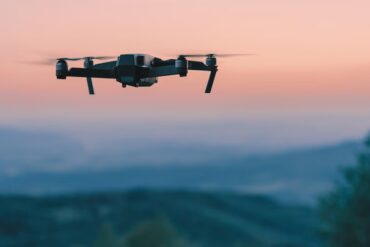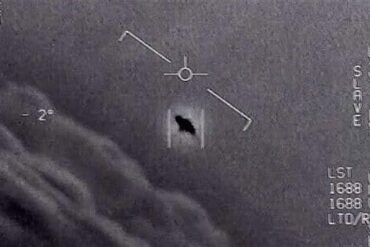
The Federal Aviation Administration (FAA) has launched an extensive evaluation of advanced drone detection technologies in Cape May, New Jersey, following a troubling surge in unexplained drone sightings across the state during late 2024. This two-week testing initiative, which began on April 14, 2025, marks a critical phase in the FAA’s broader strategy to reinforce the security and integrity of U.S. airspace amid the rising presence of unmanned aerial systems (UAS).
New Jersey Becomes the Epicenter of Drone Security Concerns
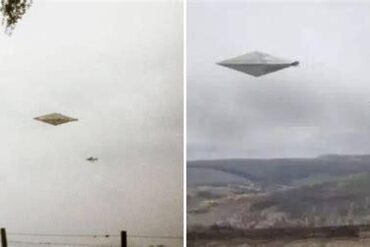
Cape May’s selection as the current test site is both strategic and symbolic. During November and December 2024, local and federal agencies received hundreds of drone sighting reports from across the state, ranging from suspicious behavior near airports and military installations to unexplained night-time formations over civilian areas. Despite thorough investigations, the majority of these incidents remained unresolved, sparking public anxiety and calls for greater transparency.
In response, Transportation Secretary Sean Duffy underscored the federal government’s commitment to what he termed “radical transparency” in addressing the situation. In a pre-recorded message released ahead of the testing, Duffy criticized the handling of the “New Jersey drone fiasco under the last administration” and pledged a proactive and transparent approach moving forward. “This is about protecting our national security and American safety,” he stated.
Broad Scope and Technical Breadth of FAA’s Testing Program
The current FAA campaign in Cape May involves approximately 100 commercial-grade drones, spanning a diverse range of configurations and weights—from lightweight models under one pound to industrial-grade systems weighing close to 1,320 pounds. This variety is crucial to assessing the full operational spectrum of detection equipment against the real-world challenges of contemporary drone activity.
Three core technologies form the backbone of the FAA’s drone detection testing:
- Remote ID Systems: These systems allow authorities to identify drones in flight via broadcasted signals, akin to digital license plates in the sky.
- Acoustic Arrays: Designed to detect the unique acoustic signatures of drones, these systems use directional microphones to triangulate drone positions even under poor visibility.
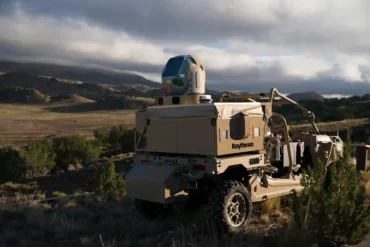
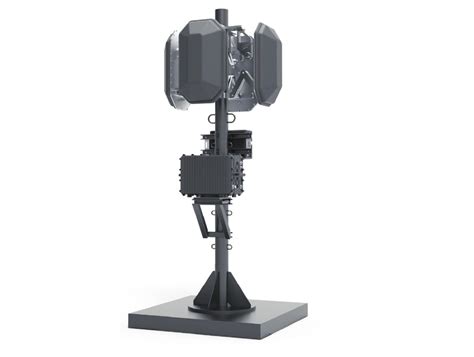
- X-Band Radar: Utilizing high-frequency electromagnetic waves, X-band radar excels at detecting small aerial vehicles that evade traditional radar.
Each of these technologies brings distinct strengths and limitations, which the FAA aims to assess in dynamic, real-world conditions. The core objective is to evaluate not just effectiveness, but also any potential interference with aircraft navigation systems, a risk that has proven critical in earlier tests elsewhere.
Previous Testing Exposed Vulnerabilities in National Airspace
Earlier this year, the Secret Service and U.S. Navy conducted experimental tests of anti-drone systems in Washington, D.C., revealing a major blind spot in the nation’s drone defense infrastructure. According to congressional reports, those tests inadvertently triggered collision alerts in commercial aircraft approaching Ronald Reagan Washington National Airport, exposing the potential hazards of improperly calibrated drone defense systems.
These findings highlight a central dilemma: while drone detection and mitigation are essential for homeland security, improperly implemented systems can introduce new safety risks. The FAA’s methodical testing approach in Cape May seeks to mitigate these risks through rigorous analysis and system calibration.
Unpacking the Drone Sightings: Between Hysteria and Reality
In a briefing held in December 2024, White House National Security Council spokesperson John Kirby offered critical context for the wave of drone reports. Kirby explained that most sightings were ultimately assessed to include a blend of legitimate drone operations—including commercial and hobbyist activity—as well as law enforcement aircraft and even astronomical misidentifications, such as bright stars.
“We assess that the sightings to date include a combination of lawful commercial drones, hobbyist drones, and law enforcement drones, as well as manned fixed-wing aircraft, helicopters, and even stars that were mistakenly reported as drones,” Kirby clarified.
Nevertheless, public concern remains high. With over 100 drone sightings near airports each month, according to the FAA, the perception of risk has grown faster than the regulatory frameworks and detection technologies that govern U.S. skies.
Why Cape May? Strategic Geography and Airspace Utility
Cape May presents a uniquely controlled testing environment. Located on the southern tip of New Jersey, the town offers open coastal airspace, limited commercial flight interference, and proximity to military facilities, including the Coast Guard Training Center. These factors combine to create an ideal testbed for evaluating drone detection across multiple scenarios, from recreational drone flights to potential airspace incursions.
Moreover, New Jersey’s recent notoriety as a hotbed of drone-related concern makes Cape May a symbolically potent choice for this new phase of FAA activity. This local focus serves not just operational needs but also political imperatives—addressing public anxiety with visible, science-based solutions.
National Implications: The Expanding Test Footprint
The FAA’s tests in New Jersey are part of a broader national strategy. Previous testing occurred in Alaska, and future phases are scheduled for New Mexico, North Dakota, and Mississippi. These sites were selected to represent diverse geographic and atmospheric conditions, helping the FAA craft a comprehensive, nationwide drone detection protocol.
Each location brings unique challenges—from Alaska’s mountainous terrain to New Mexico’s desert expanses—and informs the agency’s capacity to build resilient detection networks. Together, these tests will help determine which systems are scalable, cost-effective, and safe enough to integrate into national infrastructure.
Toward a Unified Drone Detection Framework
As drone technology becomes increasingly democratized, the need for a federated, interoperable detection system grows more urgent. Beyond commercial hobbyists, drones are being adopted by industries, emergency services, media organizations, and even criminal entities. Without a unified detection standard, the U.S. remains vulnerable to both accidental collisions and malicious drone use.
The FAA’s efforts in Cape May could mark a turning point. By rigorously vetting detection technologies under diverse flight scenarios and interference conditions, the agency moves closer to establishing trusted national benchmarks. This is essential not just for airspace security but also for public trust, which has waned in the wake of high-profile drone incidents and lack of transparency from prior administrations.
Political Stakes and the Promise of Transparency
Secretary Duffy’s rhetoric around transparency reflects the political sensitivity surrounding drone-related security issues. The previous administration faced sharp criticism for perceived inaction and obfuscation during the late 2024 New Jersey drone surge. In contrast, the current administration is attempting to reset the narrative by engaging the public and showcasing progress through openly publicized testing initiatives.
This shift in approach may help restore confidence, but it also places heightened scrutiny on the FAA’s ability to deliver tangible results. Should the Cape May tests validate certain technologies, their deployment in high-risk areas—such as near major airports, nuclear facilities, and defense installations—could begin as early as 2026.
Looking Forward: From Detection to Deterrence
While detection is a foundational step, it is only the beginning. True drone security requires a complete chain of capabilities: detection, identification, classification, and mitigation. The FAA’s current tests are a step toward mastering the first three. The next challenge—safe and lawful interdiction—will involve collaboration with the Department of Homeland Security, law enforcement agencies, and Congress to develop protocols for neutralizing threatening drones without endangering bystanders or violating civil liberties.
Conclusion: A Critical Milestone in Securing American Skies
The Cape May initiative signals a vital moment in U.S. airspace governance. As drone sightings and their associated risks multiply, the FAA’s commitment to robust, transparent testing underscores the federal government’s awareness of the evolving aerial threat landscape. The findings from this campaign will not only influence drone policy but may also reshape how the public perceives and engages with unmanned technology.
With future tests planned across varied regions and environments, the groundwork is being laid for a national detection infrastructure—a critical shield in a sky increasingly shared between human pilots and autonomous machines.