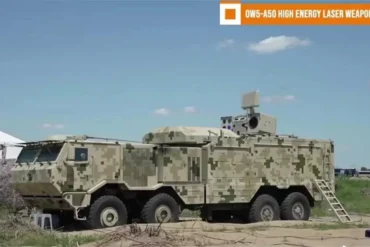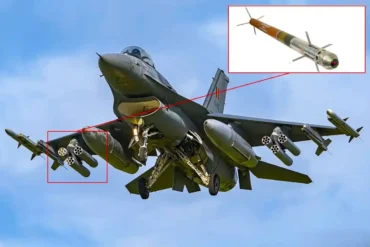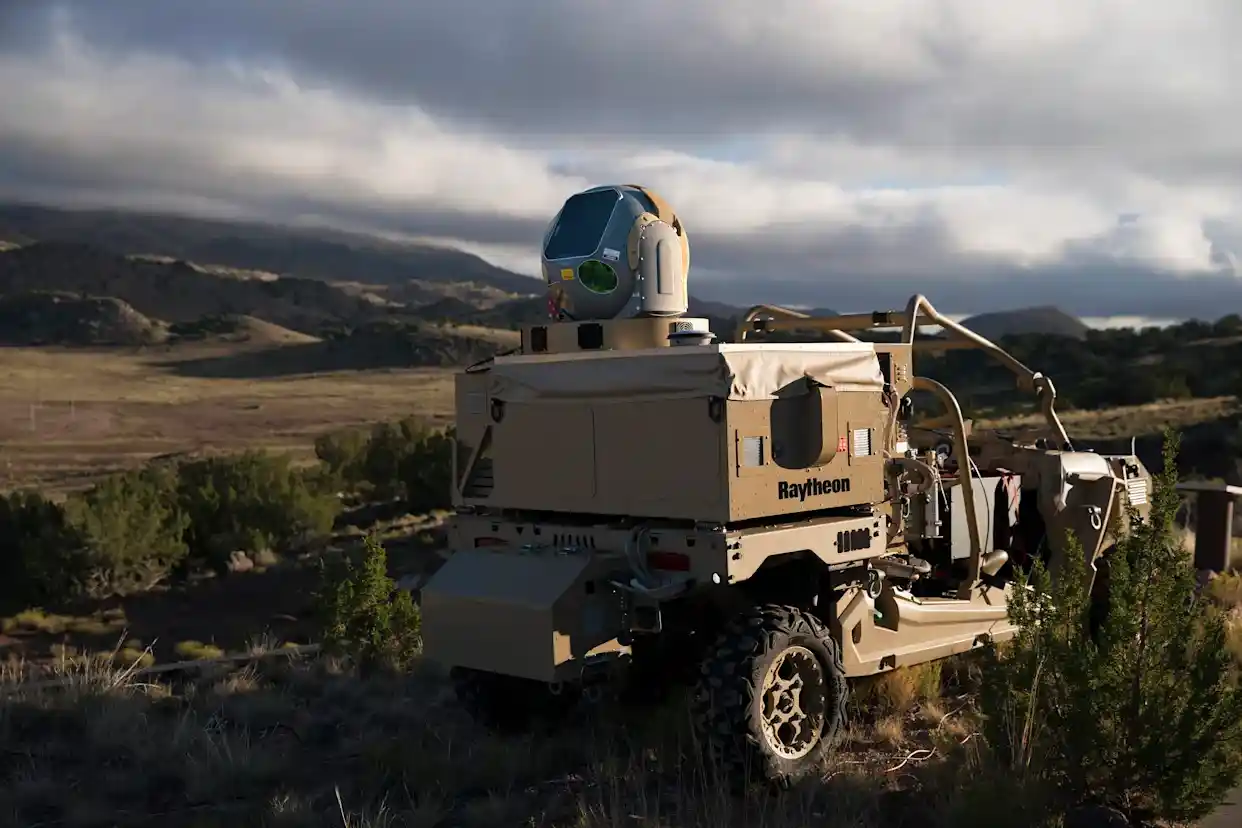
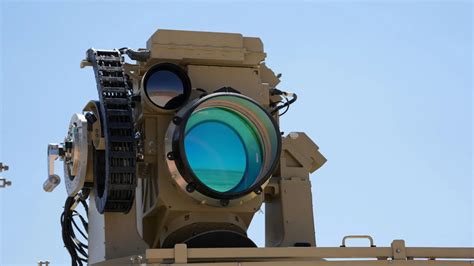
The United States is accelerating efforts to counter the growing threat posed by small unmanned aircraft systems, with the Pentagon and the Federal Aviation Administration (FAA) launching joint tests of a high-energy anti-drone laser system. Conducted at White Sands Missile Range in New Mexico over the weekend of March 7–8, the testing program aims to determine whether laser-based counter-drone technology can be safely deployed within the US National Airspace System without endangering civilian aviation.
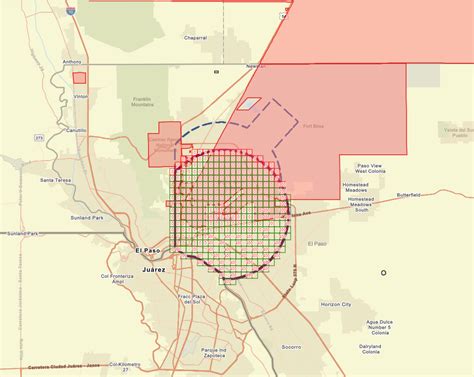
The initiative follows two back-to-back incidents in Texas during February that forced temporary airspace closures near El Paso and Fort Hancock. In both cases, authorities deployed laser systems to neutralize suspected drones operating near sensitive areas along the US–Mexico border. The sudden restrictions disrupted regional air traffic and triggered urgent calls for improved coordination between military defense units and civilian aviation regulators.
As drones become cheaper and more widely available, federal agencies are grappling with the challenge of protecting sensitive infrastructure while maintaining safe and uninterrupted air travel. The joint testing effort represents one of the most significant steps yet toward integrating directed-energy counter-drone systems into the complex ecosystem of US airspace.
Pentagon–FAA Collaboration Evaluates Laser Safety In Civilian Airspace
The testing program is led by the Pentagon’s Joint Interagency Task Force 401, a counter-drone unit responsible for developing and deploying technologies designed to protect US military personnel and infrastructure. The partnership with the FAA reflects a growing recognition that counter-drone systems must operate safely within the same skies used by commercial airlines, cargo aircraft, and private aviation.
At White Sands Missile Range, engineers and aviation safety specialists are studying several critical factors related to laser deployment. One major focus is the potential interaction between high-energy laser beams and aircraft materials. Even brief exposure to concentrated light energy could damage sensitive components if safety safeguards fail.
The tests also examine automated safety mechanisms built into the system. These include rapid shut-off protocols, designed to immediately disable the laser if aircraft or unintended targets enter the engagement zone. Such mechanisms are essential in environments where military defensive systems operate close to civilian flight paths.
Another key concern involves pilot and aircrew eye safety. Even indirect reflections from high-energy laser beams could theoretically create visual hazards if proper controls are not implemented. Researchers are gathering operational data to ensure the technology can be used without posing risks to aircraft crews flying near active defense zones.
Brigadier General Matt Ross, director of Joint Interagency Task Force 401, emphasized the urgency of the program when speaking to Military Times. He explained that the task force’s primary objective is to deliver state-of-the-art counter-unmanned aerial system capabilities to military forces while maintaining safety across shared airspace.
Texas Incidents Expose Airspace Coordination Challenges
The urgency behind the new testing initiative stems from two incidents that exposed significant coordination gaps between military operations and civil aviation authorities.
The first occurred on February 25 near Fort Hancock, Texas, when a military counter-drone laser system accidentally shot down a drone operated by another US government agency. While no injuries occurred, the event prompted the FAA to expand restricted airspace in the region as a precautionary measure.
Such restrictions can have cascading consequences for aviation operations. Commercial flights, cargo carriers, and general aviation aircraft often rely on tightly scheduled routes, particularly near border regions where airspace corridors are already complex. Even temporary restrictions can cause delays, reroutes, and logistical complications for airlines.
A second incident unfolded earlier near El Paso, where US Customs and Border Protection deployed a laser system in response to suspected drone activity. The FAA reacted by temporarily shutting down the airspace above the city. Authorities initially expected the restriction to last several days but ultimately lifted it within hours.
Despite the short duration, the sudden closure stranded travelers and created confusion among airlines operating in the region. Aviation industry groups quickly raised concerns about how counter-drone operations might affect commercial air traffic if clear procedures were not established.
The Growing Threat Of Small Drones Near Sensitive Areas
Small unmanned aircraft systems have rapidly evolved from niche hobbyist gadgets into widely accessible tools capable of operating near critical infrastructure. Border regions in particular have seen increasing drone activity linked to surveillance, smuggling operations, and unauthorized airspace incursions.
Traditional air defense systems were never designed to deal with such threats. Missiles capable of intercepting high-speed aircraft or ballistic weapons are often far too expensive and inefficient when used against small drones that may cost only a few hundred dollars.
This mismatch has driven the military toward directed-energy solutions, which rely on concentrated beams of light rather than physical interceptors. High-energy lasers can disable drones by burning through key components such as sensors, propellers, or control systems.
Because these systems use electricity rather than missiles, the cost per engagement can be extremely low, making them attractive for defending against large numbers of inexpensive aerial threats. At the same time, their precision allows operators to target drones without generating explosive debris or shrapnel.
Directed-Energy Weapons Move Toward Operational Deployment
The US effort reflects a broader global shift toward laser-based air defense technologies. Several nations are now developing or deploying directed-energy systems designed to complement traditional missile defenses.
Israel’s Iron Beam system has emerged as one of the most prominent examples. Developed by Rafael Advanced Defense Systems and Elbit Systems, the platform is designed to intercept short-range aerial threats such as rockets, mortar shells, and drones.
Unlike conventional interceptors, which can cost tens of thousands of dollars per launch, Iron Beam reportedly requires only a small amount of electrical power to fire. Each engagement may cost just a few dollars in electricity, dramatically reducing the economic burden of defending against repeated attacks.
Recent reports suggest the system has already been used in real-world operations during escalating regional tensions in the 2026 Iran crisis. Videos circulating online appear to show laser intercepts targeting incoming drones and rockets, offering a glimpse into the future of air defense technology.
Balancing Innovation With Aviation Safety
As directed-energy weapons move from experimental laboratories to operational deployments, aviation authorities face the difficult task of integrating these systems into shared civilian and military airspace.
The Pentagon-FAA testing campaign at White Sands represents an important step toward building the regulatory and technical framework needed to make that possible. By gathering detailed data on laser safety, operational procedures, and airspace management, officials hope to prevent future disruptions like those seen in Texas.
The challenge is not merely technical but organizational. Military units, border security agencies, and aviation regulators must coordinate their activities in real time, ensuring that defensive systems can respond to drone threats without jeopardizing commercial flights.
If successful, the testing program could pave the way for routine deployment of anti-drone laser defenses across sensitive US locations, including border zones, military installations, and potentially major airports. The goal is clear: neutralize emerging aerial threats while keeping one of the world’s busiest airspace systems running safely and smoothly.