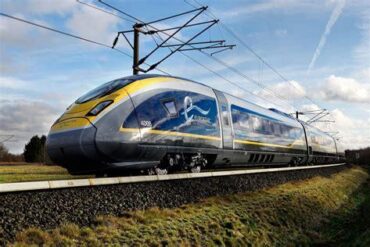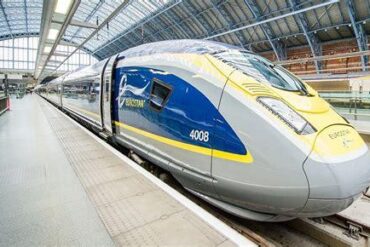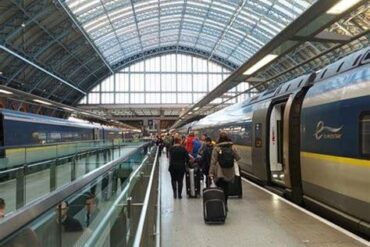
Eurostar passengers experienced significant delays and disruptions on July 1, 2025, with some individuals left stranded for up to seven hours due to tragic incidents involving two individuals being struck by trains near Lille Europe. This unfortunate occurrence has cast a shadow over travel between London St Pancras International and Gare Du Nord in Paris, leaving countless travelers frustrated and helpless as they sought to navigate the chaos. As Eurostar grappled with the aftermath, it became evident that the rail operator’s response to the crisis would be scrutinized heavily by affected passengers.
The disruption began unfolding around 3 pm, shortly after the first reports of an incident came in, leading to an immediate halt of services. According to Eurostar, the unfortunate events resulted in extensive delays and cancellations throughout the evening. A train originally scheduled to arrive in Paris before 6 pm found itself still stuck in the northern tunnels by 9:45 pm, illustrating the depth of the turmoil affecting the Eurostar service.
In a statement issued by the rail operator, Eurostar confirmed that the chaos stemmed from two separate incidents occurring in quick succession. The first tragedy was reported around 5 pm, disrupting services between Lille and Paris, while the second incident occurred between Lille and Arras. These occurrences not only caused immediate delays but also led to extensive disruptions in the Eurostar timetable, leaving many passengers in limbo for extended periods of time.
As frustrations mounted, Eurostar acknowledged that the situation could remain challenging in the following day, with further congestion anticipated due to the previous day’s delays. Several train services were outright canceled, including the 9007, 9013, 9023, 9008, and 9018 services slated for today, exacerbating the already dire situation for passengers attempting to make alternate arrangements. This compounded the travel chaos, making it increasingly difficult for those relying on Eurostar to reach their destinations.
Passengers who had booked trains for 4:01 pm, 6:01 pm, and 8:01 pm quickly learned that their journeys were either delayed or outright canceled. Social media platforms became a forum for distress, with numerous travelers venting their frustrations and demanding compensation and refunds for the considerable inconvenience they faced. One particularly distraught passenger took to Twitter, sharing their ordeal of being on train 9032 for seven hours without even reaching Paris.
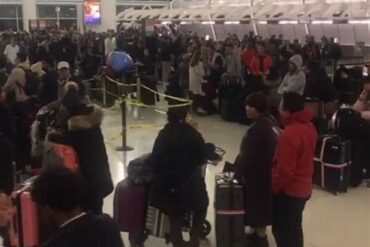
Among the many voices of discontent was Naomi Sanger, who recounted her harrowing experience while attempting to travel on the 4:31 pm train from Gare Du Nord. In an emotional account shared with KentOnline, she described how her train failed to depart, leaving her abandoned at the station without any information or assistance. With provisions such as food and drink rapidly depleting and the station’s air conditioning malfunctioning, the discomfort only heightened the distress of the situation. Such a lack of support and communication from Eurostar intensified the frustration among many passengers, who were left pondering how a significant event like this could have been managed more effectively.
This recent turmoil followed another tragic incident just one week prior when a person was similarly struck on the tracks in France, leading to the delay or cancellation of a dozen Eurostar trains along the same route. The recurrence of these events raised serious concerns regarding safety protocols and the rail operator’s ability to respond swiftly and effectively to such tragedies. While these incidents were undoubtedly beyond Eurostar’s control, the operator’s handling of the aftermath drew substantial criticism from passengers who felt that communication and management of the situation fell short of expectations.
The widespread delays and cancellations left travelers scrambling for alternatives, with many struggling to secure refunds or rebookings for their disrupted journeys. Eurostar’s communication during this period was described as poor, with updates often delayed or lacking critical information necessary for passengers attempting to understand their options. Although the company issued apologies for the inconvenience, many passengers felt that the compensation offered did not adequately address the distress and disruption they experienced during these prolonged delays.
This situation brought to light broader issues with Eurostar’s service, particularly its capability to manage unexpected events and provide adequate support to passengers during times of crisis. Like many other transport companies, Eurostar has come under increasing scrutiny to enhance customer service, especially amid challenging circumstances such as those witnessed recently. The events of the past few days have certainly tested the rail operator’s reputation, leading many passengers to question whether they can depend on Eurostar for future travel needs.
As the disruptions persisted into the following day, passengers found themselves with limited options, compounding the difficulties faced by many who were already contending with tight schedules and important commitments. Despite Eurostar’s attempts to manage the fallout, the chaos and frustration continued to rise, leaving travelers with little choice but to endure the uncertainty while hoping that normal service would eventually resume.
In light of this incident, Eurostar is likely to face mounting pressure to review its operational procedures and improve communication with passengers. Travelers have voiced the need for better support and more timely updates during disruptions of this nature, alongside clearer compensation policies for those significantly affected by such delays. For now, those impacted by the disruptions can only hope that Eurostar will take the necessary steps to address these pressing issues and avert similar incidents in the future.
In conclusion, the tragic incidents near Lille Europe resulted in severe disruption to Eurostar services, with passengers left stranded for hours and many journeys canceled altogether. The combination of poor communication and inadequate support from the operator led to heightened frustration, prompting passengers to demand refunds and compensation for the significant delays experienced. While Eurostar is working diligently to restore services and rectify the situation, the experience has raised critical questions about the company’s ability to manage emergencies effectively and provide satisfactory customer service in times of crisis. As Eurostar endeavors to tackle these challenges, passengers are left hoping for improvements in both service quality and emergency response in the future.