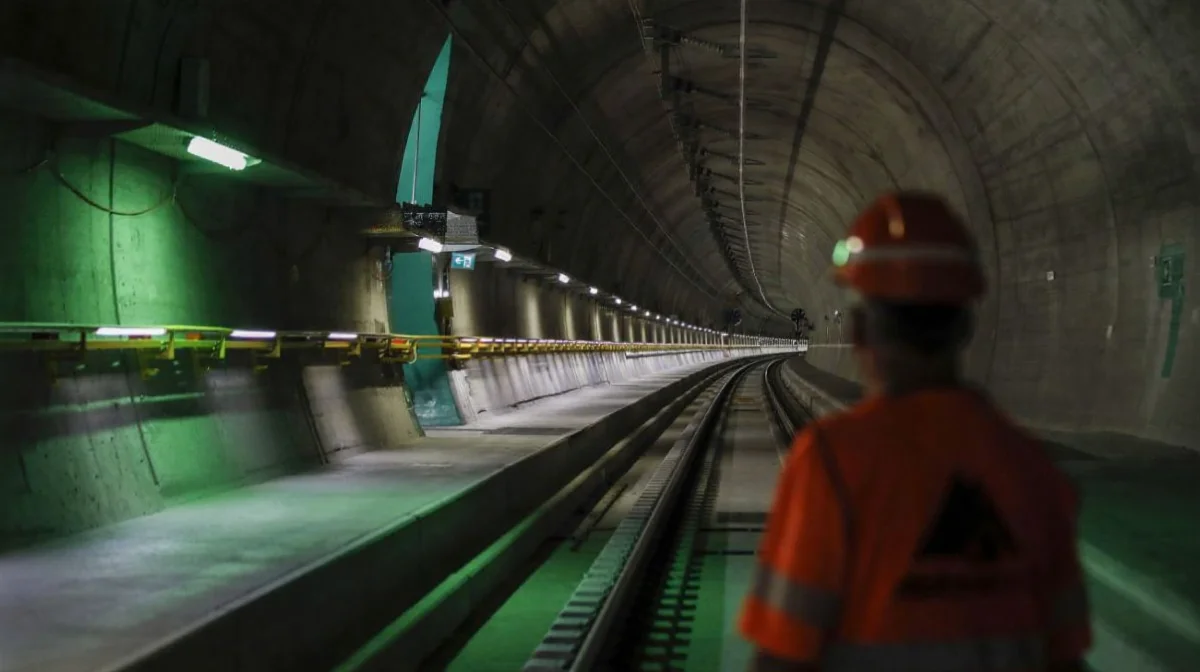
On Saturday, July 27, 2025, a Deutsche Bahn ICE train traveling from Vienna to Hamburg experienced a sudden and unexpected power failure near the town of Hadersdorf, leaving almost 400 passengers trapped inside a railway tunnel. The incident occurred around 1:30 PM, shortly after the train had departed from Vienna, resulting in a series of technical hurdles that led to passengers being stranded for more than six hours. The abrupt loss of power caused the train to come to a standstill, plunging passengers into darkness and leaving them without air conditioning. This unforeseen technical glitch quickly escalated into a chaotic situation, as many travelers, some on long-distance journeys, found themselves in increasingly uncomfortable conditions.
The failure of the train’s ventilation system contributed to a claustrophobic atmosphere, exacerbating the distress among the passengers. As the minutes turned into hours, anxiety levels rose, and the need for swift action became paramount. Emergency protocols were initiated immediately by Austrian Federal Railways (ÖBB) and Deutsche Bahn, but the challenges of the situation were significant.
Efforts to resolve the situation began with attempts to tow the train out of the tunnel. However, these efforts proved ineffective due to the complexities involved. As a result, emergency teams devised a plan to deploy a replacement train into the tunnel to facilitate passenger evacuation. Complications arose when some passengers, failing to comply with safety instructions, began wandering into the tunnel on foot. This prompted emergency services to shut down all power in the tunnel to prevent further danger, leading to additional delays in the evacuation process.
The complexity of the situation necessitated coordination among multiple rescue teams. In light of the complications, it was ultimately decided to evacuate passengers via the emergency exits instead of using the replacement train. The Vienna fire department, along with various local rescue teams, sprang into action, initiating a coordinated evacuation of passengers through the tunnel’s emergency exits. The dark, hot, and cramped conditions made the evacuation efforts more challenging, but over 100 emergency personnel worked tirelessly to ensure the safe extraction of all passengers.
By 8:00 PM, all passengers had been evacuated safely, with only two individuals requiring outpatient medical treatment afterward. Fortunately, neither suffered serious injuries, and their conditions were not life-threatening. The prompt actions of the emergency teams helped avert a potentially more severe crisis, showcasing their effectiveness under pressure.
Once safely evacuated, all passengers were transported back to the city center of Vienna by bus, where they were provided with alternative travel options. Despite the disruption and the stressful experience, many passengers expressed gratitude towards the emergency services for their efficient response.
The breakdown of the ICE train resulted in widespread disruptions to both regional and long-distance rail services. Many trains were diverted, leading to delays that continued to ripple throughout the evening. According to ÖBB, the affected line between Vienna-Meidling and Tullnerfeld was eventually cleared and reopened without restrictions early on Sunday morning. Nevertheless, the incident had a significant impact, with numerous passengers reporting delays in their journeys due to redirected or halted trains.
In an official statement, ÖBB acknowledged the rapid response from emergency teams and commended the passengers who adhered to safety protocols during the evacuation. The railway company stressed the importance of compliance with safety instructions during emergencies, noting that such adherence is vital for the effective management of crisis situations. Furthermore, ÖBB highlighted the necessity for ongoing improvements in safety measures and emergency procedures to prevent similar incidents from occurring in the future. The lessons learned from this event will be instrumental in enhancing the overall safety and efficiency of future evacuation efforts.
This incident serves as a stark reminder of the critical importance of effective emergency planning and the need for passenger cooperation during dire situations. While the outcome was largely positive, with no fatalities reported, it underscores the inherent risks associated with train travel and the potential for unforeseen disruptions. Both passengers and railway companies must remain vigilant and prepared for unexpected circumstances, ensuring that safety remains a top priority.
In conclusion, the swift and efficient actions taken by both the emergency services and the rail companies ensured that the crisis was managed effectively, with no serious injuries reported. However, this event serves as a sobering reminder of the need for constant vigilance and preparedness in the face of unexpected disruptions within the rail system.