British Airways entered 2026 with an ambitious promise: bring free, high-speed Starlink Wi-Fi to nearly its entire fleet within two years and transform the onboard digital experience for millions of passengers. The announcement generated enormous excitement across the aviation industry because Starlink has rapidly become the benchmark for next-generation in-flight connectivity. Yet only nine weeks after the first aircraft went live, the rollout has slowed to a crawl.
Despite Starlink’s reputation for rapid installation and streamlined hardware integration, British Airways has managed to equip just five aircraft since March 19. The surprisingly slow pace has raised serious questions about whether the airline can realistically meet its March 2028 target.
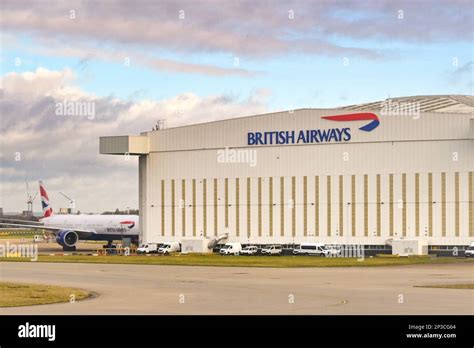
The issue does not appear to involve the satellite technology itself. Instead, the bottleneck is far more operational: British Airways reportedly lacks enough available hangar space to install the systems while simultaneously maintaining fleet reliability.
For an airline operating nearly 300 aircraft and juggling intense summer demand, the Starlink project is colliding with the harsh realities of aircraft maintenance scheduling.
British Airways’ Starlink Ambitions Are Facing Early Turbulence
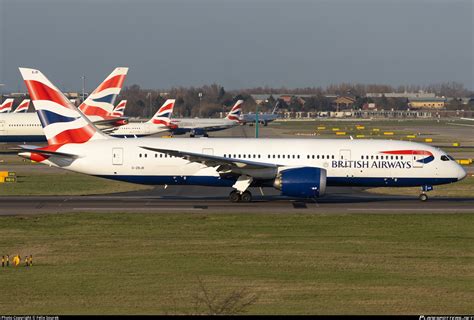
When British Airways launched its first Starlink-enabled flight aboard a Boeing 787-8 Dreamliner, the carrier positioned the move as a major leap forward in customer experience. Passengers would finally gain access to fast, free Wi-Fi capable of supporting video streaming, messaging, gaming, and remote work at cruising altitude.
The airline initially targeted its fleet of Boeing 787-8 aircraft, specifically those that had never previously been fitted with Wi-Fi hardware. That approach made strategic sense because retrofitting aircraft without legacy connectivity systems is generally simpler and faster.
However, the rollout has advanced at a painfully slow rate.
As of May 23, only five Boeing 787-8 aircraft have received Starlink systems:
- G-ZBJA
- G-ZBJI
- G-ZBJJ
- G-ZBJK
- G-ZBJM
The aircraft range from 7.5 to 13.1 years old, and collectively represent only a tiny fraction of British Airways’ long-haul fleet.
The numbers become even more striking when compared with the airline’s broader commitment. British Airways plans to equip more than 300 aircraft by March 2028. At the current installation rate of one aircraft every 12 days, the airline would complete fewer than 60 aircraft before the deadline arrives.
That gap highlights the scale of the operational challenge now facing the carrier.
Hangar Availability Has Become The Critical Bottleneck
Starlink installations are not supposed to take long. One of the system’s strongest selling points is its installation speed compared to traditional satellite Wi-Fi systems.
Other airlines have demonstrated just how quickly the technology can be deployed when maintenance infrastructure is available.
Emirates has reported installation rates of approximately 14 aircraft per month. United Airlines has equipped regional aircraft at a pace approaching 40 planes monthly. Even Virgin Atlantic, which only recently introduced Starlink, expects all 12 of its Airbus A350-1000 aircraft to be ready by early summer.
British Airways is nowhere near those benchmarks.
Industry reports suggest the primary problem is limited hangar access. The airline’s engineering facilities are already under significant strain due to ongoing fleet maintenance requirements, particularly involving the Boeing 787 Dreamliner fleet.
The Dreamliner has been a recurring source of operational headaches for multiple airlines worldwide over recent years. Maintenance delays, parts shortages, and reliability issues have frequently forced carriers to prioritize keeping aircraft serviceable rather than pursuing optional cabin upgrades.
For British Airways, every hour inside a maintenance hangar has become increasingly valuable.
Installing Starlink may only require several hours of technical work, but aircraft first need to be available, parked, and scheduled into engineering slots. During the busy summer travel season, that flexibility becomes extremely limited.
British Airways Risks Falling Behind Competitors
The timing of the slowdown is particularly problematic because competitors are accelerating their own connectivity upgrades.
Virgin Atlantic may have announced Starlink later than British Airways, but its rollout pace now appears considerably more aggressive. By the peak summer season, Virgin could potentially offer broader Starlink coverage across its premium long-haul network than British Airways itself.
That matters because onboard connectivity is no longer viewed as a luxury feature. Travelers increasingly expect reliable internet access throughout their journey, especially on long-haul business routes.
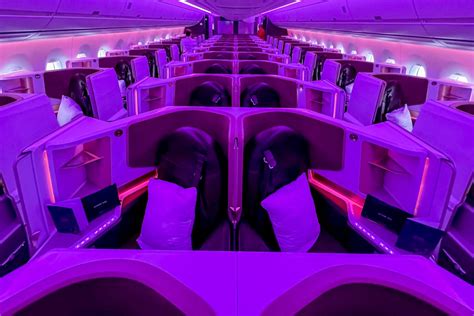
Airlines are effectively competing on digital experience as much as seat comfort or inflight catering. Free Wi-Fi has become a powerful marketing tool, particularly among premium travelers and younger passengers who expect uninterrupted connectivity.
British Airways understands this dynamic well. Parent company International Airlines Group has made cabin modernization a major strategic priority across multiple airlines, including Aer Lingus, Iberia, LEVEL, and Vueling.
The broader IAG plan involves fitting more than 500 aircraft with Starlink systems.
Yet British Airways, the group’s flagship airline, now risks becoming one of the slowest participants in the initiative.
Passenger Expectations Have Risen Faster Than Deployment
The airline’s marketing around Starlink created significant anticipation among passengers. Many travelers assumed the service would spread rapidly once the first aircraft entered operation in March.
Instead, the odds of boarding a Starlink-equipped British Airways aircraft remain extremely low.
With only five aircraft fitted out of nearly 300, passengers currently have less than a 2% chance of experiencing the new connectivity platform during their flight.
That disconnect between expectation and reality could become increasingly frustrating for frequent flyers, especially when rival carriers advertise broader coverage.
The issue is amplified by the fact that Starlink performance has generally received strong reviews across the aviation sector. Unlike older generation inflight internet systems, Starlink offers substantially lower latency and much higher speeds thanks to SpaceX’s low-Earth-orbit satellite network.
Passengers are no longer simply checking emails onboard. Many are streaming content, attending video calls, syncing cloud files, and maintaining near-continuous digital connectivity during flights.
British Airways wants to position itself at the center of that evolution, but execution speed now matters as much as technological ambition.
British Airways Maintains Rollout Confidence Despite Concerns
British Airways has publicly insisted that the rollout remains “continuing as planned,” though the airline has avoided directly addressing reports surrounding hangar shortages or installation delays.
That cautious response suggests the airline may still believe it can accelerate the program later in 2026 once operational pressures ease.
There is some logic behind that optimism. Large-scale fleet modification programs often begin slowly before gaining momentum as engineering teams refine procedures and scheduling efficiencies improve.
The airline still has seven remaining Boeing 787-8 aircraft scheduled for Starlink installation before work expands to the larger Boeing 787-9 fleet.
However, the calendar is already becoming a serious factor. Every month of slow progress increases the pressure to dramatically accelerate installations later in the program.
Without a substantial increase in hangar capacity or maintenance flexibility, British Airways may struggle to bridge that widening gap.
For now, the airline remains caught between two competing priorities: maintaining operational reliability across a busy global fleet while simultaneously delivering one of the aviation industry’s most ambitious connectivity upgrades.