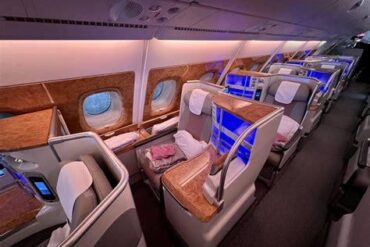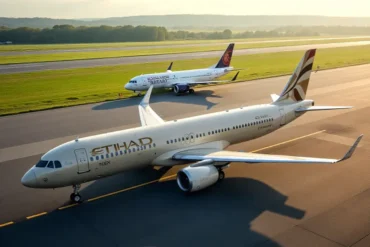
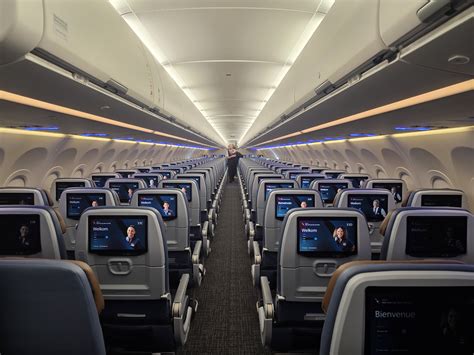
In a bold leap toward redefining modern air travel, Qatar Airways has officially completed the wide-scale installation of Starlink satellite internet on its Boeing 777 fleet, with the Airbus A350 fleet next in line for this revolutionary connectivity upgrade. This strategic move positions Qatar Airways at the forefront of in-flight digital transformation, ensuring passengers in both Premium and Economy classes benefit from ultra-fast, gate-to-gate Wi-Fi speeds of up to 500 Mbps per aircraft.
Passengers now enjoy a broadband-like internet experience from the moment they step onboard until they disembark—unlocking seamless possibilities for work, entertainment, and communication at 35,000 feet.
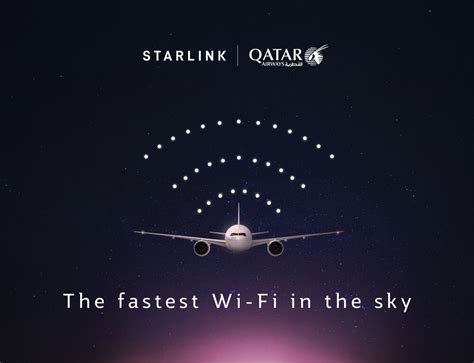
Starlink’s Game-Changing Role in In-Flight Connectivity
Starlink, the satellite internet service engineered by SpaceX, is revolutionizing airborne connectivity by leveraging its constellation of low Earth orbit (LEO) satellites. Unlike traditional geostationary satellites, which often suffer from latency and bandwidth limitations, Starlink’s LEO network offers high-speed, low-latency coverage, particularly beneficial for aviation. This technology ensures reliable internet across even the most remote flight paths—including transoceanic and polar routes.
Qatar Airways was the first global carrier to launch a Starlink-enabled Boeing 777 service in October 2024. Since then, over 15,000 successful flights have been powered by this system, enabling passengers to stream HD video, attend Zoom calls, upload large files, and stay connected—with performance often rivaling home broadband. The service’s seamless integration across both leisure and business travel segments positions Qatar Airways as a benchmark carrier for others aiming to modernize their onboard experience.
Expanding to the Airbus A350: A Strategic Next Phase
Building on the success of the Boeing 777 rollout, Qatar Airways is now focused on its Airbus A350 fleet, planning to complete full Starlink integration within the next 12 months. The A350, known for its fuel efficiency and long-haul comfort, will soon pair its advanced design with cutting-edge satellite internet, ensuring a consistent and superior passenger experience across the airline’s widebody network.
The airline’s fleet-wide commitment reflects not only a dedication to technological excellence but also to the evolving expectations of modern travelers—who increasingly demand uninterrupted digital access, whether for work, leisure, or essential communication.
The Strategic Importance of Seamless In-Flight Internet
The impact of in-flight connectivity reaches far beyond convenience. In today’s hyper-connected world, passengers expect to stay digitally active from departure to arrival. The Starlink-powered experience eliminates traditional dead zones, supporting uninterrupted productivity for professionals and remote workers alike.
Whether it’s responding to time-sensitive emails, conducting remote meetings, or staying engaged with clients, Qatar Airways’ new system supports a mobile-first, always-connected workforce. This has enormous implications for business travel, especially as the line between work and leisure continues to blur with the rise of digital nomadism.
For leisure travelers, enhanced connectivity enables live trip planning, real-time travel updates, and uninterrupted social sharing. Vacationers can research restaurants, book tours, or stream movies—all without waiting to land.
Enhancing Regional and Global Tourism Dynamics
By setting a new global standard for in-flight internet, Qatar Airways is not just elevating its brand but also catalyzing positive disruption across the tourism sector. As long-haul routes become more appealing due to onboard connectivity, emerging destinations—especially in regions requiring multi-leg travel—stand to benefit significantly.
Countries investing in tourism infrastructure can now market themselves as easily accessible and digitally friendly, attracting travelers who value both exploration and connectivity. This is especially important in the post-pandemic era, where traveler confidence is tightly linked to convenience, flexibility, and digital empowerment.
Furthermore, real-time marketing opportunities now exist in-flight. Destination marketers, hotels, and tour operators can engage with passengers en route, offering exclusive deals or experiences timed to arrival. This enhances engagement while creating a connected ecosystem between airlines, tourism boards, and local businesses.
The Business Case for High-Speed Airborne Internet
From an operational standpoint, Qatar Airways’ adoption of Starlink is a strategic investment in long-term competitiveness. As consumer expectations evolve, airlines offering superior digital services gain a tangible edge—not only in customer satisfaction but also in loyalty and revenue generation.
Passengers are increasingly willing to pay a premium for uninterrupted connectivity, especially on long-haul and business-heavy routes. Additionally, real-time internet opens doors to new ancillary revenue models, such as sponsored content, e-commerce, or virtual concierge services.
Starlink’s scalability ensures that as Qatar Airways grows its route network and fleet, connectivity performance will remain consistent, supported by an expanding satellite constellation and system upgrades.
Operational Excellence and Passenger-Centric Technology
Behind this technological transformation lies a complex orchestration of hardware integration, software optimization, and aircraft certification. Each Boeing 777 and Airbus A350 equipped with Starlink required precise antenna installation, system testing, and compatibility verification with the aircraft’s avionics.
Qatar Airways’ Engineering and IT teams have worked in collaboration with SpaceX technicians and aviation regulators to ensure that connectivity systems meet stringent aviation safety standards while delivering high-throughput performance under varying flight conditions.
Moreover, the airline has tailored the onboard user interface to provide passengers with a seamless login experience, integrating loyalty programs and personalized settings that remember past preferences. This is part of the broader vision to deliver hyper-personalized journeys, combining smart cabin technology with data-driven service enhancements.
Looking Ahead: The Future of In-Flight Digital Experience
As Qatar Airways completes its Starlink installations, the broader implications for the aviation sector are profound. In-flight connectivity is no longer a luxury—it is rapidly becoming a non-negotiable standard for premium travel.
Within the next five years, more global carriers are expected to follow suit, forming strategic partnerships with satellite internet providers to ensure parity in digital offerings. As competitive pressure mounts, the differentiating factor will shift from availability to quality, consistency, and integration of digital services.
For Qatar Airways, the road ahead includes:
- Further expanding Starlink across narrow-body aircraft
- Exploring augmented reality (AR) and virtual conferencing as in-flight applications
- Partnering with content providers for exclusive in-flight entertainment bundles
- Integrating onboard commerce systems leveraging real-time internet
The airline’s leadership in this space sends a clear message to the industry: the sky is no longer the limit—it’s the beginning of a fully connected journey.
Conclusion: Qatar Airways at the Helm of a Digital Travel Revolution
By pioneering the rollout of Starlink satellite connectivity across both Boeing 777 and Airbus A350 aircraft, Qatar Airways has established a transformative blueprint for the future of aviation. This bold initiative blends engineering excellence, customer-centric vision, and digital innovation to offer passengers an unmatched flying experience.
As global travel evolves, connectivity will define comfort, productivity, and engagement. Qatar Airways’ foresight not only enhances its own brand but also pushes the boundaries for what air travel can be in the 21st century.
The airline’s continued commitment to excellence, innovation, and customer satisfaction confirms its status as a global aviation leader—not just in the skies, but also in the digital frontier that now extends across them.