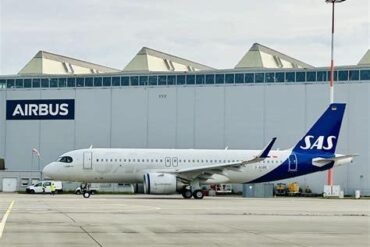
Scandinavian Airlines (SAS) has completed the installation of Starlink satellite connectivity across all 81 Airbus A320neo aircraft, finishing the ambitious rollout in just six months. The milestone gives passengers and crew access to high-speed, low-latency internet across one of the airline’s most important aircraft families.
The rollout began in March 2026, when SAS introduced Starlink on selected aircraft. Rather than treating the project as a long-term fleet upgrade, the airline moved quickly to equip its entire A320neo fleet, making the aircraft type the first in the SAS fleet to receive complete Starlink coverage.
The significance extends beyond passenger convenience. The Airbus A320neo represents approximately 70% of SAS’s fleet, meaning the completed installation immediately places satellite connectivity on the majority of the airline’s aircraft. For a carrier whose European network depends heavily on narrowbody operations, that gives Starlink a particularly broad impact.
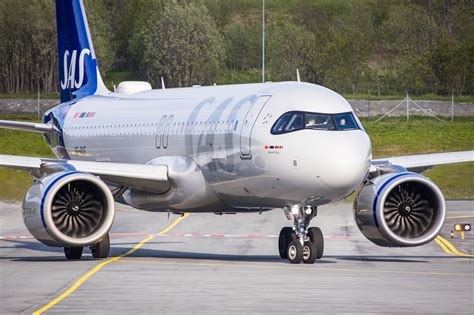
SAS Starlink Installation Finished in Just Six Months
Completing the installation on 81 aircraft in six months required SAS to integrate the work into normal airline operations. Aircraft were periodically taken out of service for the installation and subsequent testing before returning to scheduled flights, allowing the carrier to continue operating its network while progressively upgrading the fleet.
The result is significant because Starlink connectivity is now available throughout SAS’s entire A320neo fleet, rather than being restricted to a small group of aircraft. Passengers can use the connection for activities that traditionally have been difficult on aircraft Wi-Fi, including streaming, cloud-based work, communication and other bandwidth-intensive applications.
Paul Verhagen, SAS Executive Vice President and Chief Commercial Officer, described the completion as a record-time achievement. He emphasized that staying connected has become an ordinary part of daily life, and that expectation increasingly extends to the time passengers spend onboard an aircraft.
For SAS, the attraction of Starlink is therefore not simply faster internet. The airline is positioning gate-to-gate connectivity as an important part of the passenger experience, giving travelers greater freedom over how they use their time during a journey.
Why Starlink Matters on SAS’s European Network
The practical value of the upgrade becomes clearer when considering the role of the A320neo in SAS operations. These aircraft form the backbone of the airline’s European network, serving a large number of routes where passengers increasingly expect reliable digital connectivity.
Traditional inflight internet systems can face limitations involving bandwidth, latency or coverage. Starlink uses a low Earth orbit satellite network, allowing aircraft to maintain a high-speed connection with comparatively low latency. That difference can be particularly noticeable when passengers attempt to use services that require more responsive connections.
For business travelers, the ability to access cloud applications and remain in contact with colleagues can make an ordinary flight more productive. Leisure passengers can stream entertainment, browse the internet or communicate with people on the ground without being as constrained by conventional onboard connectivity.
The system can also provide benefits for SAS employees. Reliable connectivity can support access to operational information, weather data and updated flight-related information, potentially giving crews another useful digital resource while aircraft are airborne.

EuroBonus Members Get Free Access
One of the most notable passenger benefits is the availability of free Starlink access for SAS EuroBonus members. That makes the technology more than an optional premium feature and gives the airline an additional way to strengthen the value of its frequent-flyer program.
The ability to work, stream content and stay in contact while flying can materially change the experience of a European flight. Even relatively short sectors can become more useful when passengers do not have to disconnect from their normal digital routines.
For SAS, offering connectivity through its loyalty ecosystem also creates a natural incentive for frequent travelers to remain engaged with EuroBonus. As inflight Wi-Fi becomes increasingly common across major airlines, the quality and accessibility of that service can become another factor influencing passenger choice.
SAS Plans to Expand Starlink Beyond the A320neo
Completing the A320neo project does not mark the end of SAS’s Starlink ambitions. The airline plans to continue installing the technology on other aircraft types through the end of 2026, extending connectivity beyond its largest narrowbody fleet.
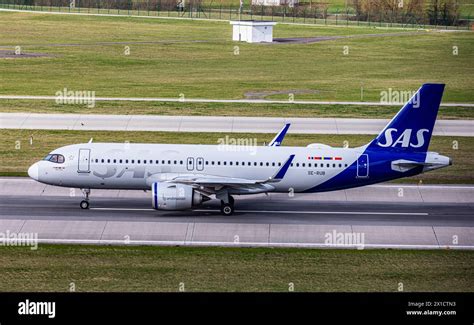
SAS operates a diverse fleet that includes the Airbus A319, A320, A321neo, A330, A350, ATR 72, Boeing 737-700 and Bombardier CRJ families. With 94 aircraft identified as active in the referenced fleet data, the completed A320neo installation represents a substantial first step rather than the final stage of the airline’s connectivity strategy.
The timing is also symbolic. SAS is celebrating its 80th anniversary, making the rapid deployment of Starlink part of a broader story about an airline combining its long operational history with newer aviation technology.
A Wider Airline Shift Toward Satellite Wi-Fi
SAS is not alone in accelerating the adoption of Starlink. Airlines including airBaltic, United Airlines, Hawaiian Airlines, Qatar Airways, Emirates, Air France, WestJet and Arajet have introduced or activated Starlink connectivity, while other major airline groups have announced future deployments.
That growing adoption suggests that high-quality internet is gradually shifting from a differentiating luxury toward a standard expectation. SAS’s rapid six-month A320neo rollout illustrates how quickly airlines can respond when connectivity becomes a strategic priority.
For passengers flying SAS, the immediate result is straightforward: 81 A320neos now offer Starlink, transforming connectivity across the aircraft that underpin much of the carrier’s European operation. The next question is how quickly the remaining SAS fleet will follow.