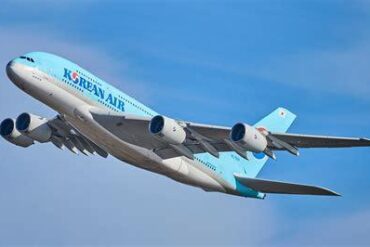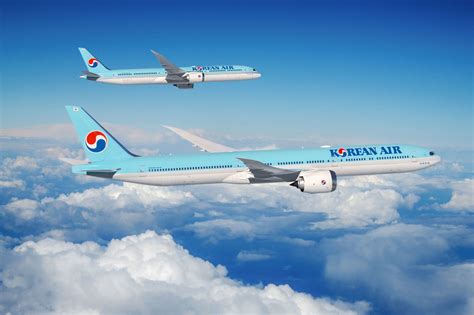
Korean Air is finally stepping into the modern connectivity era, announcing that it will introduce free Starlink Wi-Fi across its full fleet. After years of offering little to no onboard internet, the airline is preparing for one of the most significant digital upgrades in its history—an upgrade that will extend to the wider Korean Air Group, including Asiana Airlines, Jin Air, Air Busan, and Air Seoul.
This development marks a watershed moment in South Korean aviation. The country is known globally for cutting-edge broadband infrastructure, yet its flagship airline remained a glaring outlier in the skies. With Starlink now selected as the unified connectivity solution, the carrier is set to bypass outdated satellite systems entirely and jump straight into top-tier, low-latency global internet.
Full-Scale Starlink Deployment Across Five Carriers
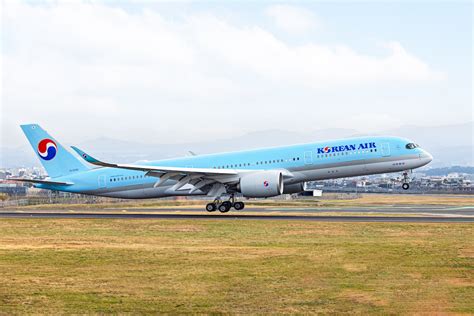
The timeline for Starlink’s implementation spans just over a year from the project’s start. The first aircraft equipped with SpaceX’s broadband technology are expected to enter service as early as Q3 2026. Once installations begin, Korean Air and Asiana will prioritize their flagship long-haul fleets—specifically the Boeing 777-300ER and Airbus A350-900—ensuring that intercontinental travelers see the benefits first.
The full retrofit for both long-haul and short-haul aircraft is projected to conclude by the end of 2027. When complete, every passenger stepping onto a Korean Air Group aircraft, regardless of route or cabin class, will have gate-to-gate access to high-speed, high-capacity Wi-Fi.
Why Starlink Matters: A Long-Overdue Upgrade
Until 2023, Korean Air did not offer Wi-Fi on any of its aircraft—a rarity among global network carriers. Even now, after cautiously introducing connectivity on select new deliveries, the vast majority of its fleet remains offline. The explanation historically offered by leadership was surprising, yet telling: existing Wi-Fi technologies were considered too slow to meet Korean customers’ expectations, given the country’s exceptionally fast ground-based internet.
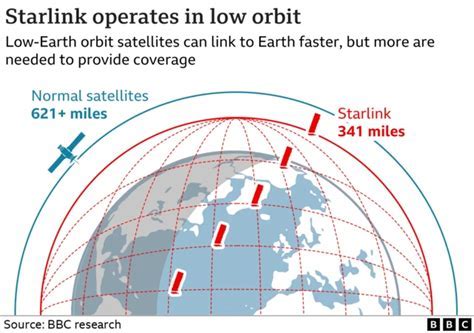
Starlink changes that calculus entirely. With its low-Earth-orbit satellites delivering fast, low-latency coverage, the technology finally meets the performance threshold Korean Air long held as a prerequisite. The new service will support activities that were previously impractical onboard—live streaming, real-time video calls, gaming, and high-speed uploads—mirroring the digital freedom passengers enjoy on the ground.
This move also positions Korean Air competitively alongside major global carriers already embracing Starlink, including Emirates, Qatar Airways, United, Virgin Atlantic, Air France, and Air New Zealand. For passengers accustomed to South Korea’s advanced tech ecosystem, this long-delayed upgrade is not just welcome—it is transformative.
A Multi-Airline Connectivity Transformation
The announcement is not limited to Korean Air alone. The Starlink commitment spans:
- Korean Air
- Asiana Airlines
- Jin Air
- Air Busan
- Air Seoul
By standardizing across the group, the rollout ensures a consistent passenger experience—an unusual but highly strategic move in an industry where subsidiaries often lag far behind their parent carriers in technology adoption. This unified approach will place the entire Korean Air Group among the world’s most connected airline networks.
What This Means for Passengers
The shift from a fleet largely without Wi-Fi to one offering free, high-speed Starlink represents one of the most dramatic connectivity upgrades of any major airline worldwide. Passengers will finally be able to stay consistently connected throughout long-haul flights, conduct business without interruption, and enjoy digital entertainment without buffering.
For travelers who have long wondered why South Korea’s flagship airline had fallen behind on inflight Wi-Fi, the 2026–2027 Starlink rollout offers a decisive answer: the airline was waiting for technology capable of meeting its national tech standard—and now it has arrived.
Looking Ahead
Korean Air’s decision signals a significant shift in the airline’s service philosophy. After years of limited inflight connectivity, the company is committing to one of the most ambitious Wi-Fi upgrades in global aviation. As the rollout begins in 2026, passengers can look forward to a future where a Korean Air boarding pass guarantees top-tier, globally accessible inflight internet.
The era of Korean Air flying offline is finally coming to an end, and for millions of travelers, that shift cannot come soon enough.