American Airlines is reportedly preparing to extend free onboard Wi-Fi across its entire widebody fleet, a move that would mark a decisive break from the carrier’s long-standing, cautious approach to in-flight connectivity. If implemented, the plan would bring complimentary internet access to Boeing 777 and Boeing 787 Dreamliner aircraft operating long-haul international routes, reshaping the passenger experience on some of the airline’s most important services. The development emerged from an internal employee meeting and points to a broader digital strategy now taking shape inside the airline.
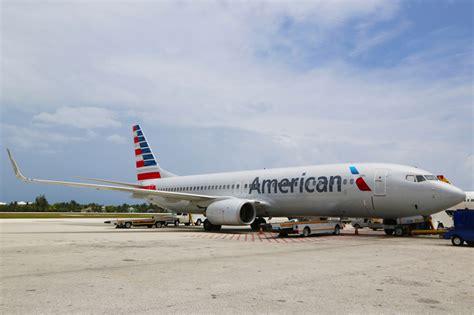
The reported expansion follows closely on the heels of American’s January launch of free, ad-supported high-speed Wi-Fi for AAdvantage members, sponsored by AT&T. That rollout immediately made headlines because it covered more aircraft than any other airline worldwide, yet it was largely confined to narrowbody jets flying domestic and short-haul routes. Widebody aircraft, which form the backbone of American’s intercontinental network, were notably absent from the initial phase.
That omission now appears temporary. Internal discussions suggest American is actively planning to close the gap, aligning its long-haul product more closely with rivals that already treat connectivity as a standard amenity rather than a paid extra. For passengers accustomed to paying double-digit fees to stay connected over oceans, the change would be dramatic.
What Is Known About the Widebody Wi-Fi Expansion
Details of the widebody Wi-Fi plan surfaced during a leaked internal meeting, first reported by aviation industry observers. While American has not issued a public confirmation or timeline, the discussion reportedly framed free Wi-Fi as part of a wider passenger-experience initiative. Alongside connectivity, executives referenced potential lounge upgrades and new onboard food partnerships, signaling a coordinated effort to elevate the airline’s premium perception.
The timing is significant. American only just reversed years of monetizing Wi-Fi by introducing complimentary access on select aircraft in early 2026. By moving so quickly toward a fleet-wide expansion that includes long-haul jets, the airline appears determined to accelerate its digital transformation rather than test the concept cautiously. For international travelers, this would eliminate one of the most common inconsistencies between American’s domestic and long-haul offerings.
Why Free Wi-Fi on Long-Haul Jets Matters
Free Wi-Fi on widebody aircraft carries far more weight than on short domestic hops. Long-haul passengers spend hours onboard, often needing reliable connectivity for work, messaging, and cloud-based entertainment. For years, American charged for this access, with prices typically starting around $10 and rising for longer sessions or subscriptions. That approach increasingly looked outdated as competitors moved in the opposite direction.
The technical challenge is substantial. Unlike narrowbody aircraft that rely on relatively inexpensive air-to-ground systems, widebody jets depend almost entirely on satellite connectivity. Bandwidth costs are higher, coverage is more complex, and performance expectations are less forgiving on flights lasting ten hours or more. Choosing to absorb those costs through sponsorship rather than passenger fees signals a meaningful strategic shift.
AT&T’s involvement is central. By underwriting the service, the telecom giant allows American to treat connectivity as an engagement platform rather than a revenue line item. In return, American gains a powerful differentiator on international routes where digital amenities increasingly influence airline choice.
How the Widebody Fleet Fits Into the Strategy
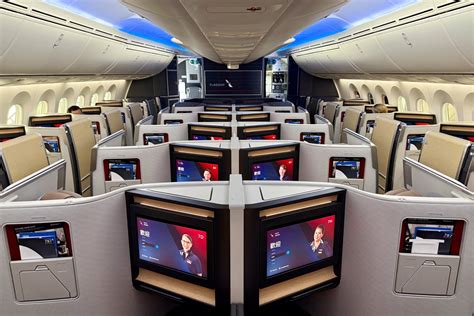
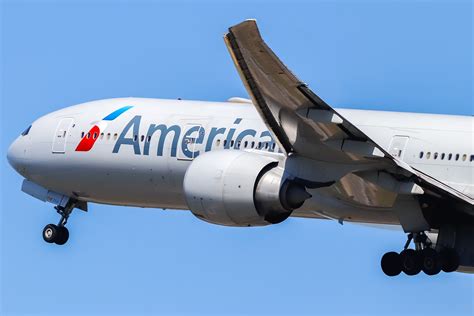
American Airlines operates a diverse widebody fleet that would immediately benefit from free Wi-Fi. The Boeing 777-200 and 777-300ER handle many of the airline’s highest-density international routes, while the Boeing 787-8 and 787-9 Dreamliners serve long-haul markets where fuel efficiency and passenger comfort are critical. Together, these aircraft support American’s transatlantic, transpacific, and premium transcontinental operations.
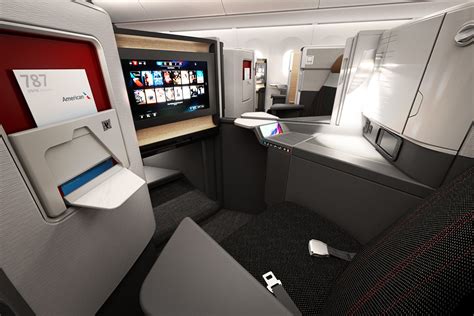
The average age of the fleet varies widely, from older 777-200s to relatively young 787-9s that already feature refreshed cabins and modern business-class seats. Adding free Wi-Fi across all these aircraft would help standardize the onboard experience, reducing the perception gap between newer and older jets. For frequent flyers, consistency often matters as much as seat design or catering.
Competitive Pressure and Passenger Expectations
Industry data consistently shows that airlines offering complimentary connectivity see higher usage rates and stronger customer satisfaction scores. Delta Air Lines and JetBlue have spent years conditioning passengers to expect free Wi-Fi, particularly in premium cabins. American’s January rollout acknowledged that reality, and a widebody expansion would complete the pivot.
For corporate travel buyers, the implications are notable. Reliable, free connectivity is increasingly viewed as essential for productivity on long-haul flights. By removing the paywall, American strengthens its position in negotiations with corporate clients and global alliance partners, especially on routes where multiple carriers compete head-to-head.
What This Signals for American Airlines Going Forward
Free widebody Wi-Fi would likely be just the foundation. Once connectivity becomes universal, it opens the door to real-time onboard commerce, personalized content delivery, and improved operational communications. From targeted entertainment recommendations to seamless loyalty engagement, the digital possibilities extend well beyond basic internet access.
Although American has yet to publicly confirm the plan, internal momentum suggests the question is no longer whether free Wi-Fi will reach long-haul flights, but how quickly. Coming so soon after the initial narrowbody rollout, the reported expansion underscores a carrier moving faster than many expected. If executed as described, American Airlines would join a small group of global legacy airlines offering one of the most comprehensive complimentary connectivity experiences in the sky, redefining expectations for long-haul travel in the process.