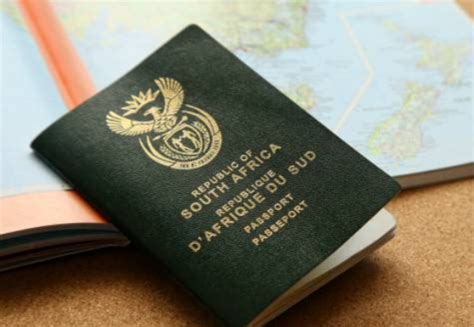
As of September 2025, South Africa is set to unite with the United Kingdom, Canada, South Korea, Russia, Thailand, Australia, and New Zealand by implementing mandatory Electronic Travel Authorizations (ETAs). This monumental shift signifies the end of an era characterized by visa-free travel for many international tourists, particularly those from visa-exempt countries, including the United States. With governments around the world tightening their border controls and enhancing immigration processes, the introduction of ETAs marks a pivotal transition in how travelers will approach their journeys abroad.
The adoption of ETAs is not merely a procedural change; it represents a significant transformation in global travel dynamics. As nations strive for more robust border management systems, the spontaneity that once defined international travel is gradually giving way to a structured framework that necessitates pre-approval before boarding a flight. For travelers, this means planning ahead and securing the necessary electronic permissions, a move that aims to streamline entry processes while bolstering security measures.
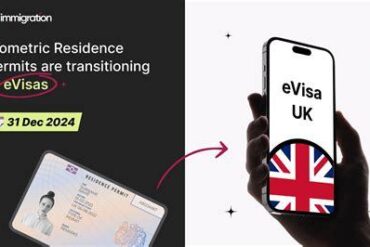
In the United Kingdom, the rollout of ETAs has already begun, with a two-year digital pass available for travelers from select countries since 2024. By early 2025, this requirement will extend to all non-visa nationals, including Americans. The UK ETA is valid for up to two years or until the passport expires, allowing multiple entries for stays of up to six months at a time. Currently priced at sixteen British pounds (approximately twenty U.S. dollars), this digital authorization is part of a broader effort to modernize the travel experience and enhance border security.
Similarly, Canada has been utilizing an eTA system since 2016. While U.S. citizens are currently exempt, travelers from other visa-exempt countries must secure this authorization before flying into Canada. The application process is designed to be straightforward, with approvals typically received via email within minutes. Valid for five years or until passport expiration, the Canadian eTA costs only seven Canadian dollars (about five U.S. dollars), making it an affordable option for travelers despite marking the end of automatic entry for millions.
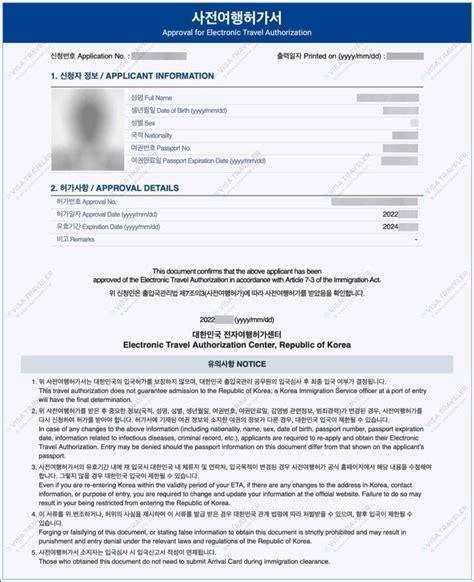
South Korea was among the first to adopt mandatory ETAs with the introduction of its K-ETA in 2021. This system requires travelers from numerous visa-waiver countries to submit personal information and travel plans online. The fee for the K-ETA is around ten thousand Korean won (approximately seven to eight U.S. dollars), and it remains valid for two years, allowing stays of up to ninety days. The efficiency of South Korea’s system has set a precedent, influencing other nations in Asia to consider similar frameworks.
On the other hand, Russia is preparing to enforce its version of an ETA starting June 2025. Unlike its counterparts, Russia’s digital visa will not be free or multi-use. Travelers will need to apply for each individual trip, incurring a cost estimated at forty U.S. dollars—one of the highest fees among ETA-issuing nations. Valid for up to sixty days from approval and limited to a single entry, this move reflects Russia’s intention to modernize its border control practices.
Thailand is taking a more lenient approach to its new ETA system, currently piloting the program without charging any fees. Expected to be fully implemented by mid-2025, this initiative allows travelers to apply for a single-use ETA, which they will need to renew for each subsequent trip. By initially offering this service free of charge, Thailand aims to balance the need for traveler screening with the desire to promote tourism.
In contrast, Australia has long been a pioneer in the use of ETAs, having established a mobile-first system for travelers from select countries. Known as subclass 601, the Australian ETA can be conveniently applied for via a mobile app, costing twenty Australian dollars (approximately thirteen U.S. dollars). Valid for twelve months, the ETA permits multiple short-term visits, each lasting up to ninety days, making it a popular choice among international visitors.
New Zealand introduced its NZeTA in 2019, but with an added layer of expense due to the International Visitor Conservation and Tourism Levy. The total cost can exceed seventy U.S. dollars, positioning it as one of the most expensive ETA systems globally. Travelers must pay seventeen New Zealand dollars when applying via mobile app or twenty-three dollars online, in addition to a one-time levy of one hundred New Zealand dollars. Despite the high costs, the NZeTA remains valid for two years, allowing multiple entries for stays of up to ninety days.
For American passport holders and other visa-free tourists, South Africa’s forthcoming ETA requirement is a significant marker of change. It signals a departure from the convenience of passport-only travel and reflects a larger global trend towards enhanced border security through digital pre-screening. Although the specifics of South Africa’s ETA system are yet to be finalized, it is anticipated to feature a streamlined digital application process, rapid email approvals, and a scannable QR code linked to travelers’ passports. With fees likely to be modest, perhaps under twenty U.S. dollars, the system may offer multi-entry options or extended validity periods, although these details remain speculative.
As South Africa joins the ranks of the United Kingdom, Canada, South Korea, Russia, Thailand, Australia, and New Zealand in mandating ETAs, it underscores the reality that the age of effortless travel is being replaced by a new norm where digital permissions and pre-approvals are essential for crossing borders. Travelers must adapt to this evolving landscape, recognizing that the convenience once associated with visa-free entry is diminishing. In a world where spontaneous travel is becoming increasingly rare, the message is clear: if you plan to travel tomorrow, you’ll need to apply today. As the global community embraces this shift, the era of passport-only travel appears to be on the brink of extinction, ushering in a new chapter of travel defined by digital authorizations and heightened security measures.