The Association of Southeast Asian Nations (ASEAN) is witnessing an unprecedented tourism boom, led by countries including Indonesia, Malaysia, the Philippines, Singapore, Thailand, Vietnam, Brunei, Cambodia, Laos, Myanmar, and Timor-Leste. The key driver? Strategic visa-free travel policies that have made it easier than ever for travelers to explore the region — while simultaneously outpacing the increasingly restrictive Schengen visa framework of Europe.
This powerful shift in regional travel dynamics is transforming Southeast Asia into a global tourism hotspot, leveraging policy alignment, technological innovation, and massive infrastructure investments to welcome a wave of regional and global tourists.
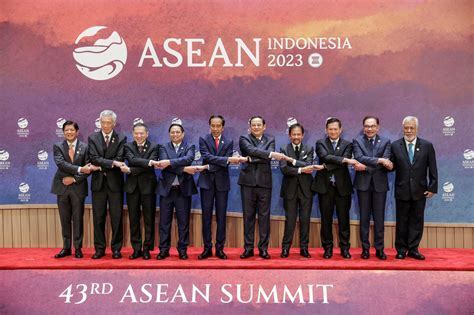
Visa-Free Travel Redefines ASEAN’s Tourism Landscape
Intra-ASEAN travel has grown into a backbone of the regional tourism economy, with statistics showing a remarkable increase from 47% of total tourist arrivals in 2010 to over 60 million intra-ASEAN visitors in 2022. The momentum continued in 2024 with a 30.6% increase in arrivals, reaching an estimated 123 million travelers across the bloc, as reported by the US-ASEAN Business Council.
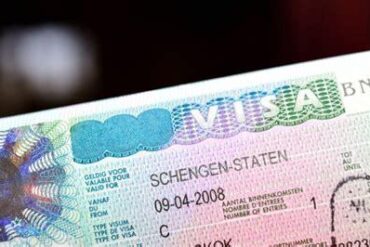
This transformation is not incidental—it stems from deliberate, multilateral coordination across ASEAN states to eliminate visa requirements, simplifying movement for both leisure and business travelers. By contrast, the Schengen Area’s strict visa policies have created bureaucratic hurdles, turning away many Southeast Asian tourists.
Foundational Vision: From the Manila Declaration to Modern Strategy
The roots of ASEAN’s tourism unity go back to the 1987 Manila Declaration, in which founding members committed to fostering a competitive, integrated regional tourism industry. Today, with 10 member states and Timor-Leste on the path to full membership, that vision has evolved into a comprehensive tourism strategy branded under the slogan “Feel the Warmth.”
Tourism now contributes as much as 12% of GDP in some ASEAN economies, and visa-free access is catalyzing deeper regional cooperation, economic integration, and people-to-people connectivity. These policies are also increasingly vital as Southeast Asians look inward for travel opportunities amid external geopolitical and visa-related uncertainties.
Cross-Border Mobility and Low-Cost Connectivity Fuel Growth
The ASEAN travel surge is also propelled by practical advancements in transportation and accessibility. Enhanced land transport agreements, low-cost airline networks, and multi-destination travel passes have dramatically lowered the financial and logistical barriers to exploring neighboring countries.
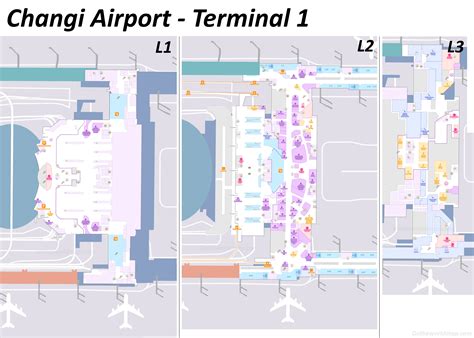
Singapore has solidified its position as a regional air travel nexus, with top routes connecting the city-state to Malaysia, Indonesia, and Thailand. These routes are experiencing booming demand, contributing to a strong aviation recovery across the bloc.
Foreign Direct Investment Powers a Tourism Renaissance
Between 2019 and 2023, ASEAN attracted 1,943 tourism-related foreign direct investment (FDI) projects, totaling $106.7 billion and creating more than 259,000 jobs, according to data from fDi Markets. These investments range from eco-resorts and cultural centers to smart infrastructure, especially in Thailand, Vietnam, and the Philippines.
Though pre-pandemic highs haven’t been fully regained, investor optimism remains strong. Many governments are prioritizing airport privatizations, transit-oriented developments, and digitally integrated travel experiences, signaling a future-proofed direction for regional tourism.
Digital Tools and Evolving Traveler Behavior
Digitalization has reshaped how ASEAN residents and foreign visitors approach travel. Platforms like Airbnb and Agoda report surges in regional bookings, driven by real-time planning tools, mobile-first campaigns, and personalized itinerary apps. Google trends indicate seasonal spikes during cultural holidays such as Songkran, Ramadan, and Lunar New Year, pointing to a preference for immersive experiences tied to local customs.
Today’s travelers are increasingly seeking authentic, cultural, and sustainable adventures over packaged tours. This trend is magnified by the influence of social media content, with TikTok and Instagram playing pivotal roles in destination discovery and travel planning.
A Surge in Solo, Group, and Long-Stay Tourism
Travel behavior is undergoing a structural transformation. ASEAN countries have seen a 260% increase in solo travelers, a 300% rise in group travel, and a 250% jump in long-stay visits—especially among digital nomads, retirees, and remote workers.
The appeal of affordable living, rich culture, and modern digital infrastructure makes Southeast Asia particularly attractive for extended stays. Countries like Vietnam and Thailand are capitalizing on this trend by promoting long-term digital nomad visas and lifestyle-based migration policies.
The Aviation Sector Rebounds with Intra-ASEAN Growth
By late 2023, ASEAN airlines had restored 90% of their pre-COVID capacity, according to the Asian Development Bank (ADB). Key carriers such as Singapore Airlines, Vietnam Airlines, and Cebu Pacific are expanding regional routes and upgrading fleets to meet surging demand.
Major tourism destinations are also scaling up operations. In 2024 alone:
- Thailand welcomed 35 million tourists
- Malaysia reported 22.5 million arrivals
- Vietnam recorded 17.5 million
- The Philippines received 14 million visitors
These figures underscore the resilience and appeal of ASEAN tourism, which continues to grow beyond recovery into sustained expansion.
Pushing Tourism Beyond Capital Cities
A major focus for the future is expanding travel beyond urban centers. Policymakers and tourism boards are promoting secondary cities and rural areas as new growth zones. The ADB advocates for better transport corridors connecting smaller destinations across borders.
For instance, the Philippines’ airport privatization plan—beginning with Manila and Bohol—is designed to modernize outdated infrastructure and facilitate access to lesser-known but equally captivating locales. This decentralization strategy opens up new cultural circuits and ecological experiences.
ASEAN vs. Schengen: A Tale of Two Policies
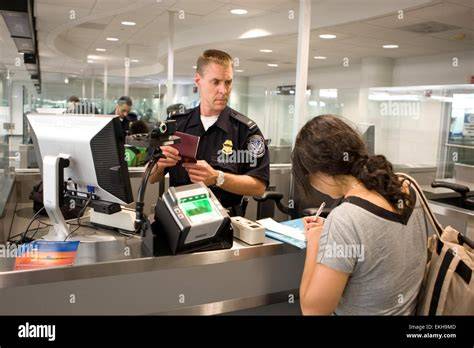
The comparative flexibility of ASEAN travel policies stands in stark contrast to the rigidity of Schengen visa requirements. High rejection rates, long processing times, and complex documentation have discouraged many Southeast Asians from traveling to Europe.
ASEAN’s strategic move toward borderless regional travel not only makes the region more accessible but also enhances its appeal to global travelers looking for seamless multi-country experiences without bureaucratic red tape.
Building a Unified, Resilient Tourism Identity
ASEAN’s collaborative approach is more than a convenience—it represents a shared regional identity centered on cultural diversity, economic resilience, and mutual respect. Through tourism, the region is fostering unity and generating long-term value.
From the ancient temples of Cambodia to the street food alleys of Penang, the coral reefs of Timor-Leste to the highlands of Laos, ASEAN is proving that open borders and shared growth can redefine what global tourism looks like in the 21st century.
As digital tools, investment flows, and policy innovations converge, ASEAN is on course to become one of the world’s most traveler-friendly, experience-rich regions, redefining the future of tourism through inclusivity, accessibility, and innovation.