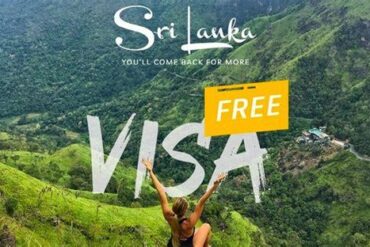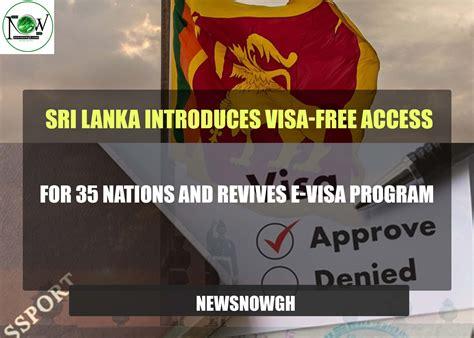
Sri Lanka has embarked on a transformative initiative aimed at boosting its tourism industry by extending free tourist visa access to 40 countries, including prominent markets such as the US, Canada, UK, Australia, Thailand, and India. This strategic decision, announced in July 2025, is a continuation of the successful policy that was initially launched in March 2023, which provided visa-free entry to travelers from seven nations, including China, India, Indonesia, Russia, Thailand, Malaysia, and Japan. By broadening the scope of this program, Sri Lanka aims to position itself as a more attractive travel destination on the global stage, enhancing its appeal to international tourists and stimulating significant economic growth.
The expansion of this visa-free scheme aligns with the Sri Lankan government’s efforts to revitalize its economy following the setbacks caused by the COVID-19 pandemic, which heavily impacted the global travel industry. By waiving visa fees for tourists from these key countries, Sri Lanka is poised to increase foreign visitor numbers, thereby generating higher local revenue and reinforcing its status as a leading tourism hub in South Asia. The government anticipates that this influx of visitors will not only benefit the tourism sector but also provide a much-needed boost to various local industries, including hospitality, retail, and transport.
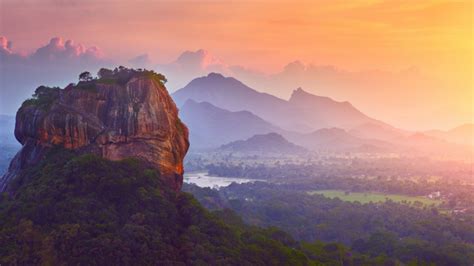
The newly expanded list of eligible countries includes some of the world’s most important travel markets. By targeting travelers from the United States, Canada, Pakistan, Iran, the UAE, and Australia, the Sri Lankan government is making a deliberate effort to attract a diverse range of visitors. This initiative is expected to dramatically increase the number of international tourists, who are drawn to the country’s rich cultural heritage, stunning landscapes, and warm hospitality.
The initial rollout of the free visa program had already shown promising results, demonstrating that easing travel restrictions can lead to increased tourist arrivals. The government’s bold economic strategy involves accepting a projected loss of approximately USD 66 million annually in visa fees; however, the anticipated long-term benefits far outweigh this short-term sacrifice. An increase in tourists translates into greater spending across multiple sectors, including hotels, restaurants, travel agencies, and local services. Each additional visitor contributes not just through direct spending but also stimulates local employment opportunities and increases income for many small businesses that cater to tourists.
Moreover, the expansion of the free visa program is aligned with Sri Lanka’s vision for sustainable tourism. The government recognizes the importance of balancing tourism growth with environmental preservation and cultural integrity. Initiatives are underway to promote eco-friendly accommodations and responsible tourism practices that support local communities. By incorporating locals into tourism activities, the government aims to create a more inclusive tourism model that benefits both visitors and residents alike.
In addition to promoting sustainable tourism, enhancing infrastructure is a crucial aspect of this initiative. The Sri Lankan government is committed to improving transportation networks, expanding road access to remote regions, and upgrading airport facilities to accommodate a higher volume of international visitors. These improvements will ensure that tourists experience a seamless travel journey, encouraging them to explore the island’s breathtaking landscapes and rich history.
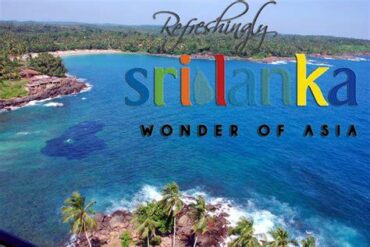
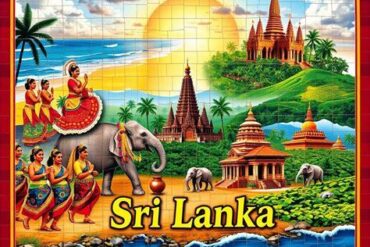
With the introduction of the extended free visa policy, Sri Lanka is strategically positioning itself as an accessible destination for a diverse array of travelers. The inclusion of western markets, such as the United States and United Kingdom, combined with key sources of tourists from countries like Australia, Canada, and the UAE, underscores the government’s intent to broaden its appeal. Sri Lanka boasts a variety of attractions, from pristine beaches and lush tea plantations to UNESCO World Heritage sites and vibrant cultural festivals, making it an enticing destination for those seeking both adventure and relaxation.
As tourism begins to recover globally, Sri Lanka stands ready to welcome visitors with open arms. The anticipated surge in tourist numbers is expected to significantly enhance the country’s profile as a travel destination, leading to a sustainable increase in long-term visitation. This proactive approach not only aims to revitalize the economy but also positions Sri Lanka as a leading player in the competitive tourism market in Asia.
While the immediate impact of the visa fee waiver may present challenges, the long-term economic benefits are likely to far exceed these initial concerns. With the influx of international tourists, Sri Lanka is set to strengthen its foreign exchange earnings and promote its cultural heritage on a global scale. As travelers discover the unique offerings of this beautiful island nation, the prospects for sustained tourism growth appear promising.
In conclusion, the extension of Sri Lanka’s free tourist visa policy to forty countries marks a significant milestone in the country’s efforts to rejuvenate its tourism sector. By opening its doors to a broader international audience, Sri Lanka encourages more visitors to immerse themselves in its natural beauty, vibrant culture, and rich heritage. This strategic move not only enhances the country’s global appeal but also instills hope within the tourism industry for a prosperous future, ensuring that Sri Lanka remains a top travel destination in Asia.