Sri Lanka’s tourism industry is witnessing a remarkable renaissance in 2025, marking one of the most impressive recoveries in the global travel sector. By April, the island nation had welcomed over 10.5 lakh international visitors, a surge that highlights the country’s strategic revival of its tourism infrastructure and marketing outreach. India, Russia, and the United Kingdom stand out as the primary sources of this influx, contributing significantly to Sri Lanka’s burgeoning visitor numbers and reaffirming the island’s status as a premier global destination.
The steady rise in arrivals is driven in part by Sri Lanka’s unique combination of cultural richness, affordability, and proximity—factors that resonate deeply with Indian tourists in particular. Indian nationals continue to dominate, with 210,074 visitors recorded by April. Russia follows with 110,818 arrivals, while the United Kingdom contributes 98,158 tourists. The diversity and scale of these numbers reflect not only the island’s broadening international appeal but also the effectiveness of its post-pandemic tourism strategy.
As May unfolded, Sri Lanka’s momentum showed no signs of slowing. The island recorded 132,919 international arrivals, representing an impressive 18.5% increase compared to the same month in 2024. This growth extended into June, where the first five days alone brought in 21,293 visitors. India continued to lead with 6,014 arrivals, making up 28.2% of total visitors, followed by smaller but notable contingents from the UK, China, and Bangladesh. This sustained increase signals a robust and resilient tourism sector that has adapted and thrived despite past global disruptions.
Key Drivers Behind Sri Lanka’s Tourism Boom
Several core factors have underpinned this resurgence. For Indian travelers, Sri Lanka’s geographic proximity—just a few hours by air—combined with deep cultural and historical connections, makes it a natural choice for both short getaways and longer vacations. Affordable flight options, accommodation for all budgets, and cuisine that aligns with regional preferences further solidify the island’s popularity.
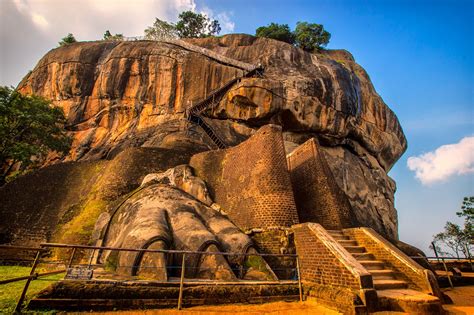
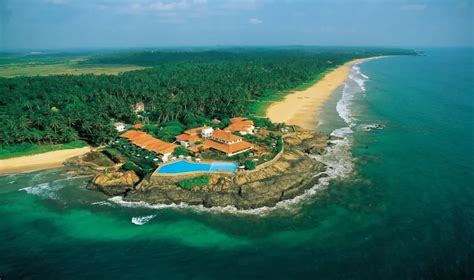
Sri Lanka’s iconic landmarks have played a pivotal role. The Sigiriya Rock Fortress, a UNESCO World Heritage Site, continues to captivate with its ancient frescoes and panoramic views. Similarly, the Temple of the Tooth in Kandy, one of the most sacred Buddhist sites globally, attracts pilgrims and history enthusiasts alike. Beyond cultural treasures, Sri Lanka’s pristine beaches at Mirissa, Bentota, and Unawatuna, and its breathtaking wildlife experiences in Yala and Udawalawe national parks, present a diverse portfolio that appeals to all kinds of travelers.
Indian Travelers: The Pillar of Sri Lanka’s Revival
Indian tourists have emerged as a critical pillar of Sri Lanka’s tourism revival. The combination of affordability, convenience, and cultural resonance means that Sri Lanka consistently ranks as a top choice for Indian visitors seeking both leisure and spiritual fulfillment. Sri Lanka’s luxury resorts, wellness retreats, and Ayurvedic centers are increasingly favored by Indian travelers, many of whom are looking for rejuvenation through yoga and traditional therapies.
Notably, Sri Lanka’s appeal spans a wide demographic of Indian tourists. Families, solo travelers, honeymooners, and senior citizens alike are drawn to the island’s welcoming atmosphere and tailored travel experiences. Religious tourism, especially visits to Buddhist and Hindu sacred sites, continues to see steady growth. Meanwhile, wellness tourism is carving out a significant niche, with visitors seeking holistic experiences that combine natural beauty with physical and spiritual renewal.
Russia and the UK: Strengthening the Island’s International Reach
Beyond India, Russia and the United Kingdom are proving crucial in diversifying Sri Lanka’s visitor base. Russian tourists are drawn to Sri Lanka’s year-round tropical climate, its vibrant beach resorts, and its reputation as a safe, affordable destination offering a blend of relaxation and adventure. The increase in direct flight connections from Russian cities has further boosted this trend.
Similarly, travelers from the UK continue to choose Sri Lanka for its rich colonial heritage, tea plantations, and wildlife safaris. British tourists appreciate the island’s combination of history, culture, and eco-tourism opportunities, which align with growing global trends toward sustainable travel. The presence of well-established tourism infrastructure, including boutique hotels and eco-lodges, enhances Sri Lanka’s appeal to the discerning British traveler.

Strategic Positioning and Infrastructure Growth
Sri Lanka’s tourism authorities have adopted a forward-looking strategy that positions the country as an attractive, accessible, and affordable destination across key global markets. The focus on India, Russia, China, the UK, and Bangladesh is not accidental; it reflects a deliberate effort to broaden the island’s international reach and reduce dependency on any single market. Aggressive promotional campaigns showcasing Sri Lanka’s cultural richness, natural beauty, and value-for-money proposition have paid dividends.
Improved international connectivity has been another catalyst. The introduction of new flight routes and increased flight frequencies from major source markets has removed previous travel barriers. Enhanced infrastructure—including new hotels, modern resorts, and upgraded transport networks—ensures that tourists enjoy a seamless experience from arrival to departure.
A Diverse Tourism Offering for Every Traveler
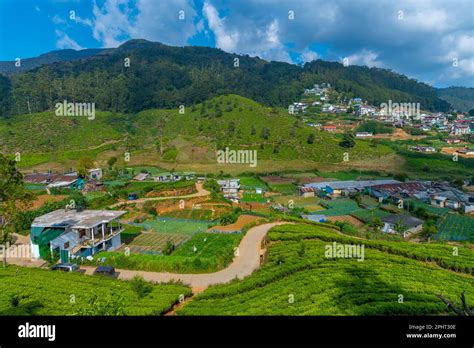
Sri Lanka’s all-encompassing tourism product is one of its greatest strengths. Culture seekers can immerse themselves in ancient cities like Anuradhapura and Polonnaruwa, or explore the colonial charm of Galle Fort. Nature lovers are drawn to the island’s lush tea plantations, rainforests, and wildlife sanctuaries, while adventure enthusiasts can enjoy activities ranging from surfing in Arugam Bay to scuba diving off Trincomalee.
The island is also becoming a hotspot for eco-conscious travelers. Sustainable tourism initiatives are gaining traction, with many resorts adopting eco-friendly practices and community-based tourism models that ensure local populations benefit directly from visitor spending. Sri Lanka’s rich biodiversity and commitment to conservation offer a compelling narrative for tourists eager to support ethical and sustainable travel.
A Bright Future for Sri Lanka’s Tourism Industry
Looking ahead, Sri Lanka’s tourism prospects in 2025 and beyond remain exceptionally positive. The island nation’s ability to adapt to evolving traveler preferences, invest in its infrastructure, and market itself effectively has set the stage for sustained growth. Indian travelers will continue to be a cornerstone, but the rising number of visitors from Russia, the UK, China, and Bangladesh points to a future where Sri Lanka’s tourism success is built on a diverse and resilient foundation.
The government’s focus on developing niche tourism segments, such as wellness, eco-tourism, and adventure travel, ensures that Sri Lanka can offer tailored experiences that meet a wide range of traveler expectations. With its unmatched natural beauty, deep cultural roots, and modern amenities, Sri Lanka stands out as a destination that promises authenticity, diversity, and unforgettable memories for all who visit.
In 2025, as the world continues to reconnect through travel, Sri Lanka exemplifies how a country can rise stronger, more vibrant, and more welcoming than ever before. The island’s resilience and dynamic approach position it as one of the most exciting tourism success stories of the decade, and a model for destinations seeking to thrive in a post-pandemic world.