
Thailand is witnessing an unprecedented surge in tourism from India, with over one million Indian visitors recorded by mid-2025. This extraordinary milestone reflects Thailand’s escalating appeal as a prime destination for Indian travelers, reaffirming its position as a favorite among international tourism hotspots. The momentum builds on the successes of 2024, when Thailand attracted over 35 million global tourists, including 2.1 million from India. The growing influx of Indian tourists not only highlights the vibrant bilateral tourism relationship but also underpins Thailand’s broader vision of fostering cultural exchanges and long-term engagement between the two nations.
The robust growth in Indian arrivals is rooted in Thailand’s dynamic ability to offer experiences that resonate across multiple traveler demographics. Whether it is the magnetic charm of Bangkok’s neon-lit streets, the tranquil allure of Phuket’s pristine beaches, or the spiritual serenity of Chiang Mai’s ancient temples, Thailand curates a unique blend of experiences that appeal to Indian visitors with diverse preferences. The country’s globally renowned culinary scene, which spans from humble street vendors dishing out pad thai to award-winning fine dining establishments, further enriches the appeal. Importantly, the affordability of travel in Thailand, combined with the promise of high-quality experiences, makes it a versatile option — catering to both budget-conscious adventurers and those seeking luxurious getaways.
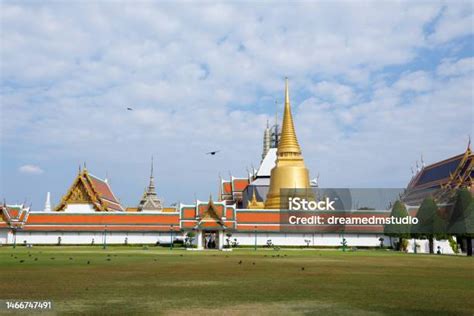
Thailand’s tourism boom among Indian travelers is significantly fueled by enhanced accessibility. Expanded air connectivity between major Indian cities and Thailand has made it easier than ever for travelers to embark on their Thai sojourns. Airlines have ramped up flight frequencies and seat capacities, responding to growing demand with direct routes not just from metros like Delhi, Mumbai, and Bengaluru, but increasingly from emerging urban centers. The introduction of the Thailand Digital Arrival Card (TDAC) has further streamlined travel, offering a seamless, tech-enabled entry process. Coupled with the visa exemption scheme that allows Indian nationals to stay for up to 60 days visa-free, these measures reflect Thailand’s proactive approach in simplifying travel logistics and enhancing the overall tourist experience.
A remarkable aspect of this tourism surge is the geographic diversification of outbound Indian travelers. While cities like Delhi and Mumbai have traditionally dominated outbound numbers, 2025 has seen significant traction from tier-two and tier-three cities. Urban hubs such as Surat, Rajkot, Nagpur, and Nashik are emerging as important sources of outbound tourism, with residents increasingly seeking out Thailand’s wellness retreats, luxury resorts, and personalized holiday experiences. This shift illustrates how Thailand’s appeal has expanded beyond the established urban elite to reach a broader spectrum of Indian society, signaling fresh opportunities for customized tourism products and regional marketing strategies.
Thailand’s dedication to deepening tourism ties with India is evident in its multi-faceted strategic initiatives. The Tourism Authority of Thailand (TAT) and its partners have rolled out tailored marketing campaigns, joint promotions, and roadshows across Indian cities, all designed to inspire longer stays and high-value experiences. These efforts are carefully aligned with Thailand’s overarching goal of promoting sustainable tourism, focusing on quality over quantity. By encouraging Indian travelers to engage in responsible tourism practices, discover off-the-beaten-path destinations, and immerse themselves in authentic local culture, Thailand ensures that tourism growth is meaningful and beneficial to both visitors and host communities.
The tourism renaissance has also produced significant economic and cultural dividends. The steady rise in Indian tourist arrivals is translating into increased revenue for Thailand’s hospitality, retail, transport, and entertainment sectors. Indian visitors are known to spend generously on shopping, fine dining, spa treatments, and adventure sports, boosting local economies, particularly in tourism-centric regions. Meanwhile, cultural exchange initiatives have intensified, with more festivals, art exhibitions, and educational programs being co-hosted by Thai and Indian institutions. These exchanges not only enrich mutual understanding but also lay the groundwork for stronger bilateral relations beyond tourism.

The implications of this surge extend far beyond Thailand’s borders. Thailand’s success in attracting a rising tide of Indian tourists serves as a model for other destinations seeking to capitalize on the burgeoning outbound Indian market. Key elements of this success include simplified entry protocols, targeted marketing, and superior connectivity, all of which have combined to create a frictionless travel experience. Destinations looking to enhance their share of Indian travelers could benefit from adopting similar strategies, focusing on ease of access and rich, varied experiences that align with Indian traveler aspirations.
This wave of tourism growth from India also underscores important lessons for the global travel industry. In an era where emerging markets are playing a more prominent role in shaping international travel trends, it is imperative for countries to diversify their tourism strategies, moving beyond reliance on traditional source markets. By recognizing the potential of cities beyond the primary metropolises and creating tourism products that cater to regional and cultural preferences, destinations can tap into vast, untapped pools of potential travelers.
The sustained upswing in Indian arrivals also aligns with Thailand’s broader commitment to responsible and sustainable tourism development. By prioritizing high-value travelers, investing in infrastructure that supports green tourism, and promoting destinations that are not saturated by mass tourism, Thailand is balancing growth with preservation. This ensures that while the tourism industry continues to contribute robustly to the national economy, it also protects the very assets — natural beauty, cultural heritage, and community integrity — that make Thailand so special.

In conclusion, Thailand’s ability to cross the one million Indian tourist mark within just six months of 2025 is more than a numerical achievement; it is a testament to the strength of bilateral tourism ties, the success of strategic initiatives, and the enduring magnetism of Thailand as a world-class destination. As the year progresses, this upward trajectory is expected to continue, setting new benchmarks and providing fresh impetus for innovation in Thailand’s tourism sector. The story of Thailand’s tourism surge is not just about visitor numbers — it is about how thoughtful planning, cultural sensitivity, and a commitment to excellence can transform a destination into a beacon for travelers from across the globe.