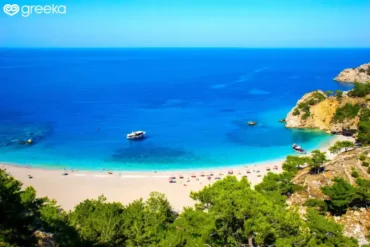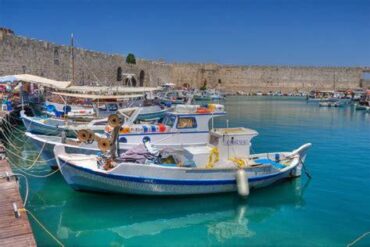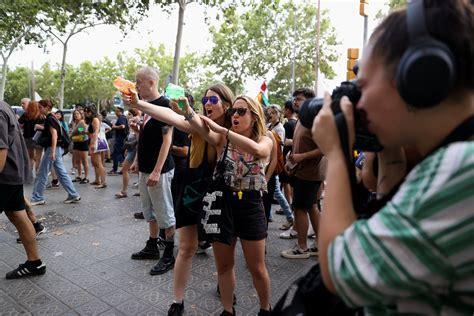
Spain’s idyllic islands and historic cities have long been a magnet for tourists, attracting millions annually to enjoy their sunny coasts, vibrant culture, and picturesque landscapes. However, this overwhelming influx of visitors has begun to place unbearable strains on local communities, fueling a wave of protests across popular destinations like Majorca, Ibiza, Barcelona, and the Canary Islands. Locals are voicing their anger over soaring housing prices, overcrowded streets, and the displacement of residents by short-term holiday rentals. As Spain’s tourism industry faces a critical crossroads, residents are demanding urgent changes to preserve their way of life and protect their fragile communities from further erosion.
The Impact of Mass Tourism on Local Communities
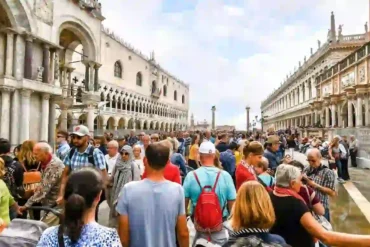
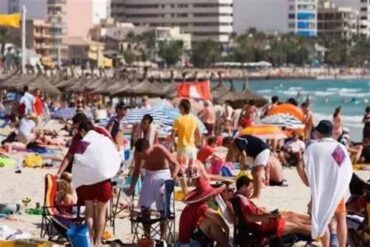
The tension between Spain’s thriving tourism industry and its local populations has never been more palpable. With over 80 million tourists visiting Spain each year, the once peaceful and tranquil areas that attracted visitors for their charm are increasingly becoming overcrowded hotspots. Major cities like Barcelona and islands such as Majorca and Ibiza, which have long been symbols of Spain’s cultural and natural beauty, are struggling to cope with the effects of mass tourism.
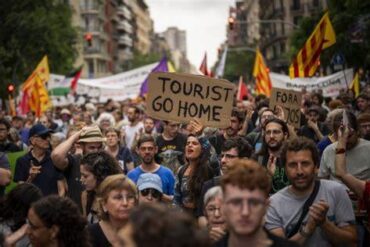
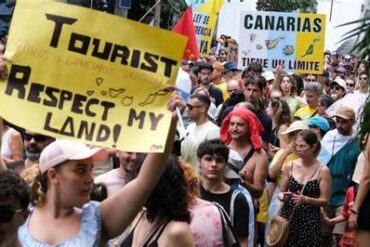
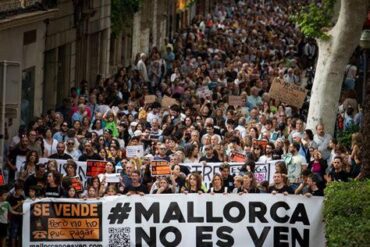
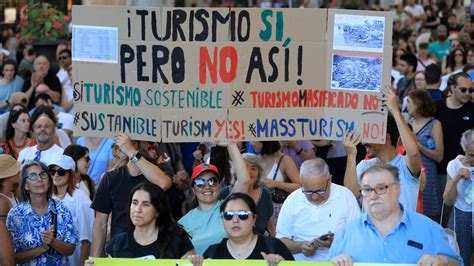
In recent months, these challenges have sparked numerous protests, with demonstrators filling the streets of Majorca and Ibiza in some of the largest anti-tourism rallies in the country’s history. Locals, whose lives have been deeply affected by the tourism boom, are calling for immediate action from both the Spanish government and regional authorities to curb the negative consequences of uncontrolled tourism growth.
For residents in Majorca, where the population is a mere 1.2 million yet receives over 15 million international tourists annually, the situation has become unsustainable. Many islanders now find themselves fighting for basic necessities like affordable housing, as short-term rentals take over residential properties. The growth of platforms such as Airbnb has exacerbated this issue, with entire neighborhoods being transformed into tourist havens, pushing rents to unaffordable levels for the locals.
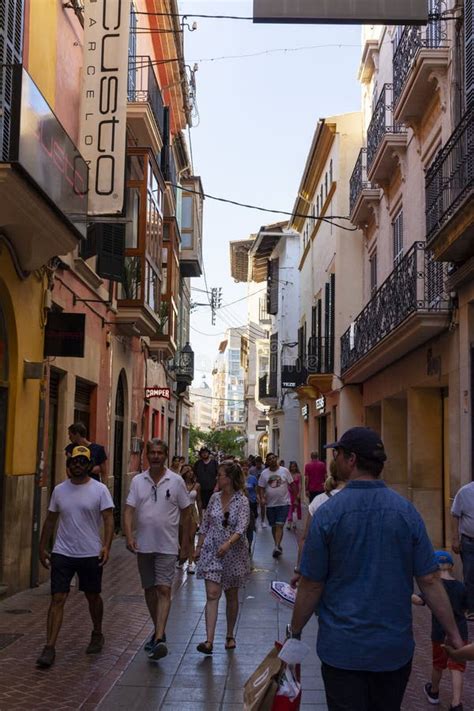
The concern goes beyond just housing. Local infrastructure, including transportation, healthcare, and schools, is being stretched beyond its limits. Communities that were once designed to accommodate a much smaller population are now buckling under the weight of millions of tourists. The overcrowding of public spaces, from beaches to museums to shopping streets, has severely impacted the quality of life for residents.
Catalysts for the Protests: Rising Housing Costs and Overcrowded Streets
The primary grievance fueling these protests is the exponential rise in housing prices, which activists argue is directly linked to the proliferation of short-term holiday rentals. According to estimates, up to one-third of available properties in some parts of the Balearic Islands are now being used as tourist accommodations. As a result, ordinary citizens are being priced out of their own neighborhoods, forced to either leave or endure skyrocketing rents.
The problem has become so acute that in certain areas, even essential services like schools and hospitals are struggling to meet the needs of the permanent residents. With the flood of tourists creating immense demand for resources, locals feel increasingly marginalized in their own communities.
The Protests Erupt: From Local Anger to Nationwide Movement
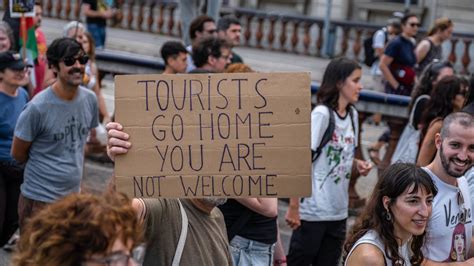
What began as small demonstrations against housing displacement has snowballed into a massive movement. The most significant protests in recent weeks have occurred in Palma, Majorca’s capital, where around 30,000 demonstrators marched through the city streets, waving placards and chanting slogans demanding action. The protests, which included impassioned speeches and drum circles, turned tense at times, with protesters clashing with tourists and the police as they made their voices heard.
Despite the anger directed at foreign tourists — often referred to as “guiris” — the protests have not been entirely about blaming outsiders. Rather, locals are calling for systemic changes to the way tourism is managed in Spain, demanding stricter regulations on short-term rentals, and limits on the number of visitors allowed to enter the most vulnerable regions. They argue that without such measures, Spain’s unique cultural identity, along with its environmental integrity, will continue to be at risk.
The scale of the protests in the Balearics is alarming not only for the local residents but also for the tourism sector, which represents a significant portion of Spain’s economy. Tourism is an essential driver of employment and local revenue, and while the protests have raised serious concerns, there is a delicate balancing act between maintaining economic growth and ensuring that tourism does not destroy the very essence of these communities.
The Spanish Government Faces Pressure to Act
Despite the growing protests, the Spanish government has been slow to implement comprehensive solutions. The pressure is mounting as the summer tourist season approaches, with more protests scheduled for cities such as Barcelona and the Canary Islands. These regions have faced similar challenges with overtourism, particularly in Barcelona, where locals have been fighting for years to reclaim their city from mass tourism.
At the heart of the issue is the absence of a clear strategy for managing tourism growth. While regional governments in places like the Balearics have attempted to impose limits on short-term rentals and cruise ship arrivals, these measures have been insufficient. Activists are calling for more robust regulations, including higher taxes on short-term rentals, limits on new hotel construction, and the implementation of sustainable tourism models that focus on long-term benefit for local residents rather than short-term profit from vacationers.
Can Sustainable Tourism Save Spain’s Communities?
The road to a sustainable tourism model is fraught with challenges. Balancing the needs of the local population with the economic benefits of tourism requires a nuanced approach. Local activists argue that the future of Spain’s most beloved tourist destinations depends on implementing policies that prioritize residents over holidaymakers, ensuring that tourism contributes to, rather than detracts from, the quality of life in these communities.
One of the proposed solutions is to encourage “slow tourism,” a concept that promotes deeper, more meaningful experiences for visitors while reducing the strain on local resources. This model emphasizes sustainable travel, local engagement, and smaller-scale tourism experiences that allow communities to maintain their cultural and environmental integrity.
Authorities are also considering diversifying tourism to lesser-known regions of Spain, thus alleviating the pressure on overcrowded hotspots. By promoting areas that are under-visited but equally rich in culture and natural beauty, Spain could spread tourism more evenly, ensuring that locals in the most popular destinations are not left to deal with the brunt of mass tourism alone.
Looking Ahead: A New Era of Tourism?
The protests in Spain are a stark reminder that unchecked tourism growth has the potential to disrupt communities in profound and lasting ways. As protests continue to escalate, both the Spanish government and local authorities will need to find solutions that respect the needs of residents while still promoting the tourism industry, which is essential to the nation’s economy.
With tensions high, it remains uncertain whether Spain will be able to strike the right balance between preserving its unique cultural and natural heritage and meeting the demands of millions of visitors. However, one thing is clear: Spain’s tourism dilemma is far from over, and the voices of those calling for change are only growing louder.
In the coming months, as summer tourists pour into Spain’s coastal cities and islands, the eyes of the world will be on the country, watching to see whether the protests will lead to tangible change, or if the struggle for Spain’s soul will continue to unfold in the streets.