Greece, a country renowned for its rich history, stunning landscapes, and ancient ruins, is experiencing a remarkable surge in tourism in 2025. Islands like Santorini and Mykonos are particularly feeling the strain, as visitor numbers during peak seasons soar to nearly four times the local population. This influx has brought economic prosperity to the country but has also raised serious concerns about sustainability, local quality of life, and the preservation of its cultural heritage.
The Tourism Boom: A Double-Edged Sword
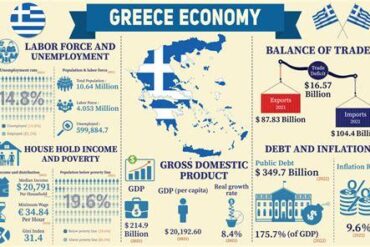
According to the UN’s World Tourism Barometer, Europe welcomed a staggering 747 million international visitors in 2024. Of that, Southern and Western Europe—Greece included—hosted over 70% of these tourists. Greece, in particular, has seen a sharp rise in tourism revenues, which reached €21.7 billion in 2024, up from €20.6 billion in 2023. The surge has undeniably benefited the country’s economy, positioning Greece as one of the most sought-after destinations in Europe. However, the overwhelming numbers of tourists are placing immense pressure on the country’s infrastructure and natural resources, raising questions about the long-term viability of this tourism boom.
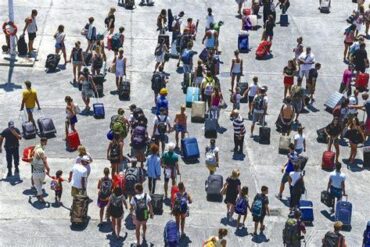
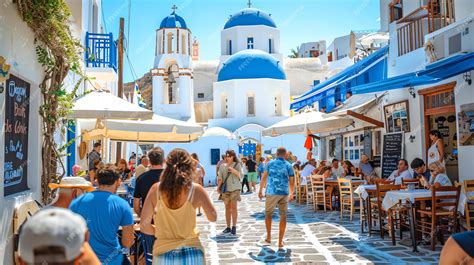
Popular destinations like Santorini and Mykonos, which have become international hotspots, are feeling the strain. Infrastructure is struggling to keep up, and resources like water, housing, and energy are running low. The local environment, too, is under threat, with overcrowding at iconic landmarks diminishing the visitor experience and negatively impacting the quality of life for the residents who call these destinations home. The beauty of the Greek islands, once serene and unspoiled, is increasingly marred by overcrowded streets and overwhelmed services.
Local Communities Speak Out: The Impact of Overtourism
As tourism numbers continue to rise, residents in these overburdened areas are voicing their frustrations. In Santorini, many locals have expressed concerns over the rapid commercialization of their island. Traditional shops, once an integral part of the local culture, are being replaced by souvenir stores and international chains, causing the character of the island to erode. The commercialization of once-authentic neighborhoods is displacing long-standing businesses, leaving the islands with a diminished sense of identity. Urban planner Angelos Varvarousis, who is based in both Barcelona and Athens, warns that overtourism is creating a “monoculture” in popular destinations. He highlights how the overwhelming presence of tourism-related businesses is pushing out local activities, reducing the diversity of the economy and cultural expression. The social fabric of these communities is being torn apart as the needs and demands of tourists overshadow those of local residents. As tourism becomes more dominant, these areas risk losing their unique cultural identities in favor of tourist-friendly environments.
Government Measures to Address the Crisis
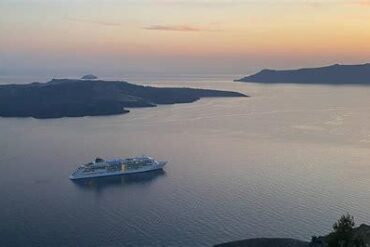
In response to the escalating challenges, the Greek government has taken several measures to manage the tourism surge. One of the most significant actions is the introduction of a cruise tax, set to be enforced starting July 1. Popular islands like Mykonos will charge a €20 tax for cruise passengers, while less-visited islands like Samos will impose a €5 tax. The revenue generated from these taxes will be used to improve local infrastructure, fund sustainability projects, and preserve Greece’s cultural and historical heritage sites.
To tackle water shortages, which have become increasingly common on many Greek islands, the government has implemented several strategies. Desalination technology is being rolled out, and tanker ships have been deployed to supply freshwater to parched areas. These measures, while temporary, help alleviate some of the immediate pressures facing islands during the peak summer months. The government is also working to promote lesser-known destinations, encouraging tourists to explore parts of Greece outside the overcrowded hotspots. This could help distribute the tourism load more evenly and alleviate the strain on the most visited areas.
Striking a Balance: Sustainable Tourism for the Future
The situation in Greece underscores the need for a balanced approach to tourism development. While tourism undeniably plays a critical role in the Greek economy, its current trajectory risks compromising the very elements that make the country so appealing to travelers in the first place. In order to preserve the environment, safeguard local culture, and maintain the quality of life for residents, sustainable tourism practices must become a priority. Experts suggest several strategies for achieving this balance.
Limiting the number of visitors to certain areas, especially during peak seasons, could help reduce overcrowding and prevent further environmental degradation. Encouraging off-season travel would not only ease congestion during the summer months but also provide economic benefits during the quieter months of the year. Investment in infrastructure, particularly in less-developed regions, is crucial for supporting tourism growth while maintaining the quality of local services. This would also reduce the reliance on overburdened areas like Santorini and Mykonos.
Looking Ahead: A Sustainable Path Forward for Greece
As Greece navigates this unprecedented tourism surge, it is clear that the country must adopt a sustainable approach to ensure that tourism benefits everyone, including residents and future visitors. While economic growth driven by tourism is essential, it must not come at the expense of the country’s natural beauty or the quality of life for its citizens. By implementing thoughtful policies, encouraging responsible tourism, and focusing on sustainability, Greece can continue to welcome millions of visitors without compromising its cultural and environmental assets. Ultimately, the challenge for Greece—and for many other popular tourist destinations—is finding ways to maintain the delicate balance between economic development and the preservation of what makes these places special. With the right strategies and a commitment to sustainable practices, Greece can ensure that its tourism industry continues to thrive while safeguarding the future of its landscapes, communities, and culture for generations to come.