Greece is teetering on the edge of an environmental and cultural breaking point as a record-breaking influx of tourists floods its iconic island destinations. What was once a harmonious blend of natural beauty and traditional heritage is now being threatened by overdevelopment, resource depletion, and social disruption. As millions of holidaymakers, especially from the United Kingdom, descend on the country’s fragile island ecosystems, locals and officials alike are raising the alarm.
The Aegean paradise, renowned for its serene charm, is buckling under the weight of a tourism boom that has outpaced infrastructure, drained natural resources, and tested the limits of community resilience.
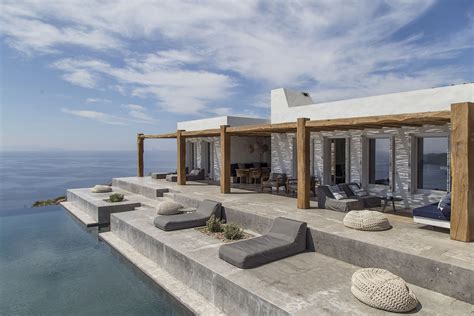
Cycladic Islands Struggle to Breathe Amid Tsunami of Visitors
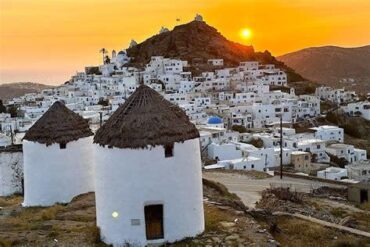
In 2025, the Cyclades, a picturesque chain of islands known for their blue-domed churches and whitewashed cliffside villages, are expected to host over 3.4 million tourists—a staggering number for a region whose infrastructure was never designed to sustain such traffic. This surge, while economically significant, is wreaking havoc on both the environment and the local way of life.
Islanders are experiencing traffic gridlock on once quiet roads, while traditional shops are being replaced with high-end boutiques and luxury rentals. Nikos Zorzos, former mayor of Santorini, has issued repeated warnings about the unchecked construction boom and the looming collapse of the local ecosystem. His concerns highlight the tension between preserving the island’s allure and accommodating a relentless flow of travelers.
Crumbling Under the Weight: Environmental Toll Escalates
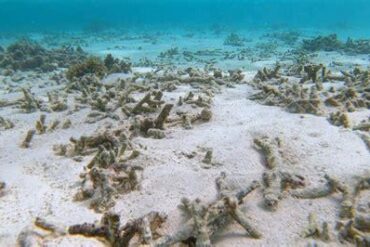
The scale of ecological degradation is becoming undeniable. On Santorini, overdevelopment has led to vanishing green spaces, coastal erosion, and the decimation of native flora. Mykonos is facing mounting waste management challenges, with landfill sites reaching capacity and inadequate sewage systems threatening marine ecosystems.
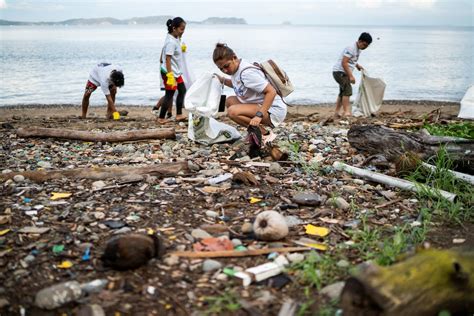
Water scarcity is another pressing issue. Many islands rely on desalinated water or shipments from the mainland, and the demand spike during summer puts unsustainable pressure on these systems. On Paros and Naxos, residents have reported freshwater shortages, with some resorting to limiting personal use while hotels cater to thousands of visitors.
A Country at Crossroads: Economic Gains vs Cultural Survival
Greece has ambitious plans to welcome nearly 40 million international tourists annually by 2028, a sharp rise from the 35 million recorded in 2024. This target reflects tourism’s critical role in the national economy, contributing more than 20% of GDP and employing hundreds of thousands. However, the promise of prosperity is beginning to collide with the stark reality of cultural erosion and community displacement.
The tourism industry’s insatiable appetite for expansion has driven up property prices across island regions. The proliferation of short-term rentals on platforms like Airbnb has priced locals out of their homes, transforming once-authentic neighborhoods into transient hubs. Families with deep generational roots are leaving, unable to compete with landlords chasing tourist dollars.
Protest Movements Rise Against Privatization and Exploitation
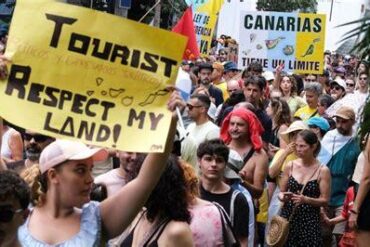
Grassroots resistance is growing louder. In 2023, residents from islands including Rhodes, Crete, and Naxos took to the beaches in protest of illegal privatizations, where businesses had blocked access to the shoreline with umbrellas, sunbeds, and luxury lounges. The public backlash was swift and fierce, reigniting debates about land ownership, public rights, and the over-commercialization of Greece’s natural heritage.
This year, the situation has worsened. Local communities are pushing back against further encroachments and are demanding that national authorities impose stricter zoning laws, enforce coastal protection, and limit the footprint of tourism developments. Demonstrators argue that the soul of Greece is being auctioned off for short-term gain.
Tourism Dream Turning Nightmare for Fragile Communities
As the summer progresses, residents on smaller islands like Folegandros and Amorgos report being overwhelmed by the strain on public services. Medical clinics are overcrowded, electricity grids are under severe load, and ferries are booked solid weeks in advance. Waste collection services have failed to keep pace, leaving scenic pathways and beaches littered with debris.
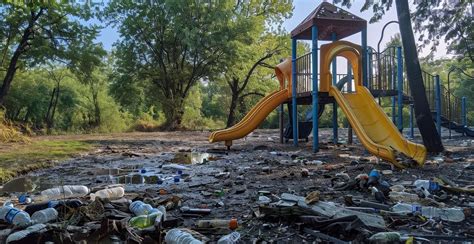
The social fabric of these island communities is fraying. Seasonal employment has created an unstable job market, while increasing reliance on tourism leaves little room for other industries to grow. Younger generations, facing a lack of opportunity and housing, are migrating to the mainland or abroad, accelerating rural depopulation and the loss of cultural continuity.
Santorini and Mykonos: Icons Under Siege
Nowhere is the crisis more pronounced than on Santorini and Mykonos. Once symbols of Grecian elegance, they have become victims of their own popularity. Tourists crowd the caldera cliff paths in Santorini, jostling for selfies at sunset while local residents struggle to walk to work. Mykonos, once a bohemian refuge, is now a VIP playground where yacht parties drown out traditional festivals.
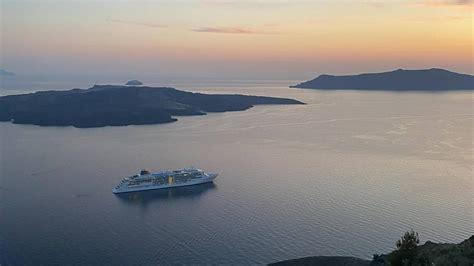
The saturation point has long been passed. Daily cruise ship arrivals dump thousands of passengers onto ports ill-equipped for such volume. In Santorini, cable car queues stretch for hours. On Mykonos, the nightlife economy is pushing local traditions to the margins, favoring international DJs and beachfront clubs over Greek tavernas and folk dances.
Industry Reckoning: The Need for Sustainable Tourism Frameworks
Leading voices in the Greek tourism sector are calling for radical reform. Proposals include:
- Introducing visitor caps during peak months on saturated islands
- Incentivizing travel to lesser-known destinations like Syros, Tinos, and Ikaria
- Expanding eco-tourism and agritourism programs
- Strengthening zoning regulations and enforcing bans on illegal developments
- Enhancing public infrastructure investment with EU funding
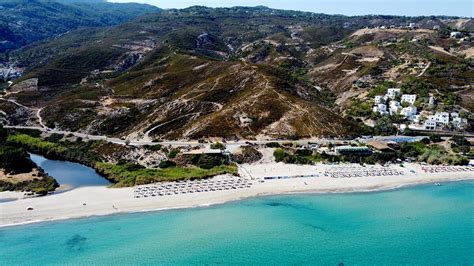
While some initiatives are underway, critics argue that implementation is too slow and enforcement inconsistent. Without bold, coordinated national strategies, Greece risks spiraling into a model of tourism that benefits the few while degrading the very essence of its offering.
International Tourists Urged to Travel Responsibly
With nearly 30% of international arrivals coming from the UK, British tourists are being urged by advocacy groups to practice conscious tourism. This includes staying in locally-owned accommodations, avoiding over-touristed areas during peak times, respecting public spaces, and reducing plastic waste.
Campaigns like “Leave the Beach as You Found It” and “Respect the Islands” are gaining traction online, targeting younger travelers especially. Educational initiatives at arrival points and social media awareness are becoming key tools in redirecting behavior toward sustainable practices.
Conclusion: A Defining Moment for Greece’s Future
Greece now faces a pivotal decision. The crossroads between economic benefit and cultural annihilation is stark. The decisions made in the next five years will determine whether Greece continues to be a jewel of the Mediterranean or becomes a cautionary tale of paradise lost to unbridled overtourism.
For the islands and their people to thrive, tourism must evolve—from a volume-based industry to a value-driven, balanced model that preserves heritage, protects the environment, and respects the communities that make Greece a timeless destination. The global travel spotlight is shining ever brighter on Greece—what the country chooses to do with that attention will echo for generations.