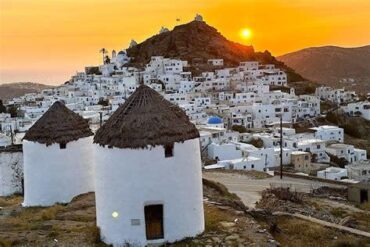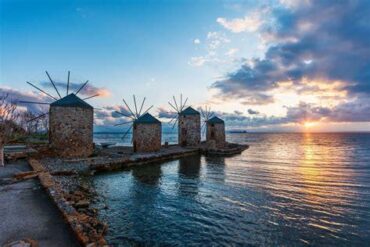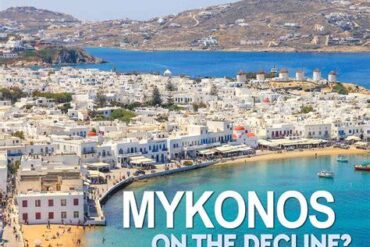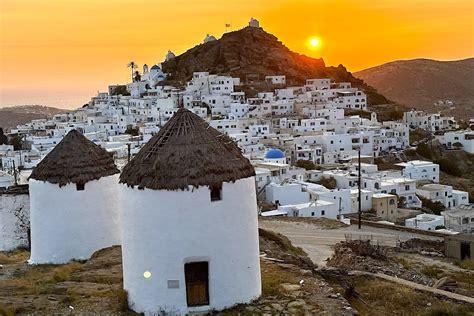
Greece’s islands, long celebrated for their sun-kissed beaches, ancient ruins, and traditional charm, are now confronting a profound transformation. The surge in mass tourism is reshaping not only the economic fabric but also the environmental and cultural landscape of these cherished Mediterranean gems. While the influx of visitors fuels economic activity, it simultaneously erodes the foundation of traditional industries and accelerates environmental degradation. The paradox is stark: the very allure that draws millions each year is being compromised by their presence.
The Vanishing Heart of Island Life: Traditional Industries in Decline
For centuries, Greece’s islands thrived on a delicate balance between land and sea. Farming and fishing were more than just livelihoods; they were the lifeblood of insular life. Local produce filled village markets, donkeys carried harvests through cobbled paths, and fishing boats lined the harbors, sustaining communities with fresh catch and age-old routines. However, as tourism becomes the dominant force, these scenes are fading into memory.
Agricultural lands that once nourished communities are being sold off or repurposed into luxury villas and boutique accommodations. Small farms, now unprofitable compared to the booming hospitality industry, lie abandoned. On many islands, what were once lush fields of olive trees and vineyards are being converted into manicured resorts and infinity pools. Fishing too has seen a dramatic shift — boats once used to cast nets for sustenance now ferry tourists on scenic cruises, replacing the practical with the picturesque.
The consequences of this shift go beyond nostalgia. Food insecurity looms as islands become increasingly reliant on imports. Local flavors, once defining features of island cuisine, are now often replaced with standardized tourist fare. The erosion of traditional livelihoods also means the loss of generational knowledge, disconnecting younger residents from their heritage.
Environmental Costs of an Industry Run Amok
As Greece’s islands embrace mass tourism, the environmental costs are mounting. At the 2025 “Islands in Danger – The Search for Measure” conference, experts painted a grim picture of ecological decline across the Aegean and Ionian Seas. Deforestation, overdevelopment, and water shortages are no longer future threats—they are current realities.
From 1990 to 2018, Greece lost nearly 14,000 hectares of forest, with the islands of Chios, Thasos, and Rhodes suffering deforestation rates between 34% and 41%. These forests, once vital for biodiversity, carbon sequestration, and agriculture, are being sacrificed for real estate and infrastructure to support the ever-growing tourism sector. The loss of forest cover also exacerbates soil erosion and contributes to the urban heat island effect, particularly troubling as Mediterranean summers grow hotter.
Agricultural abandonment only deepens the crisis. Since the 1960s, nearly 50% of Greece’s arable land has been left fallow, with some islands like Oinousses, Nisiros, and Kimolos seeing abandonment rates as high as 90%. Without active farming, these landscapes fall into decay, biodiversity plummets, and invasive species take hold.
Concrete Over Olive Trees: The Urbanization of Paradise
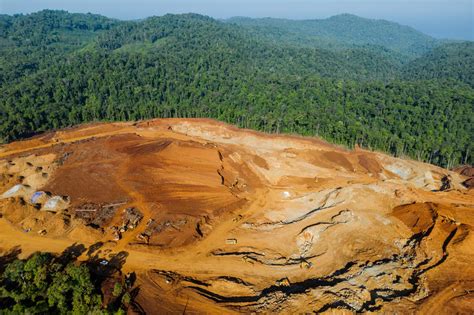
In islands such as Mykonos and Syros, the built-up area has skyrocketed by more than 300% since 1990. This transformation turns picturesque vistas into concrete labyrinths of hotels, restaurants, and rental properties. Green spaces vanish under the pressure of luxury development, stripping islands of their natural appeal.
Concrete dominance also introduces serious hydrological issues. The impermeable surfaces block rainwater from seeping into aquifers, diminishing groundwater supplies. For islands where freshwater is scarce, this is nothing short of catastrophic. With climate change intensifying seasonal droughts, tourism-fueled urban sprawl threatens to leave communities high and dry—literally.
Biodiversity is another casualty. The sprawling development displaces native flora and fauna, disrupts migratory bird paths, and fragments habitats. What once made the islands ecological sanctuaries is now under siege from the very industry that profits off their natural charm.
Toward a Greener Horizon: The Imperative of Sustainable Development
The unchecked trajectory of tourism on Greece’s islands demands a radical reassessment. Sustainable development isn’t just a buzzword—it’s a necessity. The goal must shift from maximum capacity to long-term viability, blending economic growth with ecological and cultural preservation.
Key to this shift is integrating traditional industries into the tourism model. Instead of erasing agriculture and fishing, islands could incorporate them as features of the visitor experience. Imagine tourists harvesting olives, learning to weave fishing nets, or participating in wine-making. Such activities offer authenticity, deepen cultural appreciation, and provide supplementary income to local communities.
Environmental regulations must also be tightened. Eco-conscious zoning laws, green building codes, and infrastructure improvements—such as greywater recycling and solar energy systems—can mitigate tourism’s footprint. Policymakers must recognize that an overdeveloped island is a self-defeating product: a degraded paradise will not sell.
Farming Roots and Eco-Tourism Routes: Building a New Model
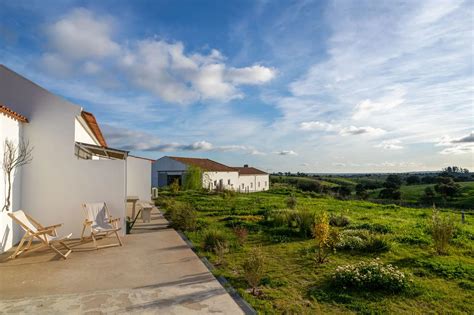
One promising avenue lies in reviving organic, small-scale agriculture. By providing incentives for local food production, islands can reduce import dependence and create a resilient food economy. Crops like olives, figs, herbs, and grapes are well-suited to island climates and possess high value both in culinary and tourism markets.
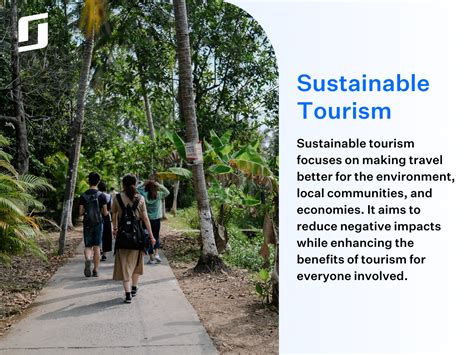
Simultaneously, eco-tourism offers a blueprint for sustainable income. Rather than exploiting landscapes, this model cherishes them. Activities such as guided hikes, nature photography tours, botanical walks, and marine conservation experiences can attract environmentally conscious travelers. Not only do these tourists tend to spend more, but they also seek longer, more immersive stays—reducing the churn of mass tourism.
Eco-tourism also lends itself to community-based models, where profits flow directly into the hands of local families instead of distant corporations. Through this model, Greece’s islands can retain control over their identity while appealing to a discerning travel demographic.
Policy, Planning, and People: Charting a Balanced Future
The future of Greece’s islands hinges on a collaborative vision involving government agencies, residents, and the tourism sector. National and local governments must provide a regulatory backbone to prevent overdevelopment and encourage sustainability. This includes not only environmental protections but also investment in education and training for locals in sustainable agriculture and hospitality.
Communities must be given a voice in shaping their destinies. Participatory planning sessions, transparency in zoning approvals, and local ownership of tourism ventures can counteract the top-down development that currently plagues many islands. Preserving local languages, crafts, and festivals must be seen not as quaint curiosities, but as essential elements of a holistic, sustainable economy.
Tourism businesses, too, have a role. Those who profit from the islands’ beauty must become stewards of it. This means reducing waste, limiting energy consumption, and committing to genuine environmental certifications—not greenwashing.
Conclusion: A Critical Juncture for Greece’s Island Heritage
The tension between economic gain and cultural preservation is playing out in real-time across Greece’s beloved islands. The unchecked rise of tourism is tipping the scales—jeopardizing ecosystems, displacing traditions, and threatening the sustainability of local life. Yet, within this crisis lies opportunity.
By embracing eco-tourism, revitalizing traditional industries, and enforcing sustainable development, Greece can chart a future that honors both its past and its natural splendor. The islands can remain magnets for global travelers—not as hollowed-out holiday hubs, but as vibrant, living landscapes that continue to nourish the spirit, culture, and economy of Greece.
In this pivotal moment, the decisions made will determine whether Greece’s islands remain timeless treasures or become cautionary tales of paradise lost.