Kyoto, Japan, is home to one of the country’s most celebrated and historic festivals—Gion Matsuri. Held annually in July, this vibrant celebration is a deep-rooted tradition that dates back over a thousand years. Attracting over a million visitors every year, it is renowned for its stunning floats, rich cultural history, and the spiritual significance embedded within the procession. With expert tips from JR Pass and insights into Kyoto’s traditions, this guide will walk you through how to make the most of the Gion Matsuri Festival, offering an unforgettable experience in one of Japan’s most beautiful cities.
What is the Gion Matsuri Festival?
The Gion Matsuri Festival, celebrated throughout the month of July, has its origins in 869 AD. It started as a religious ritual to appease the gods and end a plague that ravaged Kyoto. Over the centuries, it has grown into a major cultural event, one of Japan’s top three festivals, alongside Tenjin Matsuri and Kanda Matsuri. Kyoto, the ancient capital of Japan, is famous for its traditional culture, stunning architecture, and timeless beauty. The Gion Matsuri takes place primarily around the Gion District and includes a series of parades, rituals, and festivities that bring together both the spiritual and cultural aspects of Kyoto’s rich heritage. It is one of the most important events of the summer in Japan.
Key Highlights of Gion Matsuri Festival
The Yamahoko Parade
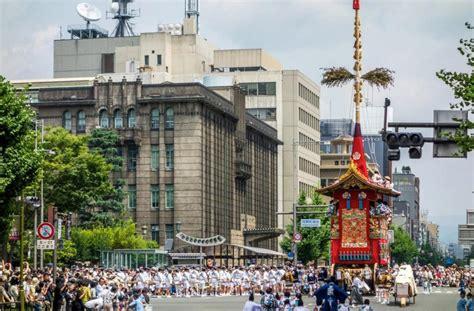
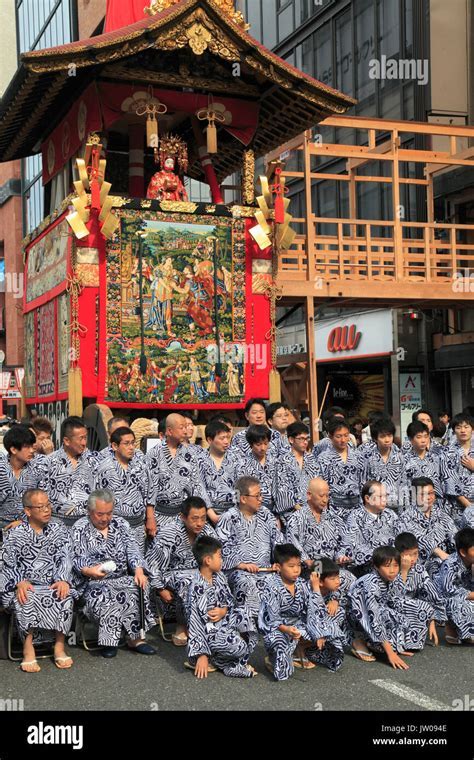
The most anticipated part of Gion Matsuri is the Yamahoko Parade, held on July 17th. This parade features massive floats, which are often described as “moving museums” due to their intricate designs and historical significance. Each float is associated with different myths and legends, pulled through the city by crowds of people, creating a mesmerizing spectacle. There are 34 floats used during the festival: 23 on the first day and 11 on the second, consisting of both yama (mountain floats) and hoko (large floats with towering poles). These floats carry symbols of Kyoto’s spiritual traditions and are intricately decorated with artwork, carvings, and woven fabrics that reflect Kyoto’s deep cultural ties.
The Mikoshi Procession
The Mikoshi are portable shrines that carry the deities of the Yasaka Shrine, symbolizing a sacred journey. The Mikoshi procession takes place on the night of July 17th when the shrines are carried to Otabisho, a temporary resting place. This allows locals and worshippers to engage deeply with the spiritual aspect of the festival. The atmosphere during this procession is charged with reverence and excitement, as participants immerse themselves in a centuries-old tradition that connects them to their ancestors and cultural heritage.
The Sacred Role of the Young Messenger
Each year, a young boy is chosen to represent a sacred messenger for the gods. This child rides atop the Naginata Hoko, the first float in the parade, remaining there throughout the entire festival. His role is seen as vital to the spiritual significance of the event, symbolizing purity and divine connection. The sight of this young messenger amidst the grandeur of the floats is a heartwarming reminder of the festival’s deep spiritual roots.
How to Experience the Gion Matsuri Festival
Explore the Historic Floats
The floats are parked in various locations around Kyoto, allowing visitors to view them up close in the days leading up to the parade. These majestic creations, some reaching up to 7.5 meters in height, showcase the craftsmanship and artistry of local artisans. Take a stroll through the city to see these towering floats displayed in public spaces. Shijo, Kawaramachi, and Oike Streets are the main routes for the parades, each offering great viewpoints. The float exhibitions typically open in the afternoon, and if you’re aiming to avoid the crowds, visiting earlier in the day provides a more peaceful experience.
Savor Local Festival Foods
One of the best aspects of the Gion Matsuri is the local street food that lines the streets during the festival. Don’t miss out on Kyoto’s famous regional specialties:
- Okonomiyaki: A savory pancake often cooked in front of you, filled with ingredients like cabbage, pork, and batter.
- Yatsuhashi: A sweet made from rice flour, commonly served in cinnamon-flavored sticks or mochi.
- Kakigori: A refreshing shaved ice dessert perfect for hot summer days.
- Chimaki: Good luck charms sold at various floats to ward off misfortune.
Vendors line the streets, creating a festive atmosphere with a variety of snacks and refreshments to keep you fueled during the celebrations.
Participate in the Festival in Traditional Fashion
To fully embrace the cultural experience, consider wearing a yukata, a traditional Japanese robe. Many locals and visitors rent yukatas during the festival, adding to the authenticity of the experience. These robes are comfortable, lightweight, and perfect for the summer heat. Local shops offer rentals and provide instructions on how to wear them, allowing you to feel like a part of the celebration.
Avoiding the Crowds
Kyoto’s Gion Matsuri attracts crowds from all over the world. To make your experience more comfortable, try these tips:
- Visit the floats during early afternoon before the evening crowds arrive.
- If the parades are too crowded, take a walk to Maruyama Park, a peaceful spot where you can relax away from the bustling festival atmosphere. It’s an excellent place for some quiet time amidst the festivities.
How to Get to Kyoto
Kyoto is easily accessible from major cities throughout Japan thanks to its well-developed rail system.
Shinkansen (Bullet Trains)
Kyoto is well connected by the Tokaido Shinkansen line, which runs from Tokyo to Kyoto in just over 2 hours. From Osaka, the journey is just 15 minutes, while Nagoya is about 35 minutes away.
Other Options
For those traveling from Hiroshima or Fukuoka, the Sanyo Shinkansen provides direct access to Kyoto, taking around 1 hour 40 minutes from Hiroshima and about 3 hours from Fukuoka.
Local Trains
For budget-conscious travelers, standard trains are available, offering stops at major hubs such as Tokyo, Kyoto, and Fukuoka.
Best Time to Visit Kyoto for Gion Matsuri
The Gion Matsuri Festival occurs in July, with the main Yamahoko Procession taking place on July 17th, followed by a smaller procession on July 24th. However, the festival stretches over the entire month, with various events and celebrations taking place throughout. If you’re planning to visit Kyoto for Gion Matsuri, booking accommodations well in advance is highly recommended, as the city sees a sharp increase in visitors during this period. Expect hotel prices to rise, and be prepared for the influx of tourists.
Conclusion
The Gion Matsuri Festival offers a unique opportunity to experience Kyoto’s deep cultural roots and rich spiritual traditions. With its breathtaking floats, vibrant street celebrations, and authentic culinary experiences, it’s no wonder that the festival continues to draw millions of visitors each year. Whether you’re taking part in the festivities, enjoying local foods, or simply appreciating the ancient traditions, Gion Matsuri is an experience that will leave you with lasting memories of Kyoto’s cultural heritage.