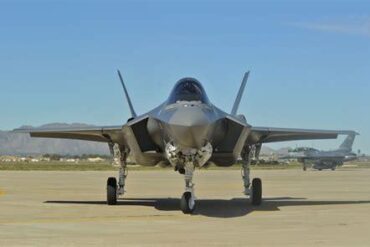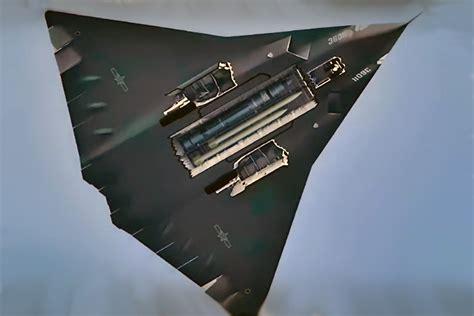
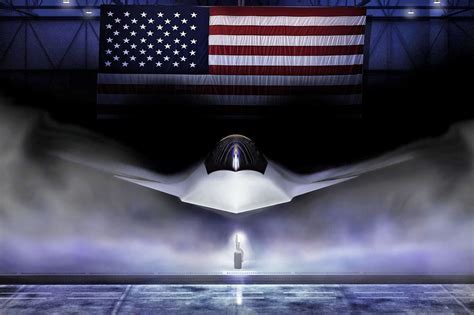
U.S. President Donald Trump has reportedly offered Japan access to the Boeing F-47, a sixth-generation stealth fighter, as Tokyo reevaluates its air combat strategy due to growing delays in the Global Combat Air Program (GCAP). The proposed fighter, derived from the Next Generation Air Dominance (NGAD) initiative, was mentioned by Trump during a recent congratulatory announcement on Boeing’s selection as the NGAD prime contractor.
Trump’s Personal Pitch: F-47 and Diplomatic Symbolism
The offer of the F-47 was relayed during a private call between President Trump and Japanese Prime Minister Shigeru Ishiba, ahead of a key trade negotiation meeting between Japanese envoy Ryosei Akazawa and U.S. officials in Washington. According to the Asahi Shimbun, the discussion emphasized not only strengthening the U.S.-Japan military alliance but also a symbolic nod to Trump’s status as the 47th President, aligning with the fighter’s name.
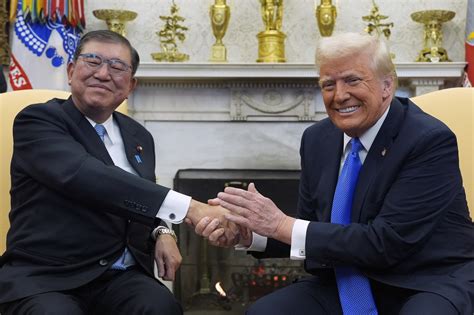
Trump reportedly questioned Ishiba on whether “47” was a good number—an unusual rhetorical flourish but one that hinted at the personalized branding of the F-47 initiative. The conversation, although politically flavored, reflected serious strategic undertones: Japan is anxious over the GCAP’s slipping timelines and is exploring backup options to maintain air superiority in the Indo-Pacific.
Japan’s GCAP Commitment and Frustrations
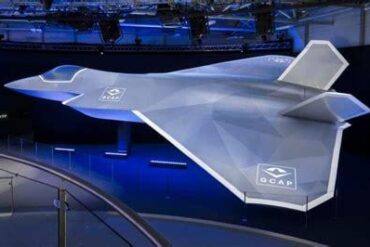
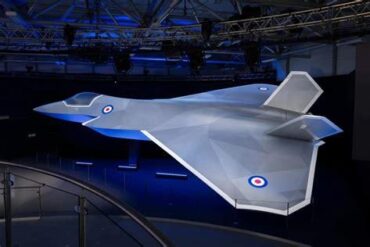
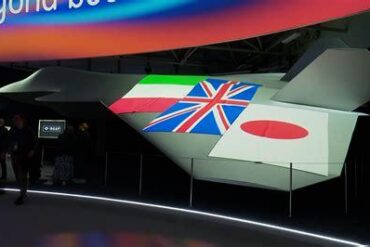
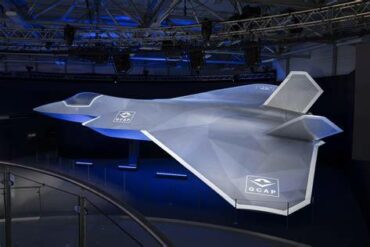
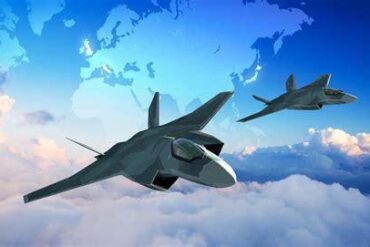
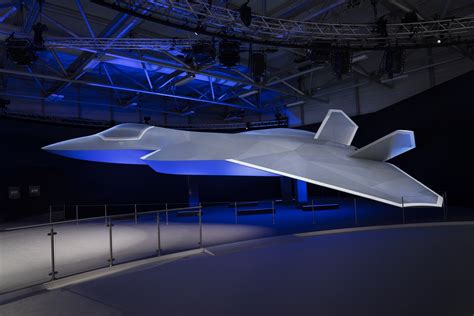
While Tokyo remains officially committed to the GCAP program, a trilateral effort with the United Kingdom and Italy, several Japanese defense officials have expressed unease. The program aims to produce a sixth-gen aircraft by 2035, but internal disagreements—particularly over operational doctrines and project milestones—have caused timeline slippage.
Japanese frustration has been exacerbated by signals from the U.K. that GCAP’s “Tempest” platform may not replace the RAF’s Eurofighter Typhoon fleet until the 2040s. That projected delay has significant implications for Japan, which faces an increasingly precarious security environment as noted in its 2024 Defense White Paper.
The F-47: A Sixth-Generation Edge?
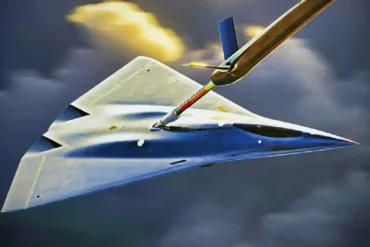
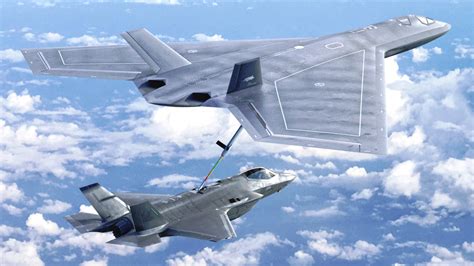
The F-47, developed under NGAD, represents the U.S.’s most advanced leap in air combat capability. It is designed with next-gen stealth, artificial intelligence-assisted combat systems, advanced sensor fusion, and interoperability across domains. Though few technical details are publicly confirmed, analysts expect it to exceed even the F-22 Raptor and F-35 Lightning II in performance.
Trump stated that allies are “calling constantly” for access to export variants of the NGAD platform, suggesting that a “toned-down” version of the F-47, potentially 10% reduced in capabilities, could be made available for trusted partners. Japan, given its longstanding defense partnership with the U.S., would likely qualify for such a deal.
Political Calculations: Fighter Deal Not Tied to Tariff Talks
Despite the F-47 offer emerging around the same time as Japanese trade talks in Washington, Japanese officials clarified the fighter sale was not linked to tariff negotiations. Nevertheless, defense procurements from the U.S. contribute significantly to its trade surplus, a topic of ongoing concern for Japanese negotiators like Akazawa.
Japan’s Airpower Dilemma: F-35s, F-15 Upgrades, or F-47?
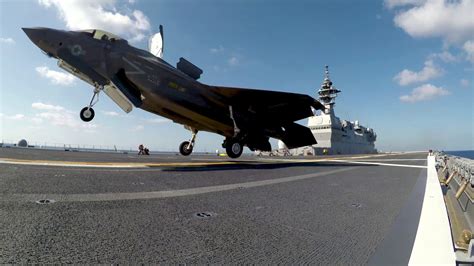
Japan’s immediate alternatives to the F-47 include increasing its already substantial F-35 fleet or modernizing its legacy aircraft. Currently, Japan is the largest F-35 foreign customer, planning to operate 147 aircraft: 105 F-35As and 42 STOVL-capable F-35Bs for its two Izumo-class carriers. However, delivery delays, especially in F-35Bs, have frustrated Japanese lawmakers.
A senior official from the ruling Liberal Democratic Party noted, “We have already paid for many items, and they haven’t arrived. It’s not right to be told to buy more when previous orders haven’t been fulfilled.” Nonetheless, some in Tokyo see another F-35 procurement as a quick fix while GCAP matures.
In parallel, Japan is upgrading 68 F-15Js to the F-15JSI (Japanese Super Interceptor) configuration, including APG-82 radar, EPAWSS electronic warfare suite, and advanced air-to-air weaponry. Japan also operates roughly 85 Mitsubishi F-2s, which could be modernized to extend service life, although such plans are still conceptual.
Boeing’s Strategic Position and Potential Exports
If Tokyo agrees to purchase the F-47, Boeing would gain significant leverage in establishing an export chain for its NGAD derivatives. Selling the aircraft to allies like Japan or Australia would improve production scale, reduce per-unit costs, and bolster the U.S. Air Force’s own procurement economics.
Andrew Hunter, former Assistant Secretary of the Air Force for Acquisition, has described the F-47 as “Increment 1” of NGAD, implying subsequent export-optimized versions may follow. Such increments would allow for modular technology sharing, particularly important for partners concerned about technology security restrictions.
Price, Sovereignty, and the Strategic Tradeoff
One major barrier is cost. The F-47’s estimated price tag sits between $180–200 million per unit, significantly higher than the $80–100 million F-35s. Even a reduced-capability export version would command a premium. That cost is not only financial but strategic.
If Japan leans heavily on U.S.-built fighters, it risks compromising its long-term sovereignty over defense assets. The F-22, for example, was never exported due to sensitive technology restrictions. Though Trump now signals willingness to share more, Japanese officials are cautious.
By comparison, GCAP promises domestic adaptability, tech control, and industrial returns. Mitsubishi Heavy Industries (MHI), a primary Japanese partner in GCAP, would secure substantial IP access and production responsibilities. Withdrawal from GCAP could collapse the program altogether, as neither the U.K. nor Italy is likely to fund it independently.
Regional Threat Matrix and National Priorities
Japan’s shift in posture comes amid mounting threats. The 2024 Defense White Paper highlighted China’s assertiveness in the East China Sea, Russia’s growing presence in the region, and North Korea’s missile advancements. In response, Japan’s defense budget has increased for the 12th consecutive year, now projected at over ¥7 trillion ($48 billion).
The F-47, if acquired, could act as both a deterrent and a force multiplier in the Indo-Pacific. Its stealth, sensor, and AI capabilities would dramatically improve Japan’s ability to operate in contested airspaces, from the Senkaku Islands to broader Taiwan Strait operations.
Conclusion: A Defining Choice Looms
The F-47 offer from Trump represents a watershed moment in Japan’s defense trajectory. Accepting it could fast-track Japan into the elite sixth-generation fighter club, closing the capability gap as GCAP faces delays. But the cost—both monetary and strategic—is profound. It may undercut Tokyo’s autonomy and jeopardize a collaborative future in the European-led Tempest initiative.
Japan must decide whether short-term readiness and U.S. alignment outweigh the long-term benefits of domestic control and international industrial partnerships. As security challenges intensify and timelines slip, the F-47 may become less a backup and more a front-line solution. Yet the decision will reverberate far beyond fighter procurement—it will shape the balance of power in the Indo-Pacific for decades to come.