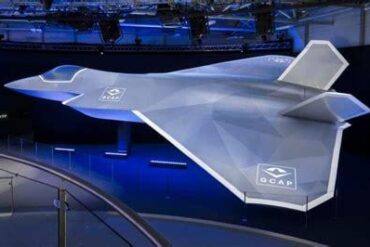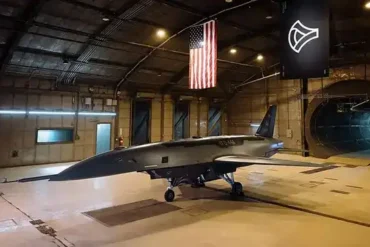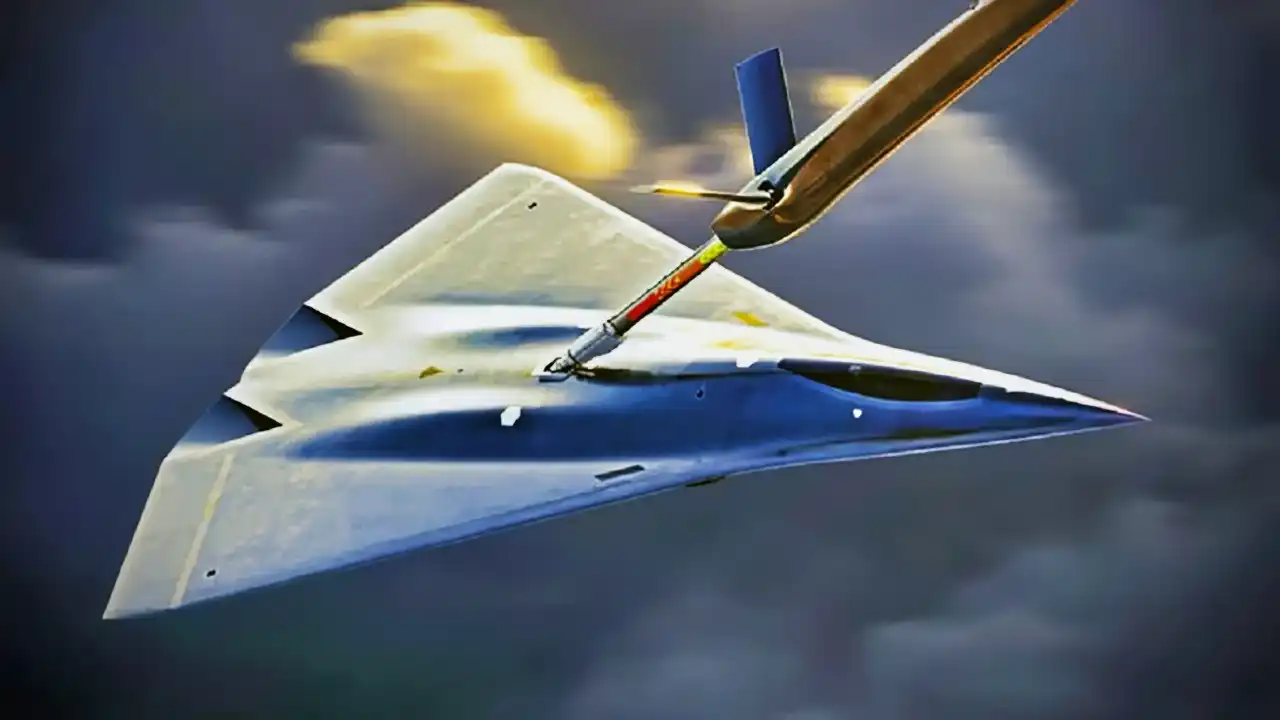
The development of the Boeing F-47, the United States’ flagship entry into the sixth-generation fighter arena under the Next Generation Air Dominance (NGAD) program, has encountered considerable setbacks. Although touted as a revolutionary step forward in air combat capability, the F-47 is already reportedly lagging behind its primary competitor—the People’s Republic of China’s stealth aircraft program—by as much as four years. The root causes of this delay span a complex web of technological, industrial, political, and economic hurdles, each compounding the challenge of keeping the program on schedule.
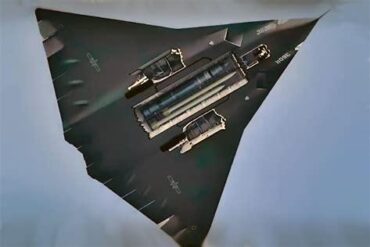
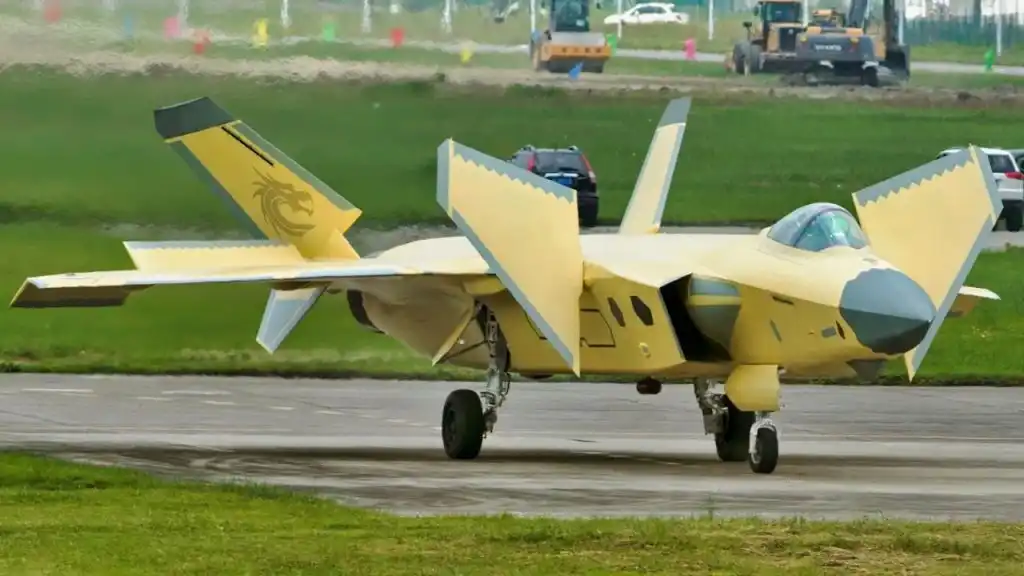
In stark contrast to the US Air Force’s traditionally deliberate pace, China has accelerated the development of its advanced fighters like the Chengdu J-20 and its rumored successors, the J-36 and J-50/XD. While the F-22 Raptor, the world’s first fifth-generation stealth fighter, took 15 years from concept to production, China’s J-20 achieved a similar milestone in just six. That disparity has become a flashpoint for comparison as both nations race to define aerial superiority in the 21st century.
Engine Innovation: A Double-Edged Sword
Central to the F-47’s delay is the development of its variable-cycle jet engines, a game-changing but highly complex propulsion system. Spearheaded by the Next Generation Adaptive Propulsion (NGAP) program, these engines—developed by GE Aerospace (XA102) and Pratt & Whitney (XA103)—promise unmatched operational flexibility. With a third stream of air to dynamically optimize between fuel efficiency and thrust, these engines aim to double the F-47’s range and enable supercruise beyond Mach 2. However, they are now two years behind schedule, largely due to post-pandemic supply chain bottlenecks and the sheer engineering difficulty involved.
Despite assertions from contractors that development remains on track, the Air Force has acknowledged significant delays. Without these engines, the F-47 cannot achieve its defining capabilities, making the propulsion delay the single most critical bottleneck in the entire NGAD timeline.
Industrial Decay and Budgetary Competition
The F-47’s setbacks are also symptomatic of systemic issues within the U.S. defense industrial base, which has atrophied since the post-Cold War drawdown. Unlike China’s state-driven and vertically integrated defense apparatus, the U.S. military relies heavily on private contractors, which have seen decades of contraction and underinvestment. The pandemic only exacerbated these problems, decimating labor forces and disrupting access to rare materials crucial for high-performance aerospace production.
Boeing, the F-47’s prime contractor, finds itself under particular scrutiny. From quality control scandals surrounding the 737 MAX to delays and cost overruns on the 777X and Air Force One programs, the company’s defense credibility is under siege. Moreover, ongoing strikes at its St. Louis facilities underscore labor tensions at a time when uninterrupted development is essential.
Conflicting Priorities Inside The Pentagon
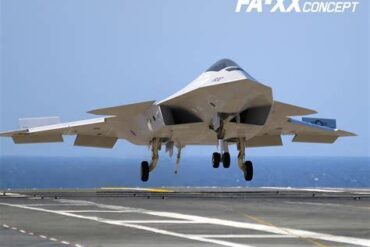
In addition to industrial challenges, internal strife within the Department of Defense (DoD) has also disrupted momentum. The F-47’s $300 million-per-unit cost prompted a temporary pause in 2024, with resources nearly diverted to the Navy’s F/A-XX program. The two sixth-generation projects—NGAD and F/A-XX—share overlapping technology bases, which has fueled inter-service rivalry and raised alarms about overloading a fragile industrial ecosystem.
The DoD’s attempts to stabilize funding across both programs during the 2026 defense budget cycle reflect the gravity of this risk. Yet the reallocation of funds and frequent shifting of priorities signal a broader lack of unified strategic direction, weakening the F-47’s developmental cohesion.
Evolving Threats and Shifting Specifications
The appearance of Chinese sixth-generation prototypes in 2024—widely circulated through state-backed social media—prompted a dramatic reversal of U.S. policy. The F-47 was promptly moved from “paused” to “accelerated” status under pressure from the Trump administration. But the frequent reevaluation of the aircraft’s design requirements in response to rapidly evolving threats has created technical whiplash for developers.
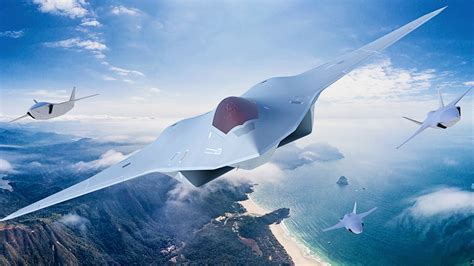
The NGAD is now envisioned not as a single platform but as a “family of systems”, including AI-integrated Collaborative Combat Aircraft (CCAs). These uncrewed assets are meant to extend the F-47’s reach and survivability, especially in the Indo-Pacific, where Chinese anti-access/area denial (A2/AD) systems threaten to push U.S. assets beyond their effective range. As design targets shift to accommodate these needs, timelines are inevitably impacted.
Cost, Complexity, and Caution: A Historical Burden
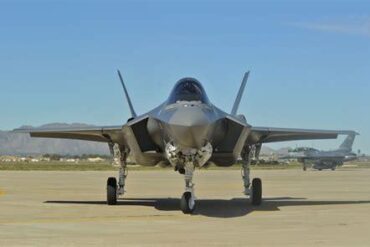
America’s previous advanced fighter programs have cast a long shadow over current efforts. The F-22 and B-2 both suffered from runaway costs, limited production numbers, and political backlash. The F-35, while more widely deployed, is still plagued by production inefficiencies and maintenance issues. These legacy pitfalls have bred institutional caution, and the DoD appears unwilling to replicate past mistakes by rushing technology into premature production.
This hesitancy is justified, but it has also slowed the pace at which the F-47 can transition from concept to combat-ready hardware. Unlike China’s risk-tolerant prototyping culture, the United States must contend with layers of regulatory scrutiny, Congressional oversight, and public transparency, all of which extend timelines.
Innovation Under Siege: The Threat of Espionage
While the U.S. defense ecosystem is more transparent, it is also more vulnerable to foreign espionage. Over the past two decades, multiple instances have surfaced where U.S. military secrets—particularly regarding stealth and propulsion technologies—have been compromised. From engineers leaking B-2 data to cases of ex-military personnel training Chinese pilots, these breaches have arguably accelerated the PRC’s development curve, narrowing the technological edge the U.S. once held unchallenged.
That said, American innovation remains fundamentally superior. Every major technological leap in aerospace has originated from U.S. laboratories and research centers. The delays in the F-47 program do not indicate a loss of capability, but rather a struggle to balance engineering ambition with industrial reality and geopolitical urgency.
A Program At A Crossroads
As of late 2025, the F-47 program stands at a critical inflection point. With production underway, and first flight optimistically targeted for late 2028, the timeline is both ambitious and uncertain. Success depends on resolving engine delays, securing steady funding, managing interservice rivalry, and maintaining industrial stability. Any one of these failing could push the F-47 even further behind China’s timeline.
The question remains: will the United States be able to reassert its dominance in next-generation air warfare, or will it remain caught in its own web of bureaucratic complexity and industrial decay while the PRC sprints ahead?
Time will tell, but one thing is certain—the stakes have never been higher.