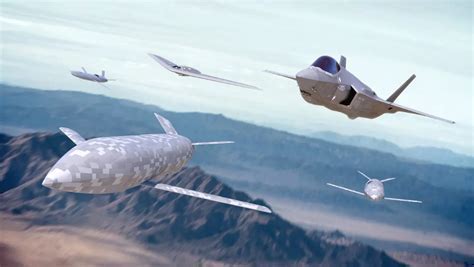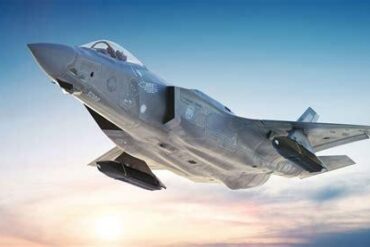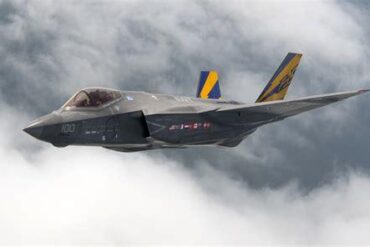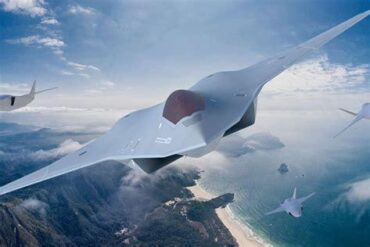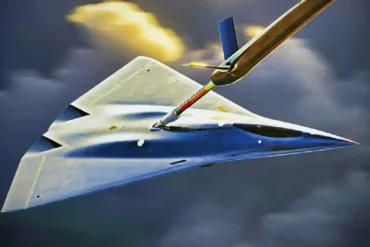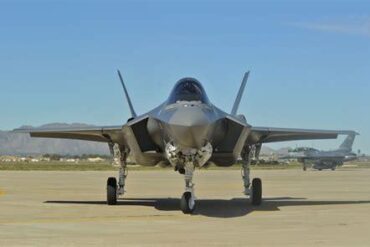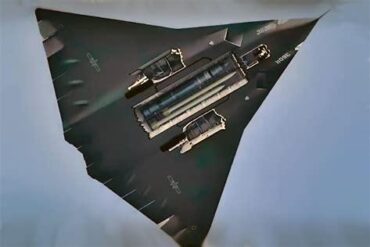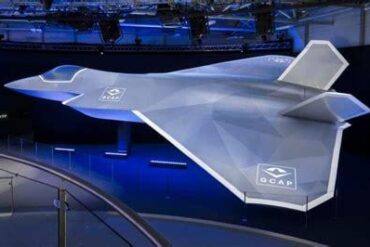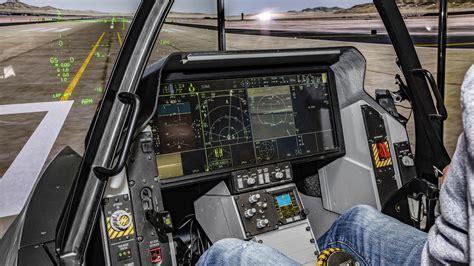
Lockheed Martin is embarking on one of its most ambitious upgrades yet for the F-35 Joint Strike Fighter, a transformation that insiders are calling the “Ferrari F-35“—a nickname that hints at its sharper edge, race-grade performance, and refined stealth. The company’s vision reimagines the fifth-generation F-35 into a more lethal and survivable “fifth-gen-plus” warplane using technology originally developed for its unsuccessful Next Generation Air Dominance (NGAD) bid.
At the heart of this transformation lies the effort to squeeze 80 percent of the capability of a sixth-generation aircraft into the already formidable F-35 platform—while incurring only 50 percent of the cost. Whether this formula holds true remains to be proven, but the stakes are high, and the momentum is building.
A Radical Retrofit: Bringing NGAD Tech to the F-35
Lockheed Martin’s CEO, Jim Taiclet, outlined the near-term possibilities in candid remarks during Bernstein’s Strategic Decisions Conference. According to Taiclet, a significant leap in capability is achievable within two to three years, aligning with the timeframe for first flight and integration of NGAD-derived systems into the F-35.
These upgrades would be modular and gradual, avoiding production bottlenecks while preserving the integrity of the fleet. Among the most compelling innovations are new infrared and radar-absorbing coatings, developed under NGAD, which could substantially enhance the F-35’s stealth profile and reduce maintenance requirements.
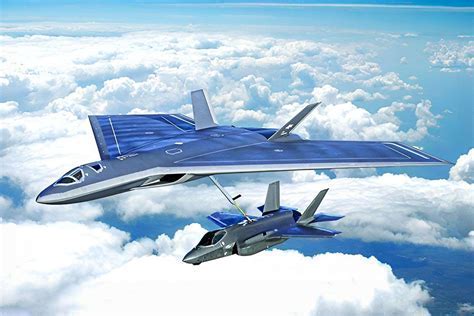
Another key modification involves refining the outer mold line—the aircraft’s physical shape. Particular focus is placed on the engine inlets and exhaust nozzles, which have historically created a radar vulnerability in the F-35’s rear aspect. Altering these geometries could substantially diminish its radar cross-section (RCS), bolstering its survivability in contested airspace.
Toward Autonomy: The Pilot-Optional F-35
Perhaps the most dramatic possibility lies in creating a pilot-optional F-35. Thanks to the aircraft’s open architecture and deep digital integration, Lockheed believes that autonomy could be infused into the airframe over a relatively short span. While not explicitly described as an unmanned combat air vehicle (UCAV), this concept would permit the F-35 to fly either manned or unmanned, expanding its utility for high-risk missions.
Autonomy, Taiclet stressed, is a “really critical” capability going forward, especially in electronic warfare and networked battle environments. Combined with the Block 4 upgrade, which is already in progress, and expected to enhance sensor fusion, electronic warfare, and data-sharing, the pilot-optional variant may not be a pipe dream but a logistical evolution.
Advanced Weapons Integration: NGAD Armament in a Fifth-Gen Chassis
Another intriguing pathway toward a “Ferrari F-35” includes adapting next-generation munitions developed under NGAD. These might include long-range air-to-air missiles, hypersonic weapons, and AI-enabled target acquisition systems—giving the F-35 an unprecedented edge in lethal engagement without a full airframe redesign.
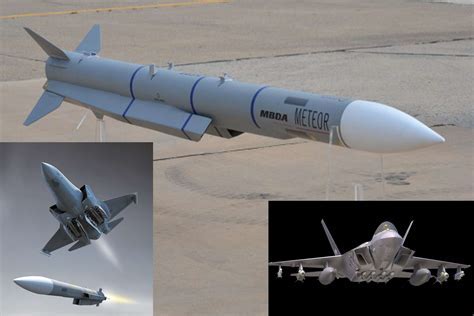
Taiclet reiterated this goal, emphasizing that this approach could result in a more capable, flexible fifth-gen-plus aircraft without the prohibitive expense of developing a new airframe from scratch. He also alluded to a similar approach being taken with the F-22 Raptor, which is now undergoing upgrades including Infrared Defensive Systems (IRDS) and stealth fuel tanks, technologies feeding directly into NGAD initiatives.
Political Winds and Market Dynamics: New Buyers, Strategic Implications
While the technical vision is ambitious, Lockheed Martin is equally focused on the strategic export potential of the upgraded F-35. Discussions are heating up with nations like Saudi Arabia and India, while existing operators like Israel continue to leverage their F-35 fleets as regional power multipliers.
In the Middle East, Saudi Arabia and Qatar—both contributors to Boeing’s Advanced Eagle program—have shown renewed interest in the F-35. However, complex geopolitical constraints remain, including U.S. policy toward Israel’s Qualitative Military Edge (QME). Still, there are active discussions about crafting a path to fifth-generation capabilities, possibly involving F-21s, enhanced F-16 derivatives, and layered air defense networks.
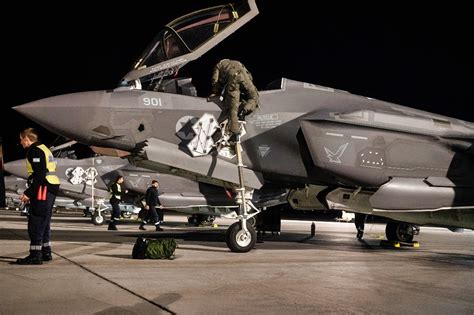
India is another key player in Lockheed’s long game. The company is offering the F-21, a heavily upgraded F-16 tailored for Indian needs, as a stepping stone to the F-35. Wing co-production is already underway in India, and Lockheed has pledged full final assembly of the F-21 in-country if New Delhi proceeds with the program.
The Block 4 Challenge: Software Delays and Integration Struggles
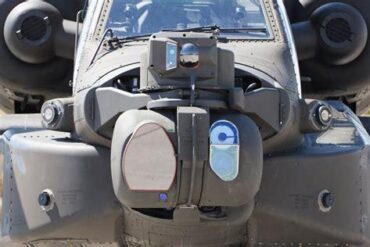
Yet the path forward is not without friction. The ongoing Block 4 and Technology Refresh 3 (TR-3) upgrades are facing delays, particularly due to issues with the Distributed Aperture System (DAS). This upgraded sensor suite, along with the new core processor, data storage, and pilot interface, is essential to unlocking the F-35’s full future potential.
Taiclet was frank in his explanation: while L3Harris has completed the necessary hardware, the sensor integration is lagging behind. The DAS includes its own hardware, firmware, and software stack, which must sync seamlessly with the broader TR-3 environment—a complicated task that’s pushing timelines.

Nonetheless, Lockheed believes that once synchronization is achieved—hopefully by year’s end—previously delivered aircraft will be fully combat-capable. Until then, the Block 4 delays raise important questions about whether the “Ferrari F-35” can realistically meet its 80/50 ambitions.
Hedge Against Future Delays: The Strategic Imperative
One of the reasons Lockheed is pursuing this aggressive upgrade strategy is as a hedge against uncertainty. Boeing won the NGAD contract with the F-47, but operational deployment of that platform remains several years away. Similarly, the Navy’s F/A-XX program is still in its formative phase.
In the interim, a highly enhanced, export-friendly F-35 could help Lockheed lock in supply chains, maintain industrial momentum, and satisfy partner nation demands—without having to wait for sixth-generation systems to mature.
As a historical precedent, one can look at how the F/A-18E/F Super Hornet emerged after more advanced U.S. Navy aircraft programs were shelved. The Super Hornet filled a crucial capability gap at lower risk, and Lockheed’s Ferrari F-35 could play a similar role.
Final Assembly: What the Ferrari F-35 Could Ultimately Be
A Ferrari-grade F-35 isn’t just a styling exercise. It’s an integration of high-end coatings, stealth-optimized shaping, pilot-optional controls, and next-gen weapons into a proven platform. If successful, it could blur the lines between fifth and sixth-generation air dominance—delivering premium performance at a digestible cost.
Taiclet’s call for long-term sustainment contracts reflects Lockheed’s intent to stabilize both performance and pricing. With supply chain volatility increasing costs and causing schedule slip-ups, fixed agreements could ensure the fighter remains viable through 2040 and beyond.
Whether dubbed a “NASCAR upgrade” or a “Ferrari fighter,” this next chapter in F-35 development reveals a deeper truth: the future of air combat might not be about replacement, but reinvention.