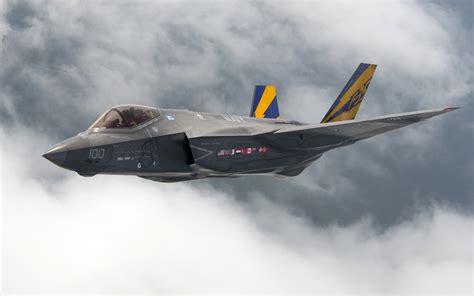
In a move that has caught many defense analysts by surprise, Lockheed Martin, the American defense giant behind the F-35 Lightning II, has signed a strategic memorandum of understanding with AED Cluster Portugal, a collective representing Portugal’s aerospace, space, and defense industries. This agreement signals a critical expansion of Lockheed Martin’s industrial footprint in Europe and a new phase in the evolution of the world’s most advanced stealth fighter program.
The memorandum, recently signed and publicly acknowledged by both entities and endorsed by the U.S. Embassy in Portugal, marks a turning point in European defense collaborations. While Portugal is not currently a member of the exclusive F-35 operator club, the deal opens a pathway not only to technological collaboration but also to potential future procurement.
Strategic Implications of the Portugal Agreement
This partnership between Lockheed Martin and the AED Cluster has implications that extend far beyond the borders of the Iberian Peninsula. Portugal, traditionally seen as a secondary player in European defense dynamics, now finds itself on the frontlines of fifth-generation fighter development. The agreement facilitates the integration of Portuguese companies into a wide spectrum of activities linked to next-generation fighter jet programs. These include production, R&D, software development, maintenance, and pilot training infrastructure.
This is not just a symbolic gesture. By establishing a cooperative framework, Lockheed Martin is paving the way for Portuguese firms to join its vast global supply chain, which supports the production and sustainment of the F-35 and potential future aircraft derived from its platform. This move comes amid growing global demand for highly advanced, interoperable fighter platforms and a strategic push to diversify critical defense supply chains beyond the U.S. and core NATO allies like the UK, Italy, and the Netherlands.
Why Portugal? A Strategic, Underutilized Partner
The choice of Portugal may seem surprising at first glance, especially given that it is not yet a confirmed F-35 customer. However, the country offers several strategic advantages:
- Geopolitical Stability: Portugal remains one of the most politically stable nations in southern Europe, with a long-standing NATO membership and close ties to the United States.
- Growing Aerospace Sector: Over the past two decades, Portugal has steadily grown its capabilities in aerospace manufacturing, R&D, and military aviation support services.
- Skilled Workforce: Portuguese engineers and technicians are increasingly in demand across Europe, and the country’s emphasis on STEM education is beginning to yield dividends.
- Strategic Atlantic Positioning: With access to the Atlantic and proximity to Africa, Portugal offers strategic logistical advantages for transatlantic defense operations and future deployment hubs.
These factors have not gone unnoticed by Lockheed Martin. The AED Cluster agreement is a calculated step that gives the company access to a highly adaptable industrial base that can be molded to meet emerging requirements in the next evolution of stealth combat aircraft.

A Glimpse Into the Future: The Next-Gen Stealth Fighter
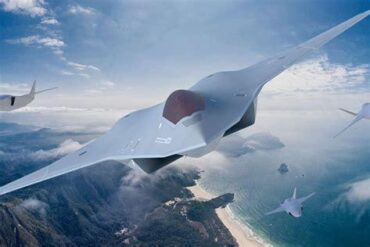
Lockheed Martin’s F-35 has already reshaped 21st-century air combat doctrines. But as defense planners look beyond the current generation, efforts are underway to envision what the “F-35 successor” might look like. The collaboration with Portugal may hint at this future.
While details of the next-gen fighter remain classified or speculative, we can safely infer that the future aircraft will push the boundaries of:
- Artificial Intelligence integration for real-time threat analysis
- Hypersonic missile capabilities and counters
- Next-gen stealth coatings and materials
- Swarming drone compatibility
- Quantum-resistant communications systems
The integration of Portuguese R&D and production facilities in this endeavor places the country in a unique position to influence the next era of military aviation.
Portuguese Defense Ambitions Reignited
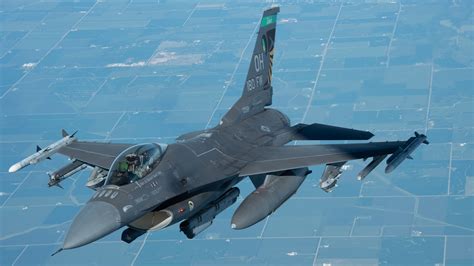
Interestingly, the timing of the agreement aligns with Portugal’s ongoing evaluation of its own future fighter fleet. Having operated the F-16 Fighting Falcon for decades, the country’s defense ministry, led by Minister Nuno Melo, has been reconsidering the next phase of its air power. Although the acquisition of the F-35 was hinted at last year, current government statements indicate that “better options” are still being considered.
This uncertainty does not diminish the significance of the Lockheed Martin agreement. On the contrary, it could serve as a precursor to formal procurement, especially if Portuguese industry becomes actively involved in fighter development and sustainment.
Industrial Upside: What’s in It for Portuguese Companies?
For the AED Cluster and the broader Portuguese defense ecosystem, this collaboration is nothing short of transformational. Firms aligned with the cluster can expect to engage in areas such as:
- Component manufacturing for airframes and avionics
- Simulation and training software development
- Long-term maintenance and service contracts
- Cybersecurity frameworks for next-gen aircraft networks
Beyond direct economic gains, these partnerships bring technological uplift, allowing Portugal to accelerate innovation in adjacent industries, such as civil aviation, AI development, and satellite systems. The ripple effects could stimulate new startups, university partnerships, and high-tech clusters centered around military aviation technology.
Reinforcing NATO’s Southern Flank
This agreement also serves broader NATO strategic interests. With tensions rising globally—from Eastern Europe to the Indo-Pacific—the Atlantic Alliance is increasingly focused on reinforcing its southern flank. Integrating Portugal into the F-35 ecosystem indirectly boosts NATO’s capacity to project power from the Iberian Peninsula, enhancing airborne readiness, interoperability, and logistical resilience.
Lockheed Martin’s expanded presence in Portugal supports NATO’s objectives by ensuring that one more member state is aligned with the alliance’s most advanced aerial platform. The MOU, therefore, acts not only as a commercial agreement but also as a geostrategic maneuver.
The F-35’s Global Traction and Local Impact
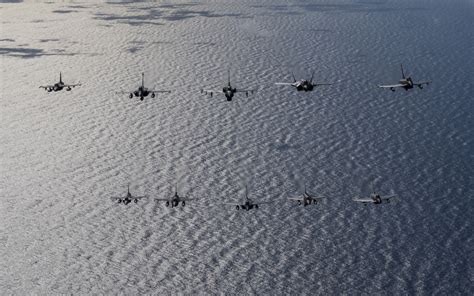
Lockheed Martin has already delivered over 900 F-35 jets to more than 15 nations, including the UK, Japan, Italy, South Korea, and Israel. The fighter’s modular design and interoperable architecture have made it a cornerstone of Western airpower.
Bringing Portugal into this network, even initially as an industrial contributor, ensures that the country is not left behind in the evolution of air combat technology. It also reinforces Lockheed Martin’s strategy of co-development and global integration, a tactic that has successfully built political goodwill and operational consistency across partner nations.
Closing Thoughts: A Strategic Realignment in the Making
This collaboration between Lockheed Martin and Portugal’s AED Cluster is more than just a bilateral agreement. It signals a strategic realignment, a recognition that smaller yet capable nations like Portugal have a role to play in shaping the next generation of global defense technology.
The implications are clear. Portugal stands to gain industrial strength, technological prestige, and possibly a place in the elite group of nations operating fifth- and sixth-generation aircraft. Lockheed Martin, on the other hand, deepens its European integration, hedging against geopolitical volatility and expanding its innovation base.
As the race to define the future of air dominance intensifies, the skies over Portugal may soon echo with the whispers of stealth, speed, and next-gen innovation.