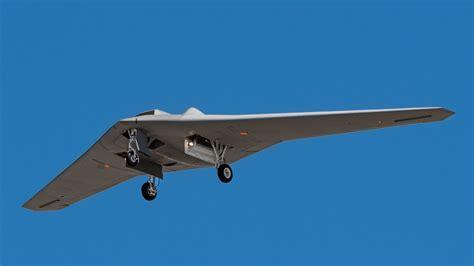
The Lockheed Martin RQ-170 Sentinel, often referred to by its nickname “Wraith,” remains one of the most enigmatic and strategically significant unmanned aerial vehicles (UAVs) in the U.S. arsenal. Developed by Lockheed Martin’s Skunk Works division and first introduced in 2007, the RQ-170 serves as a stealth reconnaissance aircraft for the United States Air Force (USAF) and Central Intelligence Agency (CIA). Though details remain tightly classified, available intelligence and analyses provide a compelling picture of its capabilities, design philosophy, and operational importance.
Origins and Strategic Purpose
The RQ-170 emerged in the context of growing UAV deployment in post-9/11 military operations. Conceived by Skunk Works, the Sentinel was engineered to provide tactical surveillance in areas protected by advanced air defense systems, making stealth essential. Unlike broader reconnaissance platforms like the U-2 or Global Hawk, the RQ-170 focuses on discrete, theater-specific missions with high political and operational stakes.
Initial deployments occurred in Afghanistan in late 2007, and South Korea by September 2009—regions neighboring nuclear states and volatile borders, suggesting intelligence gathering focused on Pakistan, Iran, and North Korea. The aircraft’s covert nature, limited fleet size (estimated 20–30 units), and special mission profiles differentiate it from more openly utilized UAVs such as the MQ-1 Predator and MQ-9 Reaper.
Design Lineage and Technical Architecture
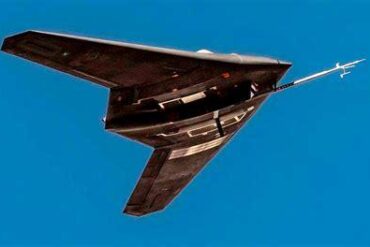
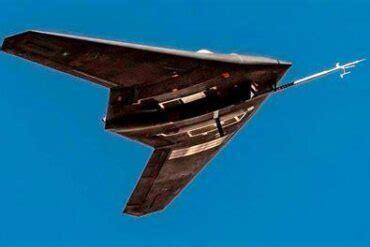
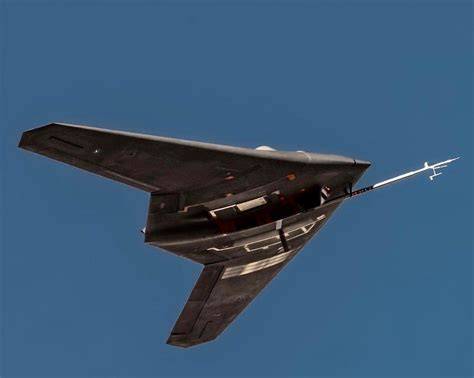
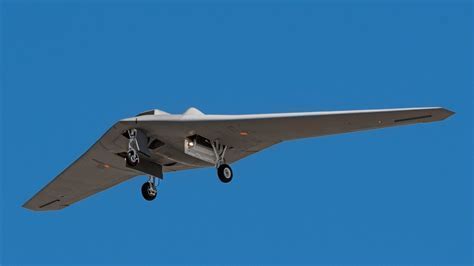
Design similarities to prior programs like the RQ-3 DarkStar and Polecat are unmistakable. The RQ-170 adopts a tailless flying wing configuration, enhancing radar evasion through shape minimization. Upper wing pods are integrated into the airframe, likely housing electronic sensors or communications systems.
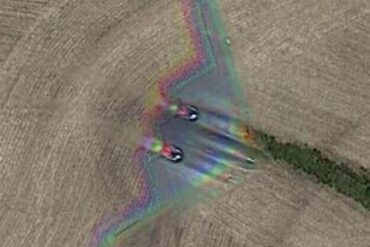
Dimensions, as revealed by U.S. Army documentation, place the Sentinel at 65 ft 7 in (20 m) wingspan and 14 ft 9 in (4.5 m) in length. It is powered by a single, classified turbofan engine, speculated to be either a General Electric TF34 or Garrett TFE731. Its estimated takeoff weight surpasses the 8,500 lb RQ-3, indicating significant onboard equipment and fuel capacity.
However, certain stealth refinements are notably absent. Aviation analysts, including Aviation Week, highlight the lack of zigzag gear doors, sharp leading edges, and exhaust shielding, suggesting a strategic compromise: favoring operational availability and mission readiness over the safeguarding of cutting-edge stealth technology that might be exposed through combat loss.
Sensors, Payloads, and Stealth Capabilities
The RQ-170’s sensor suite is integral to its strategic value. Aviation expert Bill Sweetman posits the presence of electro-optical/infrared sensors and possibly an active electronically scanned array (AESA) radar in the belly fairing. This sensor configuration allows all-weather, day-night surveillance at high resolution.
The underwing pods likely house secure datalinks, enabling real-time data transmission to ground stations. Analysts have theorized about the modular nature of these pods, potentially enabling mission-specific payload changes, including electronic warfare packages or non-lethal strike capabilities.
According to The New York Times, the Sentinel “almost certainly” includes communications-intercept equipment and hyperspectral sensors, enabling detection of radiological materials or chemical signatures linked to nuclear weapon programs. This level of instrumentation places the RQ-170 in a niche role, far more specialized than traditional ISR platforms.
Operational Deployment and Combat Use
The 30th Reconnaissance Squadron, based at Tonopah Test Range Airport, Nevada, became the first unit to operate the Sentinel. Public confirmation of its existence came only after sightings over Kandahar Airfield in late 2007, which led to its now-infamous moniker, “The Beast of Kandahar.”
Its most publicized mission came on May 2, 2011, during the raid on Osama bin Laden’s compound in Abbottabad, Pakistan. An RQ-170 provided real-time imagery of the compound and monitored Pakistani military communications, allowing U.S. officials to gauge potential reactions to the operation. The aircraft’s ability to remain undetected while gathering sensitive intelligence underscores its tactical indispensability.
Additional missions have included bomb damage assessments, such as following a Massive Ordnance Penetrator test by a B-2 Spirit bomber in 2012. It also participated in a Large Force Test Event in August 2020 at Nellis Air Force Base, signaling its continued integration in high-complexity operational environments.
By 2021, it was confirmed that the Sentinel remained in service with both the 30th and 44th Reconnaissance Squadrons, the latter activated on April 1, 2015. The USAF noted ongoing deployments, although specific locations remain classified.
Iranian Capture and Technological Repercussions
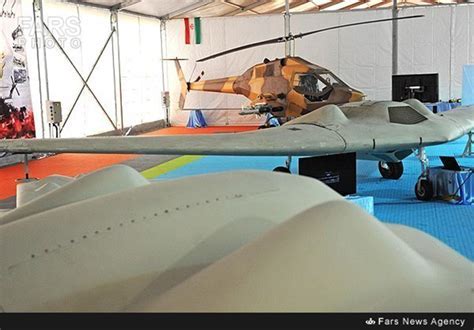
On December 4, 2011, Iranian forces claimed to have downed and recovered an RQ-170 that allegedly entered their airspace. U.S. officials later confirmed the drone was genuine and operated by the CIA. Iranian media displayed the intact airframe, and officials claimed they had accessed its onboard data.
By April 2012, Iran’s Revolutionary Guard announced they had reverse-engineered the UAV. Subsequent developments include the Shahed 171 Simorgh and Saegheh-2, the latter said to carry four precision-guided munitions. During the 2018 Israel–Syria incident, the Israeli Air Force shot down a Saegheh, confirming the Iranian clone’s resemblance to the Sentinel. Brigadier General Tomer Bar noted it mimicked “western technology” with alarming sophistication.
Strategic Operators and Enduring Role
Despite its limited production run, the Sentinel maintains a critical niche within the USAF’s intelligence apparatus. Its stealth profile allows access to airspaces where conventional UAVs would risk detection or destruction. Operators include:
- 30th Reconnaissance Squadron – Creech AFB, Nevada
- 44th Reconnaissance Squadron – Creech AFB, Nevada
The crew of three (ground-based operators) manages navigation, mission payload, and communications. While its endurance of 5–6 hours may seem modest compared to other long-range UAVs, its low observable features and advanced sensors offset this limitation.
Technical Specifications
- Length: 14 ft 9 in (4.5 m)
- Wingspan: 65 ft 7 in (20 m)
- Height: ~6 ft (1.8 m)
- Engine: Single Garrett TFE731 or GE TF34 turbofan (unconfirmed)
- Endurance: 5–6 hours
- Service Ceiling: ~50,000 ft (15,000 m)
- Crew: 3 (ground control)
Its medium-grey paint scheme suggests operations below high stratospheric levels, avoiding the darker coatings used for higher altitude concealment. These details—combined with the aircraft’s platform versatility—point toward a mid-altitude, penetrating ISR role.
Conclusion: A Silent Sentinel in the Skies
The Lockheed Martin RQ-170 Sentinel represents a strategic fusion of stealth, endurance, and reconnaissance capabilities. Unlike drones designed for persistent overhead presence, the Sentinel excels in covert penetration and intelligence retrieval in politically sensitive regions. With the growing complexity of modern air defense systems and the rise of contested aerial zones, platforms like the RQ-170 play an indispensable role in future asymmetric and grey-zone operations.
Although partially exposed through international incidents and adversary replication efforts, the Sentinel remains a cornerstone of clandestine U.S. aerial surveillance, bridging the gap between traditional manned reconnaissance and full-spectrum unmanned warfare.