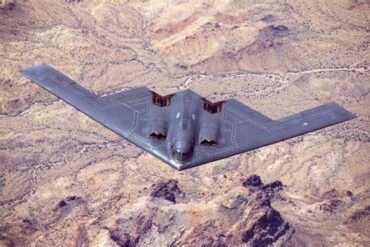
The Northrop Grumman B-2 Spirit stands as one of the most iconic examples of modern stealth aviation — a technological marvel built to vanish from radar, evade detection, and deliver devastating payloads deep within hostile territory. Designed with a cutting-edge flying-wing profile and crafted from radar-absorbing materials, the B-2 was meant to be unseen. Yet, in an ironic twist, one of the world’s most secretive aircraft was spotted not by an adversary’s defense network, but by the unblinking eye of Google Maps, accessible to anyone with an internet connection.
A Stealth Icon Spotted in the Open
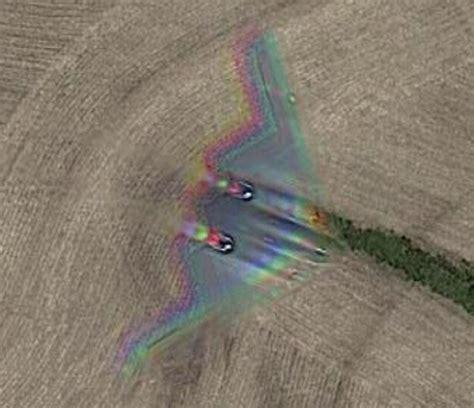
In late December 2021, an observant Reddit user known as Hippowned uncovered an extraordinary sight on Google Maps: a B-2 Spirit stealth bomber soaring above a field roughly 50 miles east of Kansas City, Missouri. The image appeared blurred and streaked with red, green, and blue hues, a byproduct of how the satellite imagery system captures and merges color channels. The coordinates—39°01’18.5”, -93°35’40.5”—quickly circulated among aviation enthusiasts. Despite its reputation for elusiveness, the Spirit had been momentarily frozen in time by a commercial mapping service.
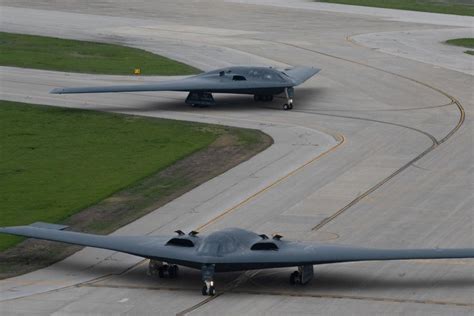
The B-2 in this image was most likely in the midst of a routine training flight from Whiteman Air Force Base, the only facility in the United States that houses these rare bombers. The discovery sparked intrigue across aviation circles, as enthusiasts marveled at the rare opportunity to witness a stealth bomber in flight captured by a publicly accessible tool.
The Disappearance of the Image
While the discovery caused a surge of online discussion, the image’s availability was fleeting. Not long after its exposure, the satellite snapshot vanished from Google Maps, replaced by the ordinary appearance of an empty field. Whether this removal resulted from automatic image refreshing or a deliberate takedown remains a topic of speculation. Regardless, the incident highlighted a compelling irony: a bomber purpose-built to disappear from detection had instead been inadvertently showcased to the world.
The B-2 Spirit: A Closer Look
The B-2 Spirit, developed by Northrop Grumman, entered service in 1997 after years of classified development. Only 21 units were ever built between 1987 and 2000, reflecting the bomber’s staggering cost—estimated at over $2 billion per aircraft when factoring in research and development. This limited production underscores its value as a strategic asset designed for high-stakes missions.
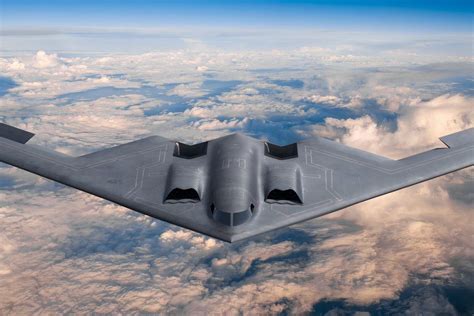
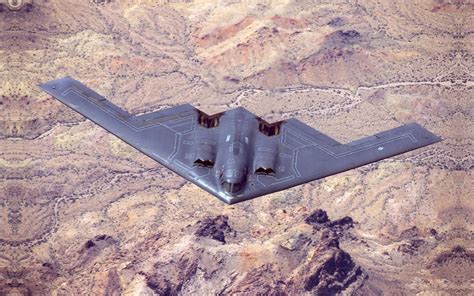
The B-2 combines low observable technology, precision weapon delivery, and intercontinental range. Its distinct flying-wing design minimizes radar signatures, while its specialized composite materials absorb electromagnetic waves. Together, these features allow the B-2 to infiltrate some of the most fortified air defense networks on Earth. It has been used in conflicts across Kosovo, Afghanistan, Iraq, and Libya, earning a reputation as the ultimate long-range strike aircraft.
Why Stealth Isn’t Invisibility
The Google Maps incident sparked discussions about the limits of stealth technology. The B-2 Spirit isn’t invisible—it’s stealthy. Stealth reduces detection probabilities against radar, infrared, and acoustic systems, but satellite imagery relies on optical sensors, not radar. A satellite capturing high-resolution images from above can see the bomber just as a human eye might, albeit from hundreds of miles away. This distinction explains why the Spirit, designed to remain elusive to radar-guided defense networks, can still be photographed by commercial satellites if timing aligns perfectly.
The Kansas City Sighting in Context
Interestingly, this wasn’t the first time the B-2 Spirit had been inadvertently revealed on public satellite imagery. In 2022, another image surfaced on Google Maps showing the wreckage of a B-2 at Whiteman Air Force Base following an accident involving the Spirit of Georgia. That aircraft suffered a hydraulic failure during landing in September 2021, causing it to veer off the runway. The damage was severe, amounting to over $10 million, and investigations traced the issue to tiny cracks in the hydraulic system and faulty landing gear springs. These incidents underscore the B-2’s complexity and the challenges of maintaining such an advanced platform.
The Legacy of the B-2 Spirit
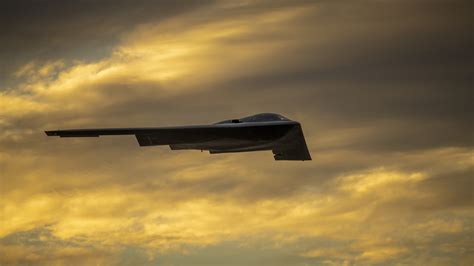
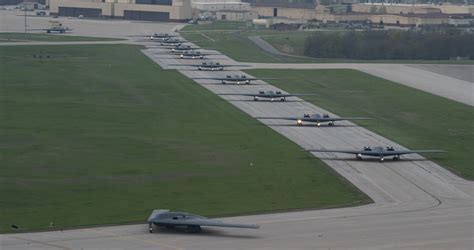
Despite its age, the B-2 Spirit remains the pinnacle of stealth bomber technology. Stationed at Whiteman Air Force Base in Missouri, it continues to form the backbone of America’s strategic bomber fleet. With its intercontinental range and ability to deliver both conventional and nuclear payloads, it plays a vital role in maintaining U.S. deterrence capabilities. However, the B-2’s days are numbered. The Northrop Grumman B-21 Raider, a next-generation stealth bomber, is slated to begin replacing the Spirit in the early 2030s, heralding a new era of strategic strike aviation.
The Intersection of Technology and Public Access
The brief moment when a B-2 Spirit appeared on Google Maps also highlights a broader issue: the increasing accessibility of advanced observation technologies to the public. Satellite imaging, once the domain of military and intelligence agencies, is now available to anyone with a smartphone. The democratization of this technology means that even the most secretive assets are at risk of being observed inadvertently. For the B-2, a bomber whose design intent is to avoid detection, this represents a peculiar paradox of modern surveillance—stealth can be undermined not by military adversaries, but by the global public with access to open-source tools.
A Symbol of Power and Vulnerability
The B-2 Spirit remains a symbol of American air power, representing the height of stealth technology and strategic reach. Yet the Google Maps capture demonstrates its vulnerability to unexpected exposure in an age where information flows freely. It is a reminder that in the modern surveillance landscape, no system—no matter how advanced—is truly beyond observation.
As the B-2 approaches the twilight of its operational career, its legacy endures. It will be remembered not only as a fearsome weapon of war but also as a technological masterpiece that, despite its design to remain unseen, could not entirely escape the watchful eyes of the world.