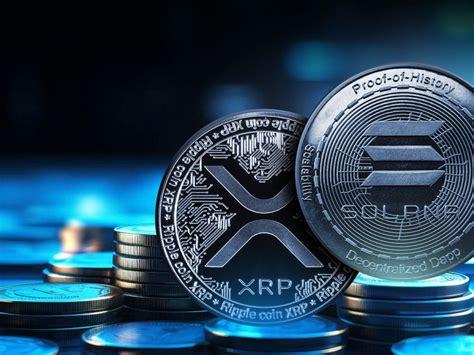
The global financial ecosystem has undergone a dramatic transformation, and nowhere is this more evident than in the meteoric rise of Solana. From 2020 to 2025, Solana surged by an astonishing 3,688%, decisively outperforming tech giants like Google, Meta, and Microsoft, as well as stalwart cryptocurrencies including Ethereum, Bitcoin, and Binance Coin. This surge has captured the attention of travel investors who are now reassessing the traditional balance between stocks and digital assets in funding the future of global tourism.
Crypto’s unexpected dominance over stocks in recent years reflects more than speculative enthusiasm—it signals a potential seismic shift in how wealth is created, stored, and spent. For the travel industry, this is not just a financial story; it is a wake-up call to reimagine tourism infrastructure, loyalty programs, and customer experience models to align with the demands of a crypto-fluent traveler demographic.

Solana’s Rise and Its Implications for Travel Investments
Between 2020 and 2025, Solana emerged from relative obscurity to become one of the most profitable assets on the planet. With gains surpassing 3,600%, it eclipsed the performance of traditional powerhouses in both the stock and crypto markets. This outperformance isn’t just an abstract victory for early crypto adopters. It represents a profound shift in investment priorities, with travel sector stakeholders now recognizing that future tourists may not just be credit card users but crypto wallet holders.
The ripple effect is already being felt. Tourism authorities, hotel chains, and airlines are reevaluating how they attract and retain customers. The conversation has expanded from mere digital transformation to full-scale Web3 integration, including crypto payment gateways, NFT-based loyalty programs, and decentralized identity solutions that promise frictionless travel.
The 2020–2025 Investment Landscape: Winners That Redefined Wealth Flows
In the five-year period, the traditional and digital asset classes painted a starkly different picture of growth potential:
- Solana: +3,688%
- Binance Coin: +1,612%
- Ethereum: +318%
- Bitcoin: +279%
- BAE Systems: +268%
- Meta / Microsoft / Netflix: +110% to +133%
- Gold: +88%
These numbers highlight how crypto assets became the go-to wealth generator, displacing long-trusted investments like gold and even outperforming tech giants. The implications for the travel industry are clear: the wealth of tomorrow’s travelers is increasingly stored in digital formats, and tourism operators must adapt to serve these new preferences or risk being outpaced.

The Crypto-Wealthy Traveler: A New Archetype
Today’s affluent traveler is no longer defined solely by conventional assets or credit scores. The rise of crypto millionaires and digital nomads has created a customer base that demands more from travel providers. This new breed of traveler expects crypto-friendly bookings, NFT-enabled loyalty programs, and immersive virtual previews of destinations before committing.
The 3,688% gain in Solana is emblematic of the type of wealth fueling these expectations. This wealth isn’t hypothetical—it’s liquid, accessible, and ready to be spent on experiences that align with a digital-first lifestyle. Airlines, hotels, and tour operators that fail to meet these demands face irrelevance in a fiercely competitive market.
The Lag of Legacy Travel Infrastructure
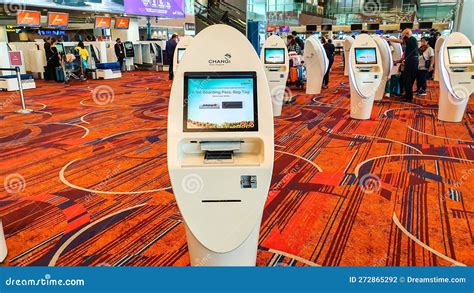
While crypto surges, much of the travel industry remains mired in legacy systems. Major airports have yet to integrate Web3 wallet support into terminals. Airlines continue to rely on outdated rewards structures that fail to resonate with crypto-rich customers. Insurers lag behind in developing blockchain-based claims systems that could revolutionize travel protection.
This disconnect highlights an urgent need for acceleration in digital innovation. The future belongs to brands that can offer seamless, crypto-enabled journeys—from booking to boarding, from check-in to checkout.
Hotels and Destinations: Tapping Into DeFi for New Revenue Streams
Beyond simple crypto payments, the rise of Binance Coin (+1,612%) and Ethereum (+318%) signals deeper opportunities in decentralized finance (DeFi) for travel brands. Forward-looking resorts and tourism boards are already experimenting with models that allow guests to stake tokens for future discounts or own fractional shares of luxury accommodations.
The result? A more engaged, loyal, and financially invested customer base. These aren’t futuristic ideas—they’re operational realities in pioneering destinations such as Dubai and select Indian Ocean islands, where blockchain-driven hospitality models are being actively piloted.
Geopolitical Dynamics and Their Influence on Travel Flows
The 268% gain in BAE Systems underscores the impact of global instability on travel patterns. As military spending rises, geopolitical tensions have reshaped air corridors, disrupted routes, and altered traveler preferences. Nations that can offer political neutrality, security, and digital innovation will likely become top choices for crypto-wealthy travelers seeking peace of mind alongside cutting-edge service.
Big Tech’s Diminished Role in Travel Innovation
While Meta, Microsoft, and Google posted solid gains, their relative underperformance compared to crypto underscores a paradigm shift. These companies remain vital partners in AI, cloud services, and AR travel tech, but the future of travel innovation will likely be driven by partnerships with blockchain startups, crypto payment providers, and Web3 developers. Travel brands can no longer depend solely on Big Tech; diversification of technology partners is now essential.

Emotional Security: Gold’s Modest Rise Reflects Continued Demand
Gold’s modest 88% rise may appear lackluster beside crypto’s towering gains, yet it signals continued demand for emotional and financial security among certain traveler segments. For conservative tourists, families, and retirees, destinations that emphasize privacy, stability, and timeless appeal will continue to attract. This duality—catering both to crypto-wealthy digital natives and tradition-oriented travelers—will define tourism marketing strategies in the years ahead.
The Urgency of Adaptation: Travel’s Next Frontier
The 2020–2025 investment cycle has drawn a clear line in the sand. The travel sector is at a crossroads where inaction risks obsolescence. Those who move swiftly to integrate crypto payments, DeFi offerings, and Web3 experiences will capture the loyalty of a new generation of travelers. Those who hesitate will watch as customers gravitate toward more agile, innovative competitors.
The time for cautious exploration is over. The travel industry’s future is being written today—in code, on blockchains, and in digital wallets. Brands that recognize this shift and respond with bold, strategic moves will not just survive—they will lead the next era of global tourism.