The airline sector experienced a notable rally this week, fueled by a stronger-than-expected U.S. jobs report that has bolstered investor confidence across transportation and travel-related equities. As Wall Street digested the implications of the new employment data, major airline stocks led the broader market gains, signaling renewed optimism for the post-pandemic travel economy.
The U.S. Department of Labor reported that nonfarm payrolls increased by 272,000 in May, significantly outperforming economists’ consensus estimate of 190,000. The robust job creation figure not only eased fears of a labor market slowdown but also suggested sustained consumer demand—a key driver for airline revenue. The unemployment rate ticked slightly higher to 4.0%, yet the underlying strength in hiring sent a clear message: the American economy remains resilient.
Airline Stocks React to Jobs Data with Sharp Gains
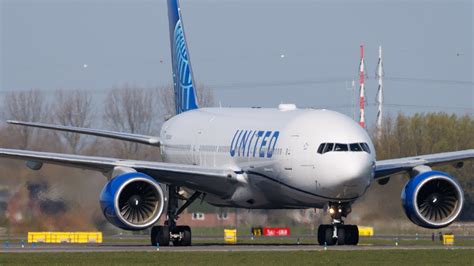
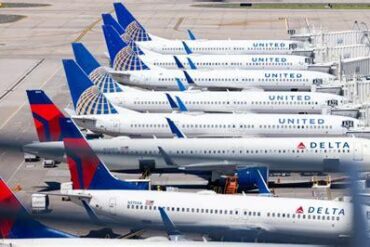
Among the biggest beneficiaries of the employment data were legacy carriers and major low-cost airlines, which posted sharp intraday gains as investors recalibrated expectations for consumer travel behavior in the coming quarters. Delta Air Lines (DAL) rose over 6% on the day, while United Airlines (UAL) and American Airlines (AAL) each climbed between 4% and 5%. Budget carriers like Southwest Airlines (LUV) and JetBlue Airways (JBLU) also experienced a noticeable uptick, reflecting renewed enthusiasm in the broader aviation sector.
Airline stocks, which often act as barometers of economic sentiment, are highly sensitive to labor market dynamics. A stronger jobs market typically signals increased consumer spending on discretionary items, including air travel. This correlation becomes particularly pronounced during periods of economic transition, where sentiment is volatile and policy uncertainty looms large.
Fueling Confidence: What the Jobs Report Means for Travel
The May employment report reinforced a key economic narrative: consumers are still spending, and the labor market, while cooling from its pandemic-era peaks, remains sturdy enough to support discretionary sectors like aviation. With more people gainfully employed, demand for leisure and business travel appears poised to remain elevated through the summer season.
For airlines, this spells potential upside on both load factors and ticket yields, particularly for domestic and short-haul international routes. Industry analysts have already begun revising their earnings projections for the second and third quarters, citing improved demand visibility and pricing stability. Corporate travel, which had lagged behind leisure for much of 2022 and 2023, is also showing signs of life, especially in high-margin business routes connecting financial and tech hubs.

Fed Policy Uncertainty Remains, But Equities Stay Bullish
Despite the upbeat jobs data, questions remain about the trajectory of Federal Reserve interest rate policy. Traditionally, stronger employment figures might prompt policymakers to delay rate cuts or even consider further hikes to combat inflation. However, the nuanced nature of the report—solid hiring but rising unemployment—complicates the monetary policy outlook.
Investors appear to be betting that the Fed will interpret the latest figures as evidence of a soft landing, rather than an overheating economy. This sentiment was reflected in the U.S. 10-year Treasury yield, which saw only modest movement, and in broader market indices like the S&P 500 and Dow Jones Transportation Average, the latter of which rose nearly 3% following the report.
Airlines, whose profit margins are highly sensitive to macroeconomic shifts and interest rate volatility, stand to benefit from a stable or easing rate environment. Lower borrowing costs would allow carriers to refinance debt accumulated during the pandemic and invest in fleet upgrades and digital transformation projects.
Demand Resurgence and Capacity Discipline Create Tailwinds
Another factor amplifying the recent rally in airline equities is the improving supply-demand balance within the industry. Since late 2022, airlines have exhibited greater capacity discipline, resisting the urge to flood the market with excessive seats even amid rising demand. This has allowed carriers to preserve pricing power and avoid the kind of overcapacity that plagued pre-pandemic profitability.
In tandem with positive labor data, airlines are entering the summer travel season with strong booking trends and relatively stable fuel prices. Jet fuel, a volatile cost center for carriers, has remained below recent highs, easing margin pressures. Many airlines also locked in favorable hedging positions earlier in the year, shielding them from short-term spikes in crude oil prices.
Airlines Reap Gains From Strategic Realignments
The ongoing strategic realignment within the industry is also contributing to investor enthusiasm. Several U.S. airlines have pursued new international partnerships, reshuffled route networks, and restructured loyalty programs to capture incremental revenue. For instance, Delta’s growing transatlantic footprint and United’s expansion into secondary European markets are seen as revenue-accretive plays that reduce reliance on North American leisure demand.
Meanwhile, American Airlines has focused on optimizing its domestic hub strategy, pulling back from underperforming markets while reinforcing profitable strongholds like Dallas-Fort Worth and Charlotte. These moves, coupled with a renewed focus on operational reliability, have boosted investor sentiment. Analysts believe that as long as employment growth remains steady, these strategies will bear fruit throughout the fiscal year.
Airline ETFs and Indexes Outperform Broader Market
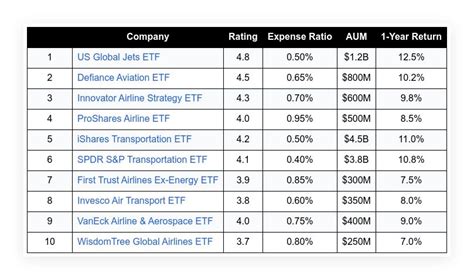
Beyond individual stocks, the positive sentiment has also lifted airline-focused ETFs such as the U.S. Global Jets ETF (JETS), which saw a 5% surge in trading volume following the jobs report. The ETF, which tracks a basket of global airline stocks, has historically been a popular way for retail and institutional investors to gain exposure to the airline sector without betting on a single company.
Similarly, the Dow Jones U.S. Airlines Index posted its strongest weekly performance since early 2023, outperforming the S&P 500 and Nasdaq Composite. The broader transportation index also gained momentum, reflecting a spillover of investor optimism into adjacent sectors like air freight, airport services, and aircraft leasing firms.
Challenges Remain: Labor Costs and Geopolitical Risks
Despite the rally, the airline industry still faces several headwinds that could temper gains in the second half of 2025. Chief among them is rising labor costs. Pilots, flight attendants, and ground crew unions have been pressing for higher wages in light of improved profitability and inflation pressures. Several major carriers are in the midst of contentious contract negotiations, which could lead to operational disruptions if agreements are not reached.
Geopolitical instability also remains a risk, particularly for carriers with significant exposure to Eastern Europe, the Middle East, or Asia-Pacific routes. Rising tensions in the South China Sea and uncertainties surrounding the Russia-Ukraine conflict could impact fuel prices and passenger sentiment in those regions.
Long-Term Outlook: Stability Hinges on Macro Resilience
The latest employment data has undoubtedly injected fresh momentum into airline stocks, but sustainability will depend on broader macroeconomic resilience. Should job creation continue at a moderate pace and inflation pressures ease, the environment would remain favorable for airlines to capitalize on pent-up travel demand and renewed business activity.
However, any resurgence of inflation or a sharp downturn in the labor market could reverse recent gains quickly. Investors will need to keep a close eye on upcoming data releases, including CPI figures and Fed meeting minutes, to gauge the staying power of the current rally.
In the meantime, with load factors climbing, consumer confidence stabilizing, and financial markets showing increased risk appetite, the airline industry appears well-positioned to benefit from an economy that refuses to stall.