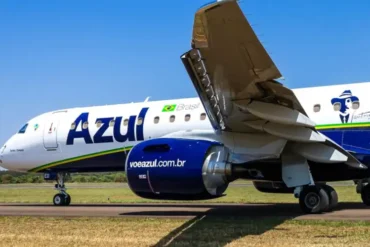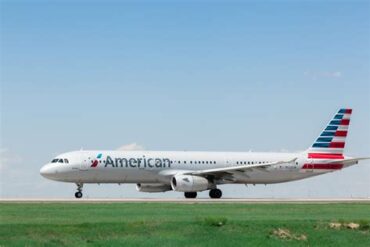
American Airlines has received regulatory approval to acquire a minority stake in Azul Linhas Aéreas, marking a significant step toward deeper cooperation between two major players connecting the United States and Brazil. Brazil’s Administrative Council for Economic Defense (CADE) cleared the Fort Worth-based carrier’s planned investment of up to $100 million, allowing American Airlines to purchase an 8.66% equity stake in Azul.
The approval comes as Azul continues its financial restructuring process following its Chapter 11 bankruptcy filing in the United States. For American Airlines, the investment represents more than a financial commitment. It creates an opportunity to strengthen its position in the Brazilian market while expanding partnerships across South America’s largest aviation economy.
American Airlines Investment Strengthens Azul’s Recovery Strategy
CADE concluded that American Airlines’ investment would not negatively impact competition in Brazil’s aviation sector, approving the transaction without additional conditions. The regulator determined that although the airlines share some international routes, their networks are largely complementary rather than directly competitive.
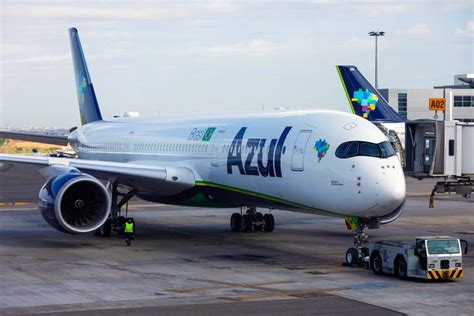
The investment will provide American Airlines with representation within Azul’s corporate structure. Under the agreement, American will gain the right to appoint one member to Azul’s board of directors, along with another representative to strategic committees. This arrangement is expected to support closer cooperation between the two airlines as they develop future commercial opportunities.
The partnership is also expected to expand customer benefits through enhanced codeshare agreements, improved airport lounge access, and reciprocal frequent flyer advantages. These measures could make travel between the United States and Brazil more convenient for passengers while allowing both airlines to improve network connectivity.
Competition Concerns and Abra Group Opposition
The approval was not without opposition. The Abra Group, the parent company of Brazilian carrier GOL Linhas Aéreas and Colombia’s Avianca, argued that American Airlines’ investment could reduce competition by influencing traffic flows in Brazil’s aviation market.
However, CADE determined that Azul’s network largely complements GOL’s operations rather than creating a direct competitive threat. The regulator also noted that overlapping routes between American Airlines and Azul remain limited, particularly on flights connecting Brazil with the United States.
Some of the shared markets include routes between São Paulo/Guarulhos International Airport (GRU) and Rio de Janeiro/Galeão International Airport (GIG) to destinations such as Miami International Airport (MIA) and Orlando International Airport (MCO). CADE concluded that the level of competition between the carriers was not sufficient to create significant antitrust concerns.
The decision could still face appeals or additional regulatory review, but if no further challenges emerge, American Airlines will officially become a minority shareholder in one of Brazil’s most recognized airlines.
Azul’s Role in Brazil’s Aviation Market
Founded in 2008, Azul has become one of Brazil’s most important airlines by focusing on connecting smaller cities and underserved regions. The carrier was created by aviation entrepreneur David Neeleman, who previously founded airlines including JetBlue and WestJet.
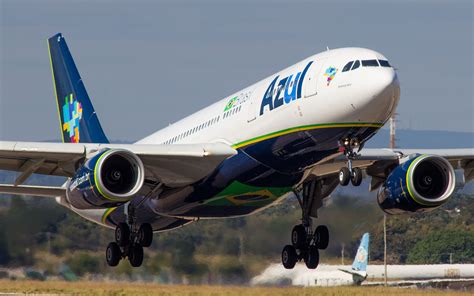
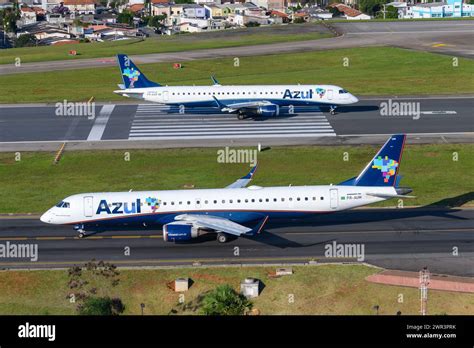
Over the years, Azul developed a unique network strategy by stimulating demand in markets that were often overlooked by larger competitors. Today, the airline serves more than 150 destinations and operates a fleet of more than 170 aircraft, including the Airbus A320neo, Airbus A321neo, Airbus A330-200, Airbus A330-900, ATR 72-500, Embraer E195, and Embraer E195-E2.
Azul also operates dedicated cargo aircraft, including two Airbus A321-200P2F freighters. Its extensive domestic network has helped make it the fourth-largest airline in South America, following LATAM, Avianca, and GOL.
A Major Investment During Azul’s Bankruptcy Restructuring
Azul entered Chapter 11 proceedings in May 2025 after facing several financial pressures, including high debt levels, rising fuel expenses, aircraft availability problems caused by supply chain disruptions, and currency volatility.
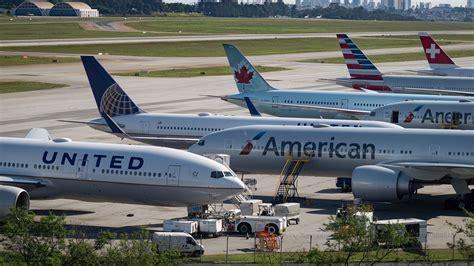
The restructuring plan aims to reduce more than $2 billion in existing debt, providing the airline with a path toward long-term stability. Azul has attracted investment interest from multiple international carriers, including American Airlines’ domestic rival United Airlines, which previously committed $100 million and increased its ownership position in Azul.
American Airlines’ investment will be completed through long-term security warrants, giving the carrier a strategic position in Azul’s future development. The agreement reflects growing interest from major global airlines in Brazil’s aviation market, where demand for international and domestic connectivity continues to expand.
A New Chapter for US-Brazil Air Travel
The partnership between American Airlines and Azul could reshape competition and cooperation in the Americas. By combining American’s global network with Azul’s extensive Brazilian domestic presence, the airlines could create stronger travel options for passengers moving between North America and South America.
As Azul works toward completing its restructuring and returning to financial strength, support from major international airlines could accelerate its recovery. For American Airlines, the investment provides a valuable opportunity to expand its influence in Brazil while building a closer relationship with one of Latin America’s most distinctive carriers.