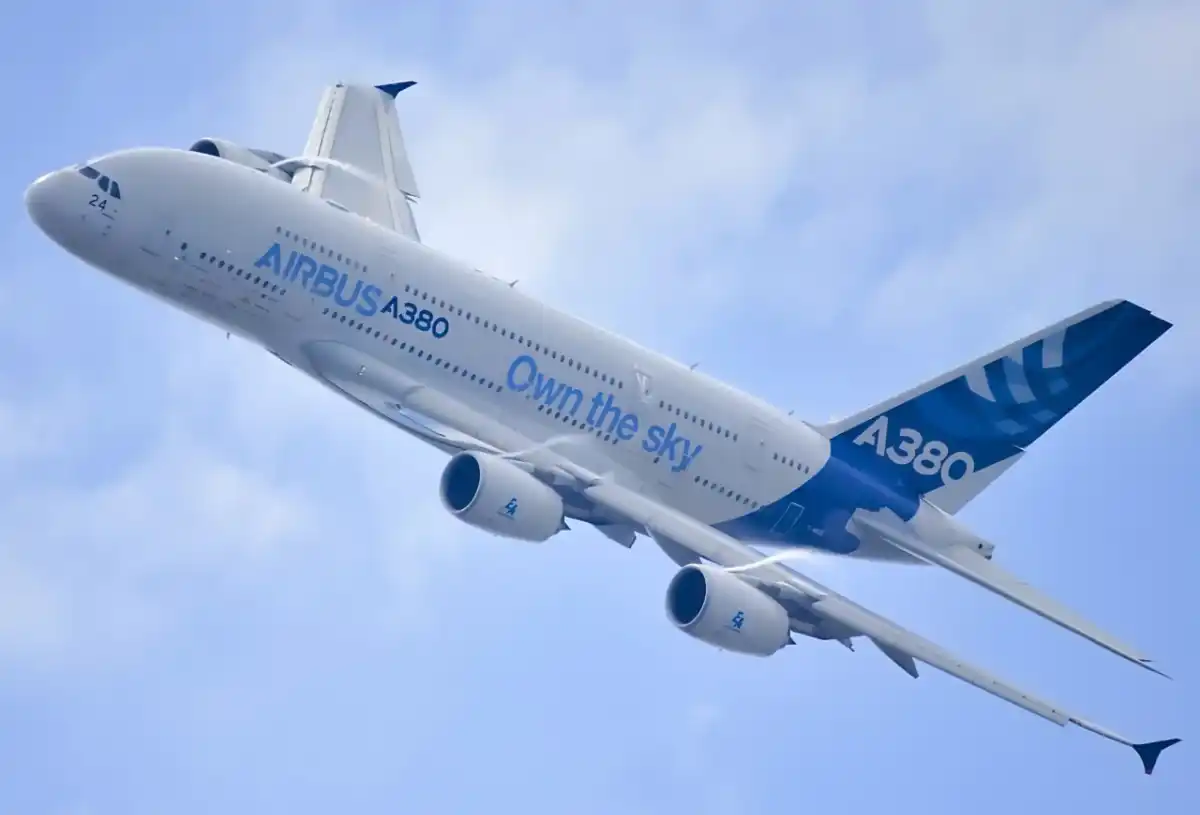
The Federal Aviation Administration has issued an emergency airworthiness directive demanding the urgent replacement of critical turbine components inside certain Airbus A380 engines, following an uncontained failure that forced a superjumbo to abandon its takeoff roll. The directive, published on October 8, targets fifteen high-pressure turbine interstage seals fitted to Engine Alliance GP7200-series powerplants, the four-engine turbofans that propel the largest passenger aircraft ever built. The order takes effect on October 23, and it carries the agency’s most severe compliance timeline: affected seals must be removed and replaced within 50 flight cycles or 30 days, whichever arrives first. The cost of compliance is steep, estimated at up to $528,150 per affected engine, a figure that reflects the complexity of opening a turbofan of this size and the specialised labour required to return it to service.
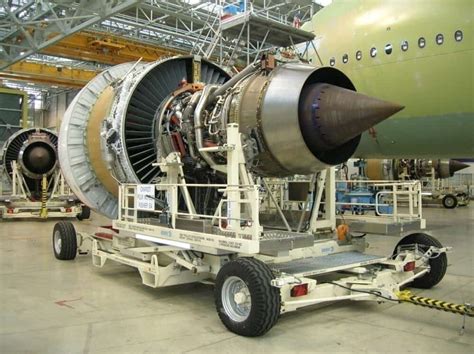
The incident that triggered the directive involved an A380 powered by GP7270 engines, which suffered an uncontained failure of an interstage seal during a takeoff attempt. When a component fails in an uncontained manner, debris escapes the engine’s protective casing entirely, rather than being held inside the containment structure as certification standards demand. That escaping material carries the potential to sever fuel lines, hydraulic conduits, and flight control cables, or to puncture the fuselage and wing structures surrounding the powerplant. In this case, the crew shut down the affected engine and aborted the takeoff, bringing the aircraft safely to a halt. Neither the operating airline, the aircraft registration, nor the date of the occurrence has been disclosed in the FAA’s documentation, leaving investigators to focus squarely on the hardware itself.
Manufacturer Investigation Points to Seal Clocking and Cracking at Locating Features
A manufacturer’s investigation into the failed seal has identified a specific and troubling failure mechanism. Cracking appears to have initiated at the locating features between the interstage seal and its shaft, originating from the first-stage turbine disk. Investigators further determined that the relative rotation of the seal within its seating, a phenomenon engineers call “clocking,” contributed materially to the failure. In plain terms, the seal was able to migrate out of its designed position, concentrating stress at points never intended to bear it, until the metal cracked and released fragments into the engine’s interior.
The inquiry has also uncovered a broader concern that extends well beyond this single powerplant. The manufacturer found that greater movement in seals has been possible in engines that were reassembled during overhaul, the scheduled maintenance process in which an engine is removed from the wing, disassembled, cleaned, inspected, repaired, and then rebuilt and tested to strict manufacturer and airworthiness standards. If reassembly tolerances allow a seal additional freedom to rotate or shift, then every engine that has passed through a heavy maintenance shop becomes a potential candidate for the same defect, regardless of how many hours it has flown.
Which Engine Alliance Variants Fall Under the FAA Mandate
The Airworthiness Directive applies across the GP7000 turbofan family and covers three distinct ratings, each serving a different operational role on the A380. The GP7270, producing 70,000 lbf of thrust, powers standard passenger variants of the double-decker and was the model involved in the aborted takeoff. The GP7272, rated at 72,000 lbf, delivers higher output for operations in warmer ambient conditions where thinner air reduces available thrust. The most powerful member, the GP7277, generates between 76,500 lbf and 80,290 lbf, and is intended for heavy-duty configurations that demand maximum performance from the airframe.
All three share a common architecture that traces its lineage to two of the most successful commercial engine programmes in history. The GP7000 is a joint venture between GE Aerospace and Pratt & Whitney, combining a core derived from the GE90 with a low-pressure system adapted from the PW4000. Each engine breathes through a 116-inch (294.6 cm) swept titanium fan and manages its operation through a full-authority digital electronic engine control system. That shared design heritage is precisely why a single seal failure mechanism can trigger a fleet-wide mandate rather than a narrow, type-specific fix.
Urgent Removal Ordered as FAA Warns of Engine Fire Risk
The FAA has mandated the removal of the fifteen seals that have accumulated the highest number of total flight cycles, prioritising the components most exposed to the wear and thermal stress that precede cracking. The agency’s language is unusually blunt, warning that another failure of this kind could result in an engine fire aboard the A380 and lead to damage to the aircraft. Given that prospect, regulators declined to follow the normal notice-and-comment procedure, adopting the rule immediately because of the imminent safety risk and the short compliance window. Operators must now install eligible parts in accordance with the applicable Engine Alliance service bulletin.
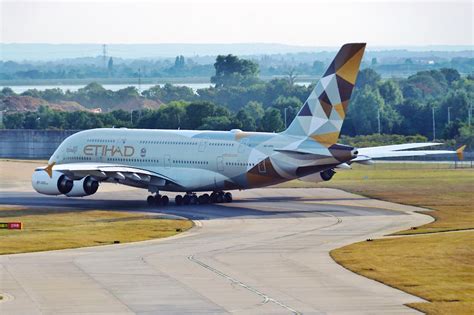
The directive is explicitly an interim measure, and the FAA has signalled that further rulemaking could follow once the root cause is fully established. Notably, no affected engines are currently installed on US-registered aircraft, since no American carrier operates the A380, and the agency has not specified how many aircraft worldwide fall within the mandate’s scope. For operators across Asia, Europe, and the Middle East, the practical consequence is a compressed maintenance schedule and a substantial bill at a time when A380 fleets are already working hard on high-density long-haul routes.
The Superjumbo That Outlived Its Own Obituary
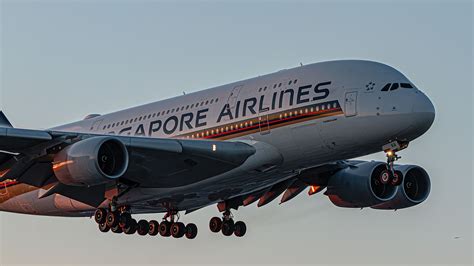
The aircraft at the centre of this directive remains a singular engineering achievement. Airbus produced the A380 until 2021, and it stands as the largest passenger aircraft in the world and the only full-length double-deck jetliner ever to enter commercial service. Its launch operator was Singapore Airlines, which introduced the type on October 25, 2007, flying between Singapore Changi Airport (SIN) and Sydney Kingsford Smith Airport (SYD). The jet’s commercial programme cost an estimated $30 billion to develop, a figure widely cited as one of the industry’s most painful investments, yet the A380 has since become one of the most beloved aircraft in the sky among passengers, who prize its spacious cabins, quiet upper deck, and unmatched sense of scale.
That affection has proven commercially durable. Airlines that once planned to retire their superjumbos have returned them to service, refurbished their interiors, and deployed them on the world’s busiest long-haul corridors, where nothing else moves as many passengers in a single departure. The irony of the current situation is difficult to miss: an aircraft written off by analysts as a financial failure is now in such demand that a mandatory seal replacement affecting every GP7000-powered example represents a genuine scheduling problem rather than a convenient excuse to park the fleet.
What the A380 Seal Directive Means for Global Operators
For airlines flying the Engine Alliance GP7200, the compliance clock that began on October 23 demands rapid coordination between engineering departments, maintenance providers, and parts suppliers. Engines must be removed, opened, and fitted with replacement seals drawn from the revised service bulletin, then tested and returned to the wing within the 50-flight-cycle or 30-day limit. On a type that typically flies long sectors, fifty cycles can pass quickly, meaning the windows for each aircraft are narrow and unforgiving.
The deeper question concerns the remaining fleet. If seal clocking can occur in any engine that has passed through overhaul, and if the root cause has not yet been isolated, then the fifteen seals singled out for immediate removal may represent the leading edge of a far wider inspection and replacement campaign. Operators will be watching the manufacturer’s findings closely, and the FAA has left the door open to additional rulemaking. Until the investigation closes, the A380’s return to favour rests on a component barely larger than a dinner plate, seated deep inside the most powerful turbofan ever fitted to a civil airliner.