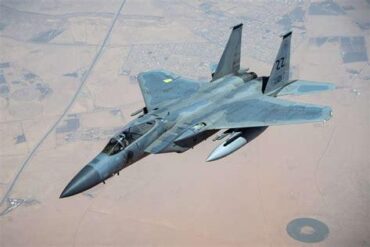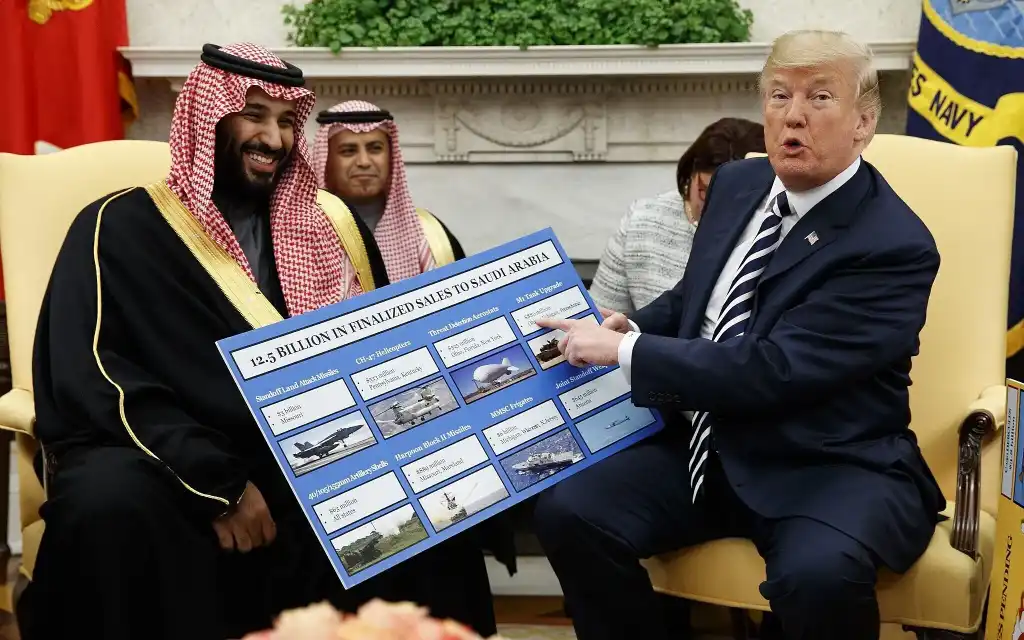
In a landmark agreement that redefines military partnerships in the Middle East, the United States has agreed to sell Saudi Arabia an arms package valued at nearly $142 billion, marking what the White House has declared the largest defense cooperation deal in American history. The monumental deal, formalized during former President Donald Trump’s high-profile visit to Riyadh, is a strategic signal of the deepening security alliance between Washington and the Kingdom of Saudi Arabia.
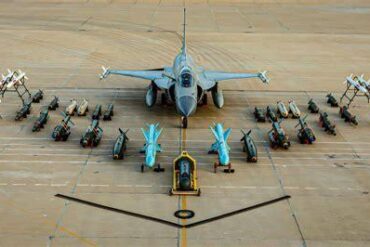
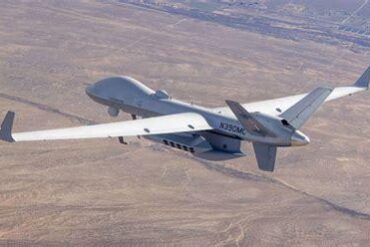
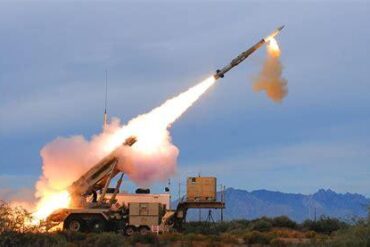
The White House’s official fact sheet underscores the scale and significance of the agreement, describing it as a comprehensive framework of defense cooperation encompassing advanced air and missile defense systems, state-of-the-art air force and space capabilities, enhanced maritime security, and sophisticated communication platforms.
Strategic Recalibration in U.S.-Saudi Relations
This deal is not merely a transactional military sale; it represents a broader recalibration of U.S.-Saudi relations. Saudi Arabia remains the United States’ largest arms customer, a status reaffirmed by this massive package. The agreement involves over a dozen U.S. defense contractors, including prominent names such as Lockheed Martin, Boeing, RTX Corp, and Northrop Grumman, indicating a wide spectrum of technology transfers and industry cooperation.
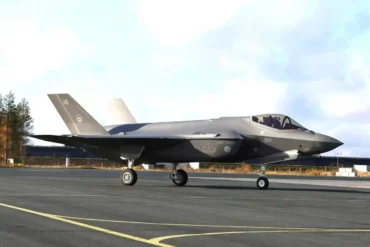
Although not all details have been disclosed, sources within the U.S. administration confirmed the inclusion of Lockheed Martin’s C-130 transport aircraft, radar systems, and missile defense technologies. These platforms are expected to bolster Saudi Arabia’s regional air mobility and strategic deterrence. However, the White House has refrained from confirming whether the highly coveted F-35 stealth fighters, which Riyadh has long sought, will be included in the transaction.
The F-35 Conundrum and Israel’s Strategic Edge
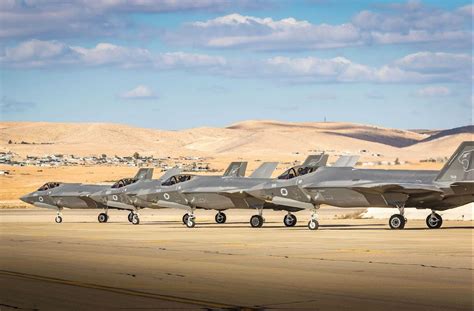
One of the more politically sensitive aspects of the agreement is the potential sale of Lockheed’s F-35 Lightning II fighter jets. These fifth-generation stealth aircraft represent the pinnacle of American air superiority and have been a subject of quiet negotiations between U.S. and Saudi officials.
According to sources briefed on the matter, the U.S. is still assessing whether the sale of F-35s to Saudi Arabia would violate long-standing commitments to preserve Israel’s Qualitative Military Edge (QME). Israel has been operating the F-35 since 2016, and Washington has pledged to ensure that any arms sale in the Middle East does not undermine Israel’s technological advantage.
The issue of QME is not merely a matter of political optics; it is codified in U.S. law and has consistently influenced the Pentagon’s decision-making. Thus, while the F-35 remains on Riyadh’s wishlist, its inclusion in the $142 billion package is still speculative.
Deepening Defense Ties Amid Regional Realignment
This arms package comes at a time of intensifying geopolitical flux in the Middle East. As Washington pivots from large-scale regional interventions toward strategic partnerships, countries like Saudi Arabia are seeking greater autonomy in defense and regional security roles. The Kingdom’s ambitions are not limited to hardware acquisition; it also aims to develop indigenous defense manufacturing and space technologies, which this deal implicitly supports through joint ventures and technology transfers.
Moreover, this agreement arrives amid ongoing efforts by Saudi Arabia to diversify its international relationships, including overtures toward China and Russia. The U.S. arms deal acts as a counterbalance to these emerging alignments, reaffirming America’s commitment to maintaining a dominant strategic posture in the Gulf.
Political Overhang: The Shadow of Khashoggi and Congressional Resistance
This isn’t the first time the U.S. has proposed a massive arms sale to Saudi Arabia. Back in 2017, President Trump announced an $110 billion arms package during his first overseas trip. However, by 2018, only about $14.5 billion worth of those deals had been finalized.
The main disruptor: the murder of journalist Jamal Khashoggi, a brutal incident that shocked the international community and triggered bipartisan criticism in the U.S. Congress. Lawmakers questioned the appropriateness of selling advanced weapons to a government implicated in human rights abuses. While Congress has not yet formally reacted to the current agreement, previous resistance foreshadows potential scrutiny, particularly from arms control advocates and progressive lawmakers.
Industrial Benefits for U.S. Defense Contractors
For American defense companies, this deal represents a windfall of industrial and financial gain. Lockheed Martin is set to lead the pack, with the likely provision of air defense systems and aircraft. RTX Corp and Boeing also stand to benefit from maritime security upgrades and communications systems integral to the Saudi military’s modernization.
According to defense analysts, the deal includes components that are both off-the-shelf and customized, suggesting a phased approach to procurement and deployment. Additionally, parts of the deal are structured to include co-production and assembly within Saudi Arabia, aligning with the Kingdom’s Vision 2030 economic diversification goals.
This level of cooperation is poised to create thousands of U.S. jobs, a narrative that will likely be emphasized in forthcoming White House briefings to garner bipartisan support.
Unanswered Questions and Regional Implications
Despite the announcement’s celebratory tone, many questions remain unanswered. The White House has yet to clarify:
- The exact breakdown of weapon systems included
- The delivery timeline and implementation phases
- The status of F-35 negotiations
- Whether technology transfers include sensitive components like satellite-based surveillance and space assets
These ambiguities invite speculation over the broader strategic calculus, particularly in a region increasingly defined by fluid alliances, proxy conflicts, and nuclear ambitions.
Israel, while not publicly opposing the deal, will likely seek reassurances that its air superiority remains uncontested. Iran, on the other hand, will interpret the arms package as a provocative escalation, potentially accelerating its own military development and bolstering asymmetric warfare tactics through regional proxies.
The Long-Term Strategic Outlook
The $142 billion arms package is not merely a symbol of U.S.-Saudi camaraderie; it is a blueprint for the future of regional military dynamics. It signifies a decisive shift in how Washington intends to project power without boots on the ground, leveraging allied capabilities instead.
For Saudi Arabia, it is an affirmation of its role as the linchpin of Arab military power, equipped not just with weaponry but with the technological edge to lead regional security initiatives. For the U.S., it is an opportunity to cement long-term defense industry leadership, reinforce global supply chains, and maintain influence in an area of vital geopolitical importance.
As the full details of the agreement unfold, one thing remains clear: this is a pivotal moment in the architecture of Middle Eastern defense and diplomacy. The implications of this arms sale will reverberate for decades, shaping not only battlefield dynamics but the very balance of power in the 21st-century Gulf.