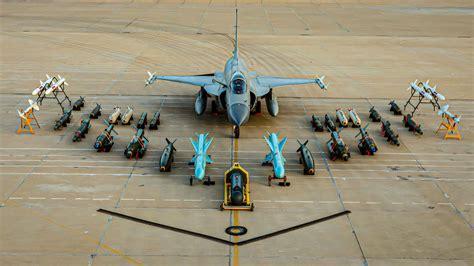
Pakistan and Saudi Arabia are edging closer to a landmark defense agreement that could reshape their military ties and redefine regional airpower dynamics. At the core of the deal is the JF-17 Thunder, a multi-role fighter aircraft jointly developed by Pakistan and China. The proposed arrangement, now under confidential but intensive negotiation, seeks to convert approximately $2 billion in Saudi financial loans into a defense procurement package—potentially scaling up to $4 billion in value. If finalized, this would not only boost Pakistan’s defense export ambitions but also mark a strategic evolution in Saudi Arabia’s military procurement doctrine.
High-Stakes Negotiation Rooted in Strategic Partnership
The discussions trace their origin to the Saudi-Pakistani Mutual Defense Pact, signed in September 2025 in Riyadh. This pact formalized decades of informal defense cooperation, stipulating that aggression against one state would be treated as a shared threat. The current JF-17 fighter jet deal is viewed as the first major tangible step toward implementing this alliance into operational capabilities.
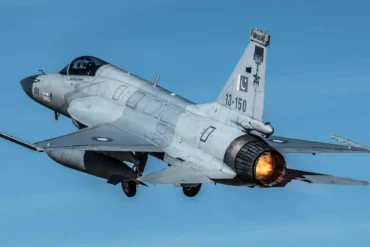
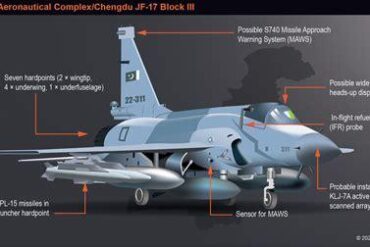
According to military insiders familiar with the process, the proposed package includes aircraft, weapons systems, pilot training, maintenance infrastructure, and sustainment frameworks. The centerpiece is the JF-17 Block III, the latest variant of the Thunder platform.
The JF-17 Thunder: A Strategic, Cost-Effective Force Multiplier
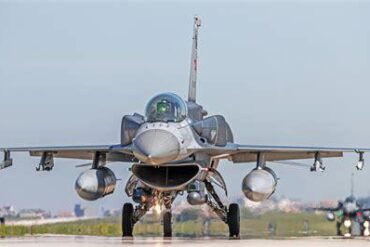
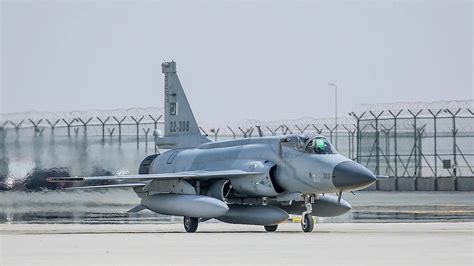
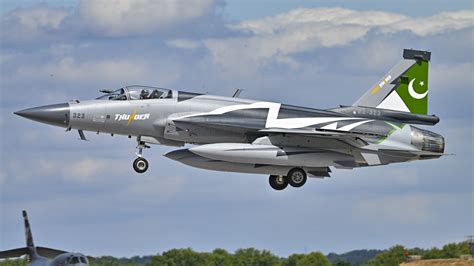
The JF-17 Thunder, also known in China as the FC-1 Xiaolong (Fierce Dragon), is a result of joint development between Pakistan Aeronautical Complex (PAC) and China’s Chengdu Aircraft Industry Group. The PAC retains 58% of airframe co-production with final assembly and testing at the Kamra facility, giving Pakistan a high degree of sovereign control over production and export pathways.
The Block III variant, currently at the center of Saudi interest, brings significant upgrades:
- KLJ-7A AESA radar with enhanced detection and jamming resistance
- Advanced electronic warfare suite
- Sensor fusion to streamline battlefield awareness
- Helmet-mounted sight and display (HMSD) for high off-boresight missile targeting
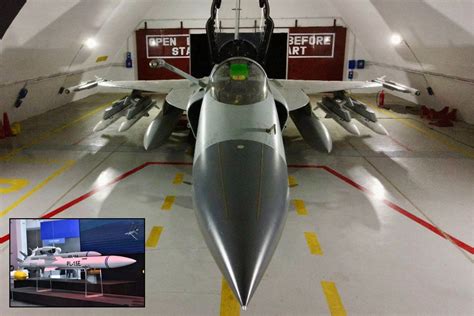
- Expanded weapons compatibility, including beyond-visual-range missiles and precision-guided munitions
Powered by the Klimov RD-93 turbofan engine, the JF-17 can reach speeds of Mach 1.6 and offers a combat radius exceeding 1,300 km, which can be extended via aerial refueling. It supports a payload of over 3,600 kg across seven hardpoints, maintaining a versatile profile ideal for both air-to-air and air-to-ground operations.
Complementary Role Within the Royal Saudi Air Force
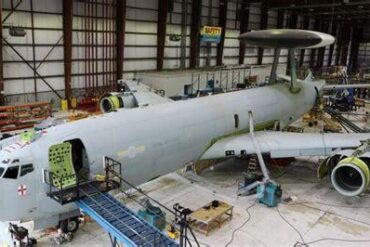
Saudi Arabia’s air force is one of the most technologically advanced in the Middle East, operating fleets of F-15C/SA Eagles, Eurofighter Typhoons, and Panavia Tornado strike aircraft. These are supported by AWACS, aerial refueling tankers, and ISR platforms, forming a formidable aerial defense grid.
However, these platforms are high-cost assets designed primarily for high-intensity conflict. The JF-17’s lower acquisition and operational costs, combined with its broad mission adaptability, would allow Saudi Arabia to:
- Expand its fleet availability without escalating defense budgets
- Free up its advanced aircraft for strategic and long-range deterrence missions
- Undertake patrol, training, and quick reaction tasks with more agility
Defense analysts widely agree that the JF-17 would complement—not replace—Saudi frontline fighters, providing cost-effective coverage for routine and emergent operations.
A Quiet but Determined Military Dialogue
The talks gained new momentum following Air Chief Marshal Zaheer Ahmed Baber Sidhu’s official visit to the Kingdom. Saudi media confirmed that the visit centered on airpower collaboration, including pilot training, logistics integration, and long-term sustainment planning. Though the governments have not officially confirmed the conversion of debt into aircraft procurement, officials from both sides have described the talks as advanced, structured, and tactically specific.
A Paradigm Shift in Regional Defense Realignment
Beyond aircraft numbers, this prospective deal signals a paradigm shift in regional defense alignments. Saudi Arabia has increasingly diversified its military procurement, exploring non-Western suppliers amid uncertainty surrounding the U.S.’s long-term strategic footprint in the Middle East.
Engaging Pakistan—a long-time provider of military training, security deployments, and advisory missions in Saudi Arabia—cements bilateral defense industrial cooperation. It also positions Riyadh to benefit from:
- Direct access to affordable combat platforms
- Joint production and technology transfer opportunities
- Operational training synergy, given the shared operational doctrines of both militaries
For Pakistan, a successful deal would validate years of investment into the JF-17 program and serve as a high-profile endorsement of its indigenous aerospace capability. It would further its strategic ambition to become a competitive arms exporter, especially to partners within the Organization of Islamic Cooperation (OIC).
Economic Innovation Meets Defense Strategy
Perhaps the most novel element of the deal is the conversion of sovereign loans into military assets. Traditionally, military procurement follows direct funding channels, but this arrangement could set a precedent for future defense trade mechanisms among allied states with financial linkages.
Such a structure:
- Reduces direct cash outflows for recipient nations
- Recycles existing credit into practical, deployable security assets
- Builds strategic dependency in a mutually beneficial framework
In a global climate of fiscal prudence and defense recalibration, this hybrid approach could influence similar arrangements in the Gulf, South Asia, and parts of Africa.
Conclusion: A Deal of Strategic Consequence
If realized, the Pakistan-Saudi JF-17 agreement would represent more than an arms sale. It would:
- Concretize a mutual defense pact into airpower reality
- Elevate Pakistan’s standing as a defense producer
- Reposition Saudi Arabia as a versatile, independent defense actor
Amid rapidly shifting geopolitical sands in the Middle East and South Asia, such a partnership sends a clear signal: regional powers are recalibrating their security relationships, industrial autonomy, and alliance networks.
As talks progress behind closed doors, the world watches closely. The outcome could redefine how emerging powers finance, field, and forge airpower in the 21st century.