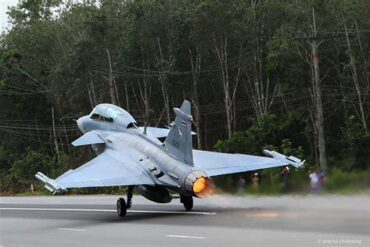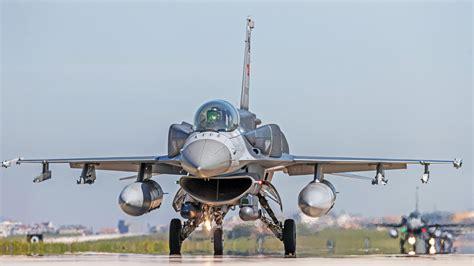
In a sudden twist that could reshape the Indo-Pacific security landscape, the Philippines’ long-anticipated acquisition of F-16 Viper fighter jets from the United States has encountered unexpected roadblocks, intensifying a saga already marked by uncertainty, fiscal friction, and shifting strategic priorities. What was once viewed as a straightforward pathway to U.S.-backed military modernization has now devolved into a high-stakes diplomatic and economic balancing act, revealing the complexities of defense procurement in an era of geopolitical recalibration.
The $5.58 Billion Gamble: U.S. Offer Forces Philippine Decision
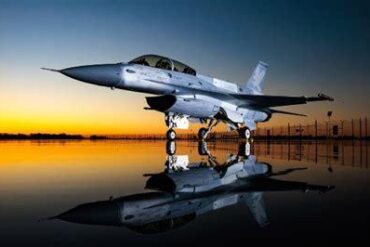
At the core of this evolving narrative lies the Defense Security Cooperation Agency’s (DSCA) updated proposal in April to sell twenty F-16C/D Block 70 Viper jets to Manila—a deal pegged at $5.58 billion. The timing was not incidental. It came amid escalating Chinese aggression in the South China Sea and increasing pressure on Washington to reaffirm its military commitments to regional allies. Yet, this latest U.S. offer—more than doubling the 2021 valuation—quickly reignited controversy in Manila.
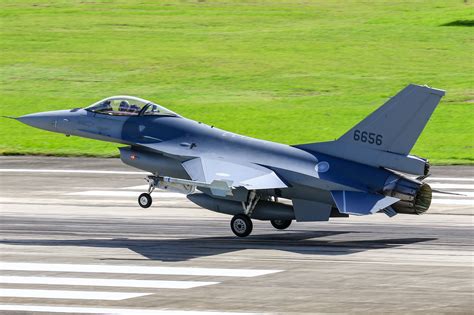
Ambassador José Manuel Romualdez publicly acknowledged the deal’s significance but emphasized that funding the jets remains a formidable challenge. The Philippine government, already grappling with post-pandemic economic strains and competing domestic priorities, now faces the question of whether prestige and strategic alignment with the United States justify the enormous financial burden.
A Legacy of Ambition Meets Reality: Revisiting the 2021 F-16 Proposal
The F-16 story began in earnest in 2021, when the U.S. authorized a sale of twelve Viper fighters to the Philippines. Valued at $2.4 billion (excluding weaponry), the deal represented a significant leap in aerial combat capability. The F-16 Viper, known for its versatility, radar signature suppression, and advanced avionics, was seen as a necessary step in deterring regional threats, particularly from China’s expanding air and naval assets.
However, that vision collided with budgetary constraints. The Philippines, struggling with procurement financing, quietly shelved the deal while exploring cost-effective alternatives. This practical pivot marked the beginning of Sweden’s Gripen campaign.
The Gripen Temptation: Sweden Offers Affordability with Firepower
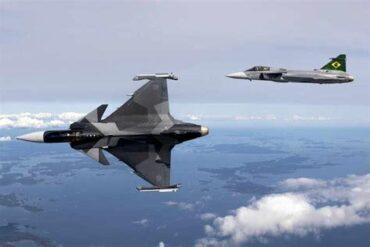
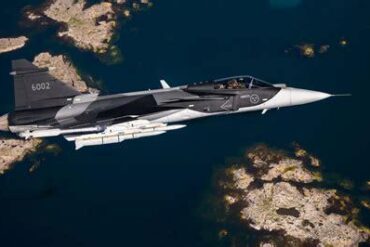
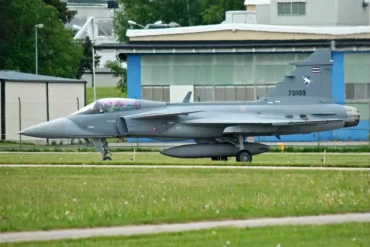
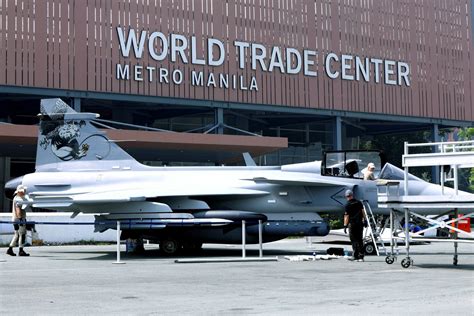
Amid mounting costs associated with U.S. aircraft, Swedish defense firm Saab emerged as a strong contender, offering the JAS-39 Gripen—a multi-role jet with long-range Meteor missile capabilities and anti-ship RBS-15 Mk.III integration. The Gripen’s appeal stemmed from both its performance and pragmatic cost profile.
During the Shangri-La Dialogue in Singapore, a memorandum of understanding was inked between Sweden and the Philippines, signaling Manila’s openness to pivot from the American aerospace giant to a more agile, financially tenable solution. Yet, months later, no formal purchase materialized.
This indecision underscored the intricate game the Philippines is playing—one foot in its long-standing alliance with Washington, the other tentatively testing new diplomatic waters with Europe. As experts noted, it was a clear attempt to balance strategic autonomy with budgetary sensibility.
Diplomatic Theater or Strategic Delay? No Formal Request, No Formal Deal
Despite the renewed American push, Defense Secretary Gilbert Teodoro remains cautious. In his recent remarks, he clarified that no formal procurement request has yet been issued by Manila. Moreover, he subtly questioned the timing and publicity of the DSCA’s announcement, suggesting that it might be more about signaling intent than advancing an actual deal.
This raises a critical question: Is the Philippines genuinely considering the F-16s, or is this high-level diplomacy designed to exert leverage over Saab for a better Gripen contract? Such ambiguity serves Manila well, keeping both parties engaged while ensuring the most favorable terms can be negotiated.
Lockheed Martin’s Pitch: Selling the Viper Vision
Undeterred by delays, Lockheed Martin has doubled down on its messaging. According to Aimee Burnett, Vice President for F-16 business development, the company is “ready to support the Philippines with the most advanced Block 70 fighters available.” This variant includes modernized mission systems, AESA radar, and extended lifespan airframes.
Burnett added that the Philippine Air Force (PAF) would benefit from long-term logistical and technological integration with U.S. allies already using F-16 platforms. It’s a persuasive argument, especially considering regional air force interoperability and the growing value of joint military exercises in contested waters.
Yet, Burnett’s optimism contrasts with Manila’s indecision. The lack of a formal letter of request (LOR) from the Philippines remains a glaring omission. Without it, DSCA’s authorization remains an offer without traction.
South China Sea Tensions: Strategic Urgency vs. Budget Realities
Complicating this tug-of-war is the backdrop of rising tensions in the South China Sea, where Chinese naval patrols and artificial island militarization have raised alarms in Manila. The 2016 Hague Tribunal ruling, which invalidated China’s sweeping claims, has done little to temper aggression.
In response, the United States has stepped up military engagements, including joint exercises and expanded base access under the Enhanced Defense Cooperation Agreement (EDCA). The F-16 deal is viewed not just as an arms transaction but as a strategic recommitment to U.S.-Philippine security ties.
But the question remains: Can strategic urgency override financial prudence? The Philippine government is caught between the promise of unmatched air superiority and the realities of public debt, inflation, and domestic security concerns.
Gripen’s Silent Strength: Why Sweden Still Stands a Chance
While the American F-16 enjoys global recognition and extensive after-sales support, the JAS-39 Gripen offers a quieter, possibly smarter solution. Analysts argue that Gripens are easier to maintain, require shorter runways, and offer lower operational costs—a perfect fit for an archipelagic nation with scattered airbases.
Furthermore, Saab has reportedly offered flexible financing and even technology transfer options. These incentives align with the Philippines’ broader goals under its Revised AFP Modernization Program (RAFPMP)—to not only procure but also build national defense competencies.
Unanswered Questions: Who Will Fund the Future?
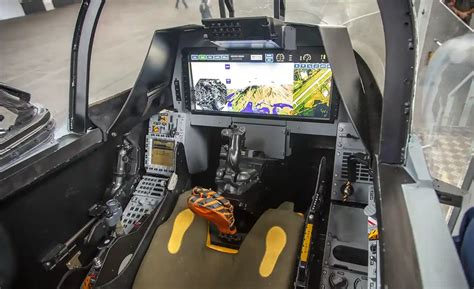
Both options offer compelling advantages, but neither deal is feasible without clear funding mechanisms. Foreign military financing (FMF) from the U.S. remains limited, while local defense budgets remain constrained. Unless Washington steps in with significant subsidies or loan guarantees, the F-16 deal could remain aspirational.
Sweden, by contrast, may be willing to structure the deal to suit Manila’s payment capacity, making the Gripen a practical winner—even if less iconic.
Conclusion: At the Crossroads of Sovereignty and Strategy
The Philippines’ defense procurement journey now represents more than an aircraft acquisition—it is a litmus test for the nation’s future strategic identity. Whether it leans toward American firepower or Swedish pragmatism, the decision will shape not only its military capabilities but also its role in the fast-changing Indo-Pacific theater.
As President Ferdinand Marcos Jr., Defense Minister Gilbert Teodoro, and their advisors deliberate, time is of the essence. The skies over the South China Sea grow more contested by the day. The question is no longer whether the Philippines will buy new fighter jets—but rather who they trust to arm them for what comes next.