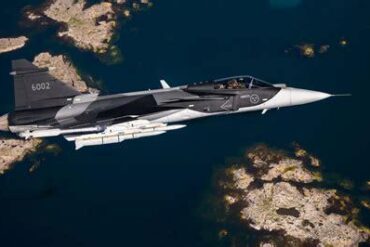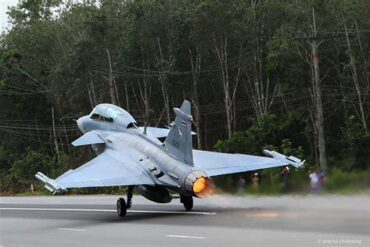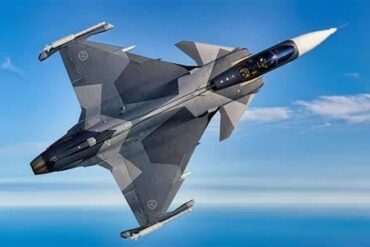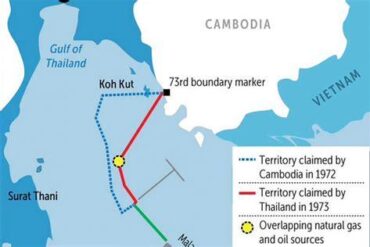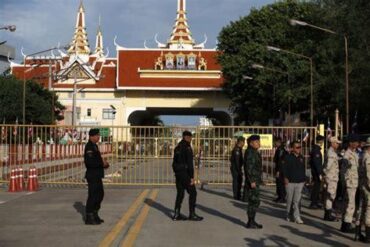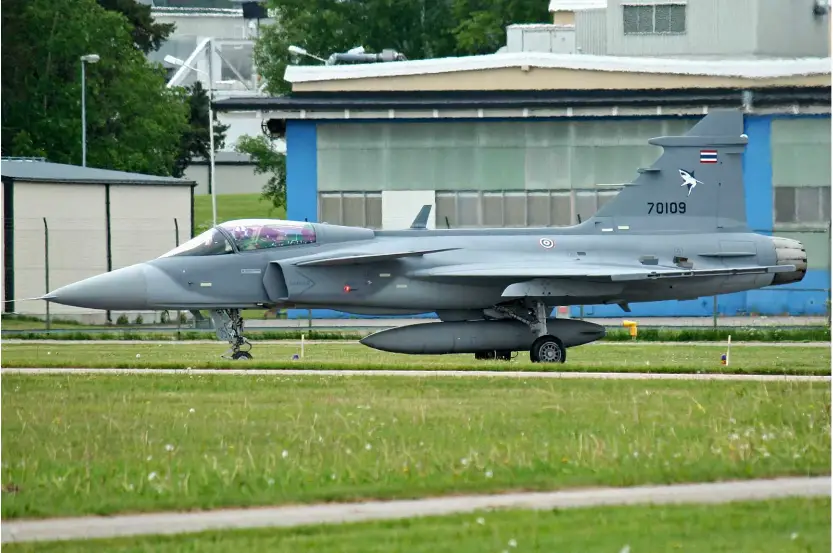
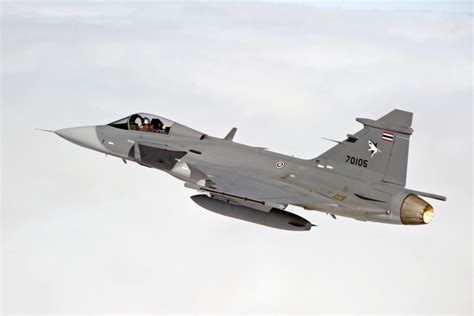
On July 26, 2025, the Royal Thai Air Force (RTAF) made aviation history by deploying the Swedish-made Saab JAS 39 Gripen fighter jet in a real-world combat operation for the first time. The event marks a major milestone not only for Thailand’s defense posture but also for the global credibility of the Gripen platform, which had remained untested in direct warfare since its inception in 1988. The fighter jet executed precision airstrikes targeting Cambodian artillery positions near the Phu Ma Kua ridge and Ta Muen Thom temple, signaling a significant escalation in the ongoing border conflict that reignited on July 24, 2025.
Background: Tensions Ignite Along a Contentious Border
The flare-up began with a fatal border patrol incident on May 28, 2025, where a Cambodian soldier was killed in a disputed zone. Skirmishes steadily escalated through June, with Cambodian forces launching rocket and mortar attacks into Thailand’s Surin Province. Thai military installations and even civilian settlements found themselves under threat, prompting Bangkok to activate both ground and air retaliatory measures.
By late July, Thailand’s aerial counteroffensive was underway, employing its mixed fighter fleet of F-16 Fighting Falcons and the more advanced Saab Gripens. The strategic use of Gripens on July 26 represented not only a tactical maneuver but a psychological message of Thai aerial superiority.
The Combat Debut of the JAS 39 Gripen
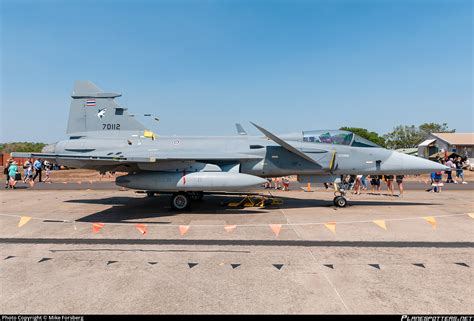
Thailand’s acquisition of the Saab JAS 39 Gripen began in 2007, when Bangkok inked a deal for six C/D variants, followed by a second batch in 2008. The first units were delivered in February 2011 and stationed at Wing 7, Surat Thani Air Base. As of 2025, the RTAF operates 11 Gripens—seven single-seat Gripen C and four two-seat Gripen D aircraft. While primarily used for training, patrol, and air policing, the recent deployment has affirmed the platform’s combat readiness and effectiveness under live-fire conditions.
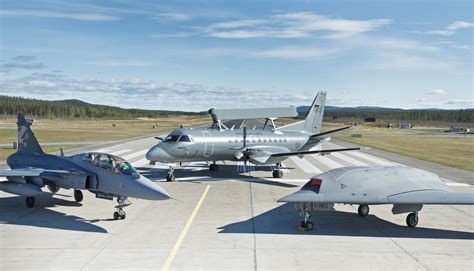
The July 26 mission was meticulously planned. Gripen pilots executed coordinated strike profiles using real-time targeting data relayed via Saab 340 AEW&C aircraft. Each sortie was aimed at eliminating Cambodian artillery and mobile rocket systems that had been shelling Thai territory. The result was a display of surgical precision with minimal collateral damage, further enhanced by network-centric warfare protocols.
Tactical and Technological Superiority
The operational effectiveness of the Gripen lies in its advanced avionics suite, including the PS-05/A pulse-doppler radar, digital fly-by-wire flight controls, and a diverse weapons arsenal. For this particular mission, the Gripens were reportedly armed with IRIS-T short-range missiles, AIM-120 AMRAAMs, and laser-guided munitions suitable for fixed artillery suppression.
In the skies, Gripens were supported by Saab 340 AEW&C aircraft, enabling enhanced situational awareness and real-time coordination. These surveillance aircraft formed the digital backbone of the operation, seamlessly integrating strike plans and target acquisition across multiple aircraft. Such a layered operational model allowed for the deployment of air power with pinpoint precision—a luxury the Cambodian side could not match.
Cambodia’s Aerial Disadvantage
In stark contrast, the Royal Cambodian Air Force lacks any form of air superiority capability. Its existing fleet is primarily composed of training, transport, and liaison aircraft, offering no offensive capacity. Among the limited assets are:
- Two Xian MA60 transport aircraft
- Five Tecnam P-92 Echo aircraft for pilot training
- Two Harbin Y-12 (II) utility aircraft
- A single Airbus A320 VIP transport unit
- Five L-39C Albatros trainers (not combat capable)
With no operational fighter aircraft or air-to-air missile capability, Cambodia has been forced to rely on ground-based tactics and artillery barrages, tactics that leave them vulnerable to air superiority campaigns such as the one conducted by the Thai Gripens.
Strategic Implications for the Region
Thailand’s use of the Gripen in live combat conditions is likely to have broad regional consequences. The success of the airstrikes demonstrates a level of force projection uncommon among Southeast Asian militaries. It sends a direct signal not just to Cambodia, but also to other regional actors monitoring the shifting balance of power.
Furthermore, this combat operation offers a major publicity boost to Saab AB, the Swedish manufacturer of the Gripen. The platform has long been marketed as a cost-effective alternative to U.S. and Russian jets, especially appealing to middle-income countries seeking modern capabilities without exorbitant defense spending. Its first blood moment in a real conflict may serve as a strong endorsement of reliability and lethality.
Gripen Versus Other Regional Platforms
Compared to regional fleets, the Gripen offers several unique strengths. While Malaysia and Indonesia operate Su-30MKMs and F-16s, and Vietnam relies on Su-27/30 Flankers, Thailand’s Gripens provide superior data link capabilities, faster maintenance cycles, and interoperability with NATO-standard weaponry. Additionally, the Gripen’s ability to operate from shorter runways and perform quick turnarounds gives it a logistical advantage, especially in geographically constrained theaters like the Cambodian border.
Thailand’s broader air fleet consists of:
- 28 F-16 Fighting Falcons (F-16A/B, ADF, MLU variants)
- 13 F-5TH Tiger IIs
- 12 AU-23A Peacemaker ground attack aircraft
- 11 Saab Gripens (C/D variants)
This diverse fleet, now combat-hardened, establishes Thailand as a premier air power in the region—second only to Singapore in terms of capability.
Future Outlook: Escalation or Containment?
As the conflict simmers, Thai officials have reiterated that their use of air power is defensive and retaliatory, not part of an invasion campaign. However, the military’s rapid ability to neutralize threats deep inside contested zones may embolden future operations unless a diplomatic resolution is secured.
For Cambodia, the military and political leadership now face serious questions regarding their strategic posture. Without any credible air deterrent, continued escalation risks the country’s military infrastructure being systematically dismantled from the skies. The airpower imbalance is likely to draw attention from ASEAN and international observers seeking to prevent a broader conflict.
Conclusion: A Defining Moment for the Gripen
The debut combat mission of the Swedish Saab Gripen fighter jet in Thailand’s escalating border conflict with Cambodia marks a turning point in Southeast Asian airpower dynamics. More than just an operational milestone, it is a message that Thailand is prepared to leverage next-generation air capabilities to defend its territory decisively and effectively. For Saab, the successful strike will echo across export markets as validation of the Gripen’s value proposition—affordable, interoperable, and combat-proven.
As ground engagements continue, the Royal Thai Air Force’s surgical strike capabilities could play a decisive role not just in battlefield outcomes, but in shaping the diplomatic chessboard of Southeast Asia for years to come.