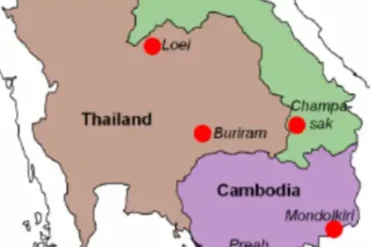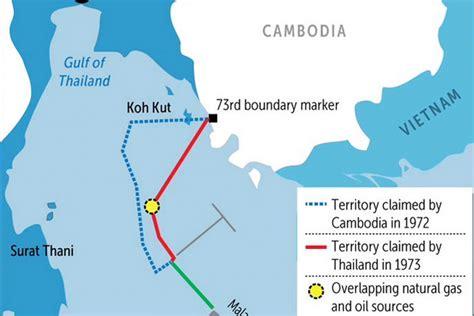
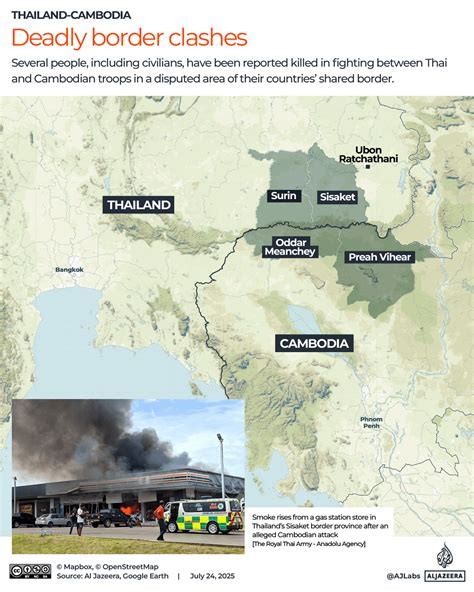
The ongoing Thailand-Cambodia border dispute has intensified, bringing with it significant consequences for both nations and their tourism industries. The recent clashes have raised security concerns, leading to evacuations and drawing international scrutiny. The conflict primarily centers around Oddar Meanchey in Cambodia and Surin in Thailand, areas that are not only rich in cultural heritage but also vital to the local economy dependent on tourism.
Historically, the relationship between Thailand and Cambodia has been complex, often marred by territorial disputes. The roots of the current conflict can be traced back to colonial-era borders drawn during the French and British colonial periods. The most notable point of contention has been the Preah Vihear Temple, which was awarded to Cambodia by the International Court of Justice (ICJ) in 1962. However, this ruling did not resolve disputes over the surrounding land, leading to military skirmishes and diplomatic standoffs over the decades. While both countries share cultural and historical ties, their interactions have frequently been characterized by tension and conflict.
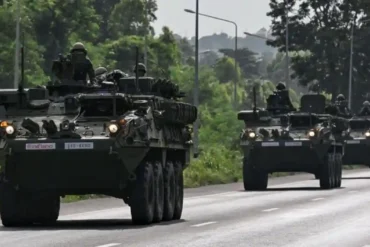
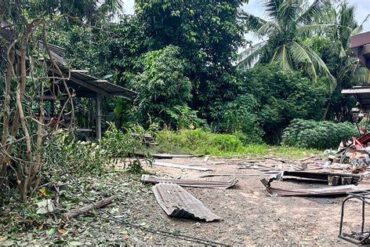
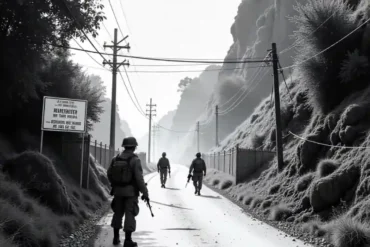
In recent days, the situation escalated dramatically when Cambodian forces fired artillery shells into Thailand, prompting a swift military response from the Thai side, which launched airstrikes with F-16 fighter jets. Both countries have exchanged blame for initiating the violence, creating an environment of fear and uncertainty. According to Thailand’s Ministry of Public Health, the clashes have resulted in the deaths of 14 individuals, including 13 civilians and one military personnel, with many more injured. However, Cambodia has yet to provide detailed figures on casualties, adding to the atmosphere of distrust and apprehension.
As both nations grapple with internal challenges, including economic pressures and political instability, the border dispute has become a flashpoint for rising nationalist sentiments. This is particularly concerning given the historical grievances that continue to fester between the two nations. The situation poses a threat not only to regional stability but also to the vital tourism sectors that both Thailand and Cambodia rely upon.
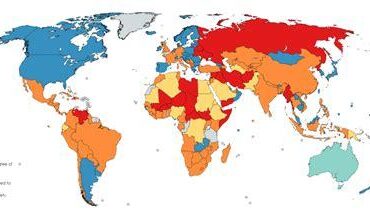
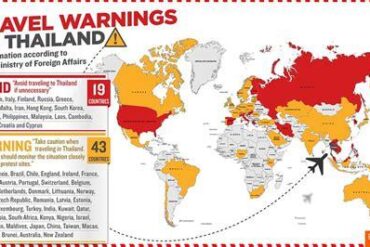
The impact of this border conflict on tourism cannot be overstated. As tensions escalate, the already fragile tourism industry faces severe repercussions. Tourists intending to visit regions close to the affected border, such as Surin and Oddar Meanchey, are experiencing cancellations and reduced bookings. Authorities in both countries have issued travel advisories urging non-essential travel to avoid the conflict zones. This has led to a significant decline in tourist activity in areas that typically thrive on visitors, such as the famous Angkor Wat in Cambodia and cultural sites throughout Thailand.
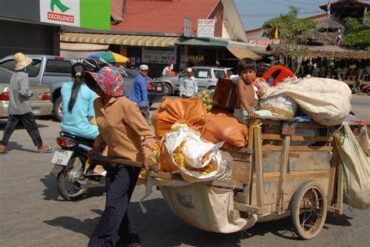
For local businesses, the fallout from this conflict has been immediate and harsh. Restaurants, hotels, and shops that cater to tourists in Surin and its surrounding areas have temporarily closed, leaving many without income during what is usually a peak travel season. The conflict has created an unpredictable environment, making it difficult for travelers to secure accommodations or access attractions that are now under heightened security measures. For those planning business travel to Southeast Asia, the situation poses additional risks, as meetings and events may face delays or cancellations due to the unrest.
Despite the turmoil, there are still numerous destinations within both countries that remain unaffected by the border conflict. Major urban centers like Bangkok in Thailand and Phnom Penh in Cambodia continue to welcome tourists, providing opportunities to experience the rich cultural landscapes of Southeast Asia without venturing into volatile regions. However, travelers are advised to stay informed and vigilant about the evolving situation.
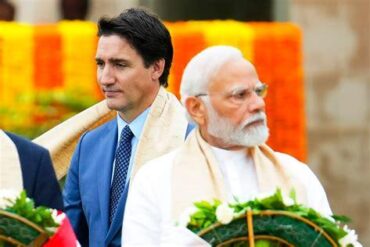
Efforts to diplomatically resolve the conflict are underway, with leaders from both countries and the ASEAN community engaged in discussions aimed at de-escalation. Malaysia’s Prime Minister Anwar Ibrahim, as the current chair of ASEAN, has reached out to both nations to encourage peaceful dialogue and a potential ceasefire. While these diplomatic initiatives are crucial, the volatility of the situation necessitates that tourists exercise caution.
For travelers currently in the region or those planning trips to Thailand or Cambodia, several safety tips can help mitigate risks:
- Stay Informed: Regularly check updates on government websites, including Thailand’s Ministry of Foreign Affairs and Cambodia’s official tourism sites, to receive the latest travel advisories.
- Avoid Conflict Zones: It is advisable to steer clear of border areas like Surin and Oddar Meanchey, where violence has been concentrated. Instead, consider alternative destinations within both countries that remain peaceful.
- Travel Insurance: Ensure that your travel insurance covers potential interruptions due to security issues, including border disputes or travel restrictions.
- Flexible Travel Plans: Many travel companies are offering rebooking options for affected customers, so make flexible arrangements with airlines and accommodation providers.
- Monitor the Situation: Stay in close contact with your tour operator or local embassy to receive timely information on any safety measures or evacuation plans that may be necessary.
Looking ahead, the future of tourism in Thailand and Cambodia hinges on stabilizing relations between the two nations. While the recent escalation serves as a reminder of the unpredictable nature of regional conflicts, Southeast Asia remains a stunning and culturally rich destination. Travelers who approach their journeys with care and preparedness can still enjoy the unique experiences offered by both Thailand and Cambodia.
In conclusion, the ongoing border dispute between Thailand and Cambodia underscores the importance of remaining cautious and informed while traveling. The efforts of both governments and ASEAN to find a diplomatic resolution are essential for restoring peace and safety in the region. By prioritizing safety and flexibility, tourists can navigate the challenges posed by the current unrest while still reveling in the wonders of Southeast Asia.