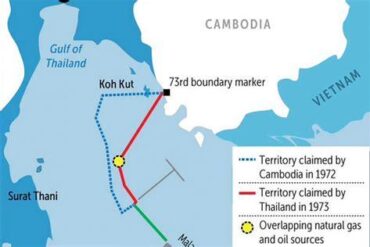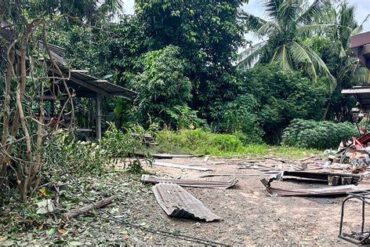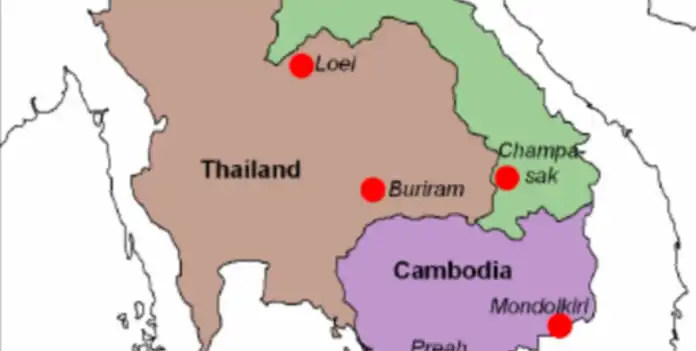
Tensions between Thailand and Cambodia have exploded into the most violent confrontation in over ten years, following a series of armed exchanges, diplomatic breakdowns, and political maneuvering that have brought both nations to a dangerous boiling point. At least a dozen fatalities have been confirmed, with escalating military action along the contested border zones threatening regional stability.
A History Rooted in Colonial Boundaries
The origins of the dispute date back to the colonial era, when France drew the borders of modern Cambodia and Thailand during its rule over Indochina (1863–1954). This demarcation was never fully accepted by the Thai monarchy, then known as the Kingdom of Siam. During World War II, Siam temporarily seized certain Cambodian territories but returned them to the French by 1946.
In the decades since, the boundary has remained fluid and disputed, exacerbated by the collapse of the Khmer Rouge in 1979, whose fleeing forces took shelter in the border jungles, further muddling control. The Preah Vihear Temple, a 900-year-old UNESCO World Heritage Site, became a focal point in 2008 when military units clashed over adjacent territory. Sporadic violence from 2008 to 2011 resulted in at least 28 deaths and the displacement of tens of thousands.

May 2025: Flashpoint at the Frontier
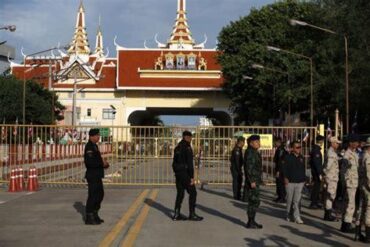
On May 28, 2025, a Cambodian soldier was killed during an exchange of gunfire with Thai troops in the dense, contested borderland. Both nations blamed the other for initiating the violence, with each claiming it acted in self-defense. As a consequence, cross-border movements were immediately restricted, and bilateral talks collapsed.
The Thai government’s political crisis soon followed. Prime Minister Paetongtarn Shinawatra was suspended from office over allegations she had privately appeased the Cambodian leadership. A leaked call with former Cambodian premier Hun Sen suggested undermining the Thai military’s stance — igniting a firestorm of nationalist backlash at home.
Military Escalation and Civilian Casualties
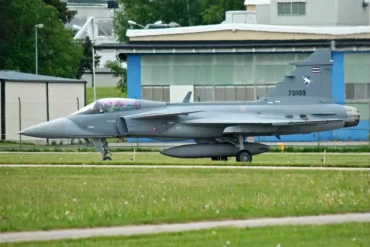
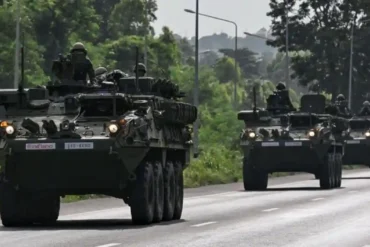
The situation escalated sharply in July. On July 22, five Thai soldiers were injured in a landmine explosion, prompting Thai air strikes on Cambodian military positions. In retaliation, Cambodia launched a volley of rockets and artillery at Thai positions.
The result was catastrophic. According to the Thai Ministry of Public Health, at least 11 civilians were killed and dozens wounded on both sides. These are the highest casualty figures since the 2011 border flare-up.
A Legal Tug-of-War: The ICJ vs Bilateral Negotiations
The International Court of Justice (ICJ) has played a role in trying to resolve this dispute. In 1962, the ICJ ruled that Cambodia had sovereignty over the Preah Vihear Temple, and in 2013, further affirmed Cambodian control over adjacent land. But Thailand refuses to accept the court’s expanded jurisdiction.
In June 2025, Cambodian Prime Minister Hun Manet announced that his government had filed a fresh complaint to the United Nations tribunal, now seeking adjudication over four more disputed areas. Thailand, however, insists on relying on the Joint Boundary Commission, a bilateral mechanism formed almost three decades ago.
On July 24, Hun Manet officially requested an emergency session of the UN Security Council, citing ongoing cross-border military aggression.
Regional and Global Responses to the Crisis
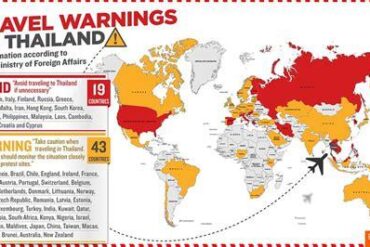
The renewed hostilities have prompted international concern. China, the United States, Malaysia, and France have all urged restraint and called on both parties to return to dialogue.
Notably, ASEAN has been silent so far, reflecting the bloc’s usual non-interference stance and the complicated allegiances within the region. However, private diplomatic channels between Beijing, Bangkok, and Phnom Penh have reportedly intensified.
Political Fault Lines Exposed in Both Nations
According to regional analysts, this latest outbreak reveals deep political fractures in both Thailand and Cambodia.
In Cambodia, Prime Minister Hun Manet is walking a tightrope, seeking to balance his father’s nationalist legacy with pragmatic diplomacy. Political scientist Ou Virak noted that Cambodia is eager to “stand up to perceived Thai bullying”, though he cautioned that nationalist sentiment can rapidly spiral out of control.
In Thailand, the conflict reflects the ongoing civil-military tug-of-war. The Thai army, which has conducted 12 coups since 1932, remains a powerful force in foreign and border policy — often independent of civilian oversight.
According to Thai political analyst Thitinan Pongsudhirak, the military sees the conflict as an opportunity to reassert control, especially following the public embarrassment over the prime minister’s leaked phone call.
Propaganda and Information Warfare Intensify
Alongside the military escalation, both governments have engaged in a blistering media and diplomatic war.
The Thai government described Cambodia’s actions as “inhumane, brutal, and war-hungry,” accusing Phnom Penh of deliberate targeting of civilians.
Cambodia’s Foreign Ministry, in turn, accused Thailand of “unprovoked military aggression”, stating that Cambodian forces only targeted Thai military installations.
This conflicting narrative has spilled onto social media, where each side’s supporters spread videos, images, and inflammatory rhetoric, further inflaming public sentiment.
Humanitarian Fallout: Civilians Caught in the Crossfire
As artillery rains down and aerial strikes continue, border villagers are bearing the brunt of the violence. Reports from humanitarian agencies indicate that over 12,000 people have been displaced, seeking temporary shelter in schools, pagodas, and makeshift camps along both sides of the frontier.
Local hospitals in Thailand’s Surin Province and Cambodia’s Oddar Meanchey are struggling to manage the influx of wounded civilians, many suffering from shrapnel wounds, burns, and psychological trauma.
Meanwhile, both governments have banned journalists from entering the active border zones, citing security concerns, making independent verification of claims increasingly difficult.
What Lies Ahead: Dialogue or Prolonged Hostility?
Despite calls for peace, no ceasefire agreement has been brokered. Thailand has refused Cambodia’s demand for international arbitration, while Cambodia refuses to accept further Thai military presence in the disputed zones.
Diplomats and regional observers warn that unless a neutral third-party mediator steps in — potentially under the UN or ASEAN umbrella — the conflict could drag on, with dire consequences for Southeast Asian peace.
The conflict underscores how unresolved colonial legacies, nationalist fervor, and fragile political systems can collide in dangerous ways, even in a region that has seen remarkable economic growth and diplomatic progress in recent decades.
Conclusion: A Dangerous Turning Point for Southeast Asia
The Thailand-Cambodia border crisis has moved beyond a local dispute into an issue of regional security and international diplomacy. With military casualties rising, civilian lives lost, and diplomatic relations unraveling, the situation demands urgent, coordinated action from both nations and the global community.
If unchecked, this could mark the beginning of a new era of instability in the region — one shaped not just by military might, but by the ghosts of history, ambitious leaders, and the razor’s edge of nationalism.