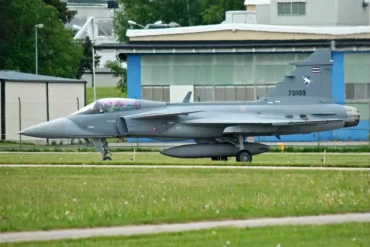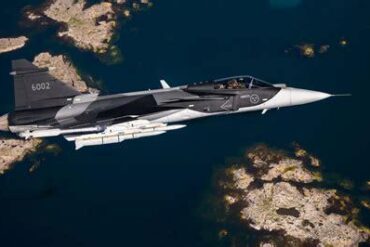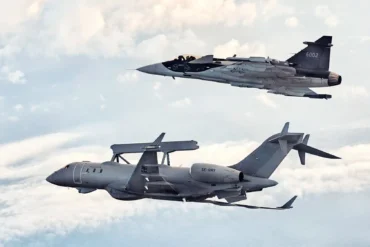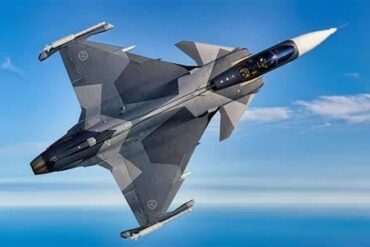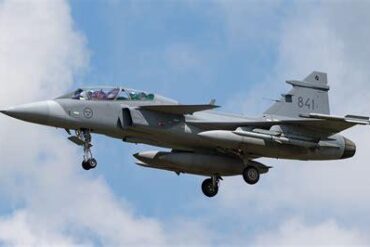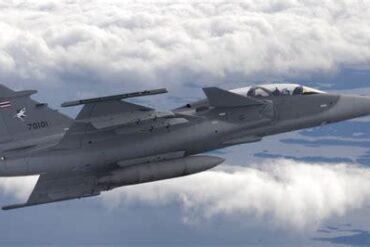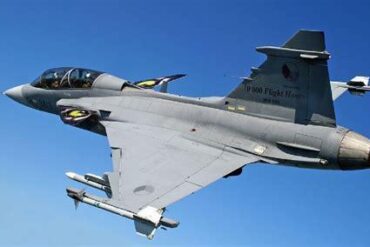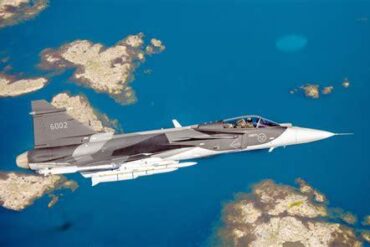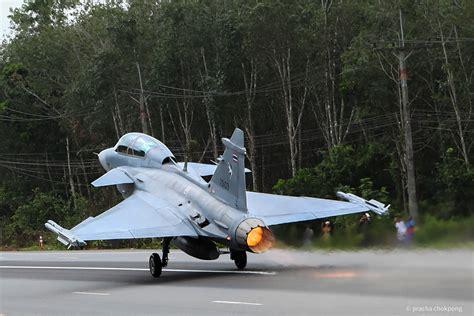
Thailand’s decision to procure the Saab Gripen-E over the Lockheed Martin F-16 Viper has marked a pivotal moment in the nation’s defense modernization efforts and sent ripples through the global fighter jet market. On June 4, 2025, the Royal Thai Air Force (RTAF) officially announced its selection of a dozen Gripen-E aircraft to replace its aging fleet of F-16A/Bs, a move that not only strengthens Thailand’s air power but also reflects a broader shift in procurement priorities toward technological autonomy, cost efficiency, and industrial growth.
The Royal Thai Air Force’s Strategic Choice
The selection of the Saab Gripen-E is far more than a routine acquisition; it is a strategic decision rooted in long-term national interests. For Thailand, the deal represents a step toward self-reliance and industrial capability development, aspects that Saab’s offer emphasized heavily. Unlike the US bid, which was constrained by strict export controls and limited technology sharing, Saab’s package was rich with technology transfer promises that aligned perfectly with Thailand’s ambitions.
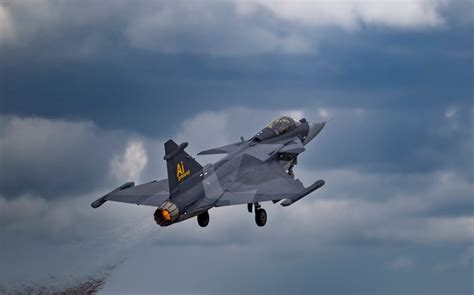
At the heart of Saab’s winning proposition was its pledge to support the development of Thailand’s indigenous Link-T datalink system, an advanced communication platform crucial for modern combat operations. Saab went beyond supplying hardware; it offered intellectual property rights and local development capabilities, enabling Thailand to customize and expand its own systems without external restrictions. This level of freedom was notably absent from the American proposal, which maintained tight control over sensitive technologies like Link 16 and Mode 5 IFF, limiting Thailand’s operational flexibility.
Saab’s Unrivaled Industrial Offset Package
Saab’s bid distinguished itself through a compelling 155% offset package, a figure that significantly exceeded the project’s value. This package was designed to stimulate Thailand’s economy by fostering local manufacturing, job creation, and technological skill development. It included opportunities for Thai industries to produce critical components such as tires, bearings, clamps, and airframe parts, embedding the nation deeper into the Gripen’s global supply chain.
Such industrial participation not only reduces long-term lifecycle costs but also supports strategic independence, a priority for Thailand as it seeks to insulate its defense sector from external pressures and supply chain vulnerabilities. The extensive offset terms promised by Saab were tailored to Thailand’s socio-economic goals, ensuring that the deal would deliver benefits beyond the immediate military sphere.
Lockheed Martin’s Proposal: Solid but Restrained
The Lockheed Martin F-16 Viper bid was robust in terms of aircraft capability and included offers of maintenance training, R&D partnerships, and supply chain integration. However, these were tightly bound by US export control laws, specifically ITAR regulations, which precluded full technology transfer. The US offered integration support for Link 16 and advanced IFF technologies, but Thailand would not gain sovereignty over these systems’ usage or further development.
Moreover, the Viper’s higher acquisition and lifecycle costs placed an additional burden on Thailand’s defense budget. The dependence on US-based sustainment and spare parts supply chains further reduced the appeal of the American offer, particularly when juxtaposed with Saab’s promises of localized production and cost savings.
Technology Transfer: The Decisive Factor
The RTAF’s evaluation made it clear that technology transfer was not merely an added benefit but a deciding factor. Saab’s willingness to share critical technologies and empower local industries stood in stark contrast to the constraints of the US offer. The Gripen-E package met both Thailand’s defense needs and its broader national goals, positioning Saab as a partner in Thailand’s journey toward greater self-reliance in aerospace technologies.
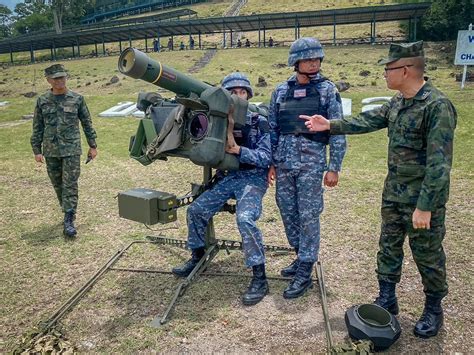
This approach reflects a broader global trend where nations, particularly those with constrained defense budgets, are prioritizing deals that combine military capability with economic growth and industrial participation. The Gripen’s success in Thailand could inspire similar decisions by other countries seeking to reduce dependency on traditional suppliers that offer little in terms of technology sovereignty.
Global Implications of Thailand’s Decision
The Gripen-E’s triumph in Thailand has broader ramifications in the competitive international fighter jet market. Saab’s strategy—anchored in technology transfer, industrial collaboration, and cost-effective capability—is resonating with nations in Asia, Latin America, and the Middle East that are eager to build local expertise and reduce reliance on foreign support.
In countries like India, Saab’s pitch for local manufacturing of 114 Gripen-Es aligns with national priorities under initiatives like ‘Make in India’. Saab has proposed full-scale production, including systems and software, alongside partnerships with private Indian firms. Similarly, Saab’s experience in Brazil, where it successfully transferred technology and established production facilities, strengthens its credibility in fulfilling such promises.
Meanwhile, Lockheed Martin and other US manufacturers face increasing challenges due to the limitations imposed by US export laws. While they continue to offer advanced platforms like the F-35, the reluctance to grant significant technology transfer rights puts them at a disadvantage in markets where nations seek greater control over their defense capabilities.
Saab’s Long-Term Vision and Competitive Edge
Saab’s approach is not limited to one-off deals. It is pursuing a sustained campaign to position the Gripen-E as the ideal multirole fighter for nations that value affordability, flexibility, and industrial growth. The company’s success in Thailand could serve as a template for other countries considering their next-generation fighter jet acquisitions. Saab’s adaptability and commitment to local partnerships and technology sharing have positioned it as a formidable competitor to US, Russian, and even European rivals.
As global defense markets evolve, it is clear that technology transfer is becoming a key criterion in military procurement decisions. The Thai deal is a case study in how industrial benefits, autonomy, and cost efficiency can outweigh pure platform capability in the eyes of modern air forces.
In the end, Saab’s Gripen-E didn’t just shoot down the F-16 Viper in a dogfight; it outmaneuvered it in the boardroom, winning the trust and partnership of a nation looking to the future.