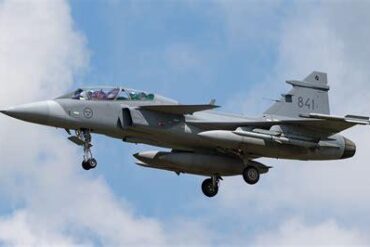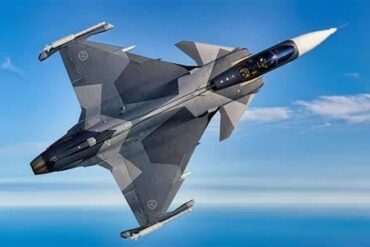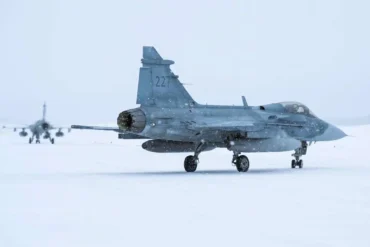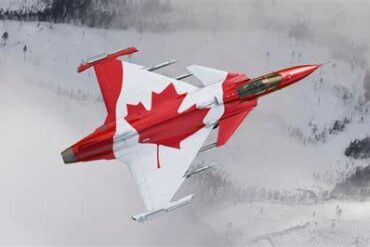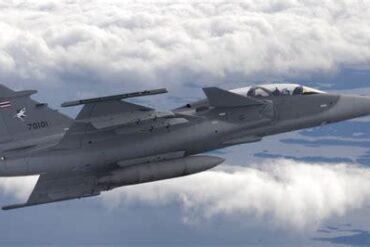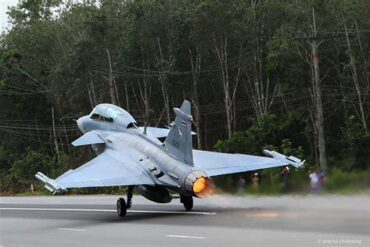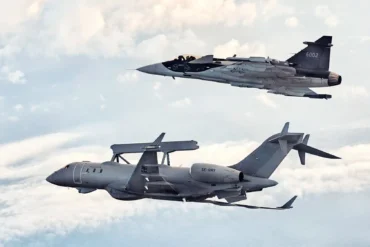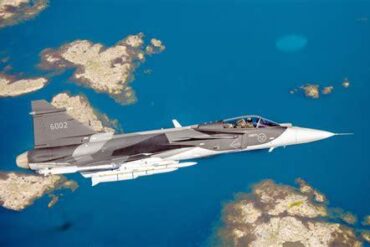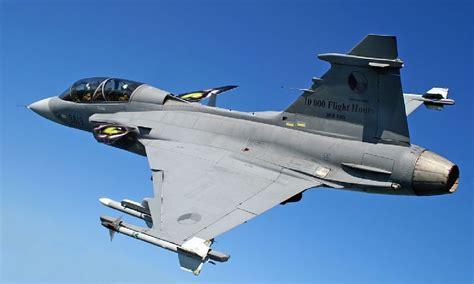
In the world of modern combat aviation, few aircraft symbolize the fusion of versatility, national pride, and technological finesse quite like the Saab JAS 39 Gripen. Designed and manufactured by Saab AB, a renowned Swedish aerospace and defense company with a legacy dating back to 1937, the Gripen is a testament to Sweden’s commitment to maintaining sovereignty through indigenous military innovation.
Understanding the Acronym: JAS
The designation “JAS” in JAS 39 Gripen is not a mere string of letters, but a deeply intentional acronym representing the aircraft’s multirole capabilities. Standing for “Jakt, Attack och Spaning”, these Swedish terms translate to “Fighter, Attack, and Reconnaissance” in English. This trifecta encapsulates the comprehensive mission profile that the Gripen was designed to execute.
“Jakt”, or fighter, refers to the aircraft’s air-to-air combat proficiency. Engineered to intercept and dominate enemy aircraft with precision, the Gripen’s aerodynamic frame and cutting-edge avionics ensure that it performs with agility and lethality in aerial engagements. “Attack” signifies its air-to-ground strike capabilities, allowing it to conduct surgical operations on tactical and strategic targets using an array of precision-guided munitions. Lastly, “Spaning”, meaning reconnaissance, highlights the aircraft’s surveillance and intelligence-gathering capabilities, facilitated by advanced sensor packages and real-time data systems.
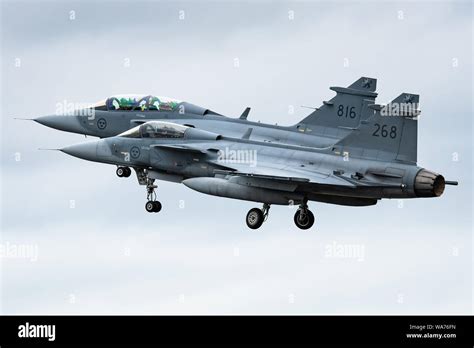
This blend of roles isn’t just theoretical. The Gripen is actively used in combat, training, and surveillance missions by multiple countries, affirming its adaptability across diverse operational theaters. By unifying these roles into a single platform, Sweden not only streamlined its defense strategy but also positioned the Gripen as a competitive export on the international stage.
The Legacy Behind the Name ‘Gripen’
Beyond the technical designation, the name “Gripen” (Swedish for “Griffin”) invokes the image of a mythological creature with the head and wings of an eagle and the body of a lion. This duality represents the aircraft’s symbolic mastery of air and land dominance. The name was selected through a public naming contest hosted in the Swedish Air Force magazine “FlygvapenNytt”, where flight attendant Helena Sillen submitted the winning entry. The griffin, as king of both the skies and the earth, was seen as an emblem of power, intelligence, and nobility—an ideal metaphor for the capabilities of this advanced jet.
This heritage links the Gripen to not just technical superiority but also cultural resonance, embodying the national spirit of resilience and independence. It is not merely a tool of warfare, but a flying symbol of Swedish engineering ethos and defense philosophy.
Technology and Performance: A Modern-Day Griffin
The JAS 39 Gripen first took to the skies in 1988 and officially joined the Swedish Air Force in 1997. Since then, it has undergone significant upgrades, culminating in the current Gripen E variant, which is regarded as a fifth-generation fighter in fourth-generation skin. The aircraft is powered by the General Electric F414G engine, delivering 20% more thrust than its predecessors, ensuring remarkable takeoff performance, maneuverability, and acceleration.
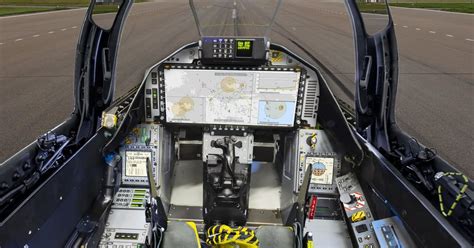
One of its most formidable assets is the Arexis electronic warfare suite, capable of detecting, jamming, and neutralizing enemy threats using advanced jamming pods and air-launched decoys. The suite offers 360-degree electromagnetic protection, identifying threats ten times smaller than traditional systems. Its wide-area display cockpit integrates artificial intelligence to assist pilots in decision-making, optimizing situational awareness in high-stress environments.
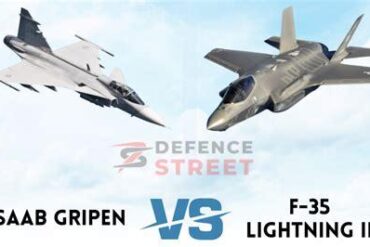
These advancements make the Gripen not only technologically formidable but also cost-efficient. It is significantly less expensive to operate compared to counterparts like the Lockheed Martin F-35 Lightning II, with estimates placing operational costs at nearly one-third. This low lifecycle cost positions it as an attractive option for nations seeking high-performance without high overhead.
A Symbol of Smart Power and Strategic Value
The Saab JAS 39 Gripen stands as a model of smart defense planning. Instead of pursuing size and raw power alone, Sweden opted for an aircraft that could do more with less—combining flexibility, cutting-edge technology, and economic feasibility. The JAS designation reinforces this mission: Fighter, Attack, and Reconnaissance, not as isolated functionalities, but as an integrated combat solution.
In a defense landscape where interoperability, data integration, and multirole efficiency define success, the Gripen exemplifies what a modern air force asset should be. JAS is more than an acronym; it is a strategic philosophy encoded into the DNA of Sweden’s most advanced combat aircraft.