Saab JAS 39 Gripen Combat History and Battlefield Record
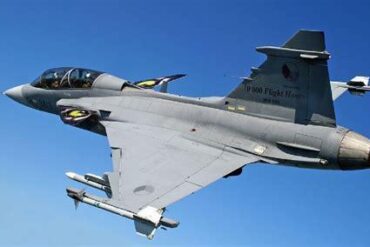
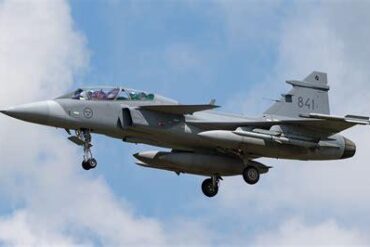
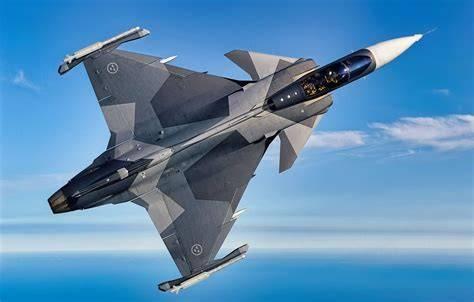
The Saab JAS 39 Gripen was designed as a modern multirole fighter capable of defending Sweden while operating in demanding environments. Since entering service with the Swedish Air Force in 1996, the aircraft has gained a reputation for agility, advanced electronics, and affordable operation. However, despite decades of service, the Gripen remained one of the few major Western fighter jets without confirmed combat experience for most of its operational life.
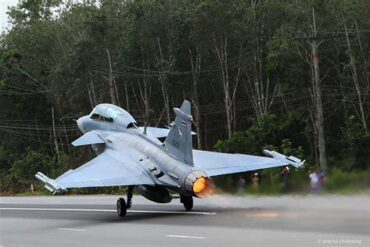
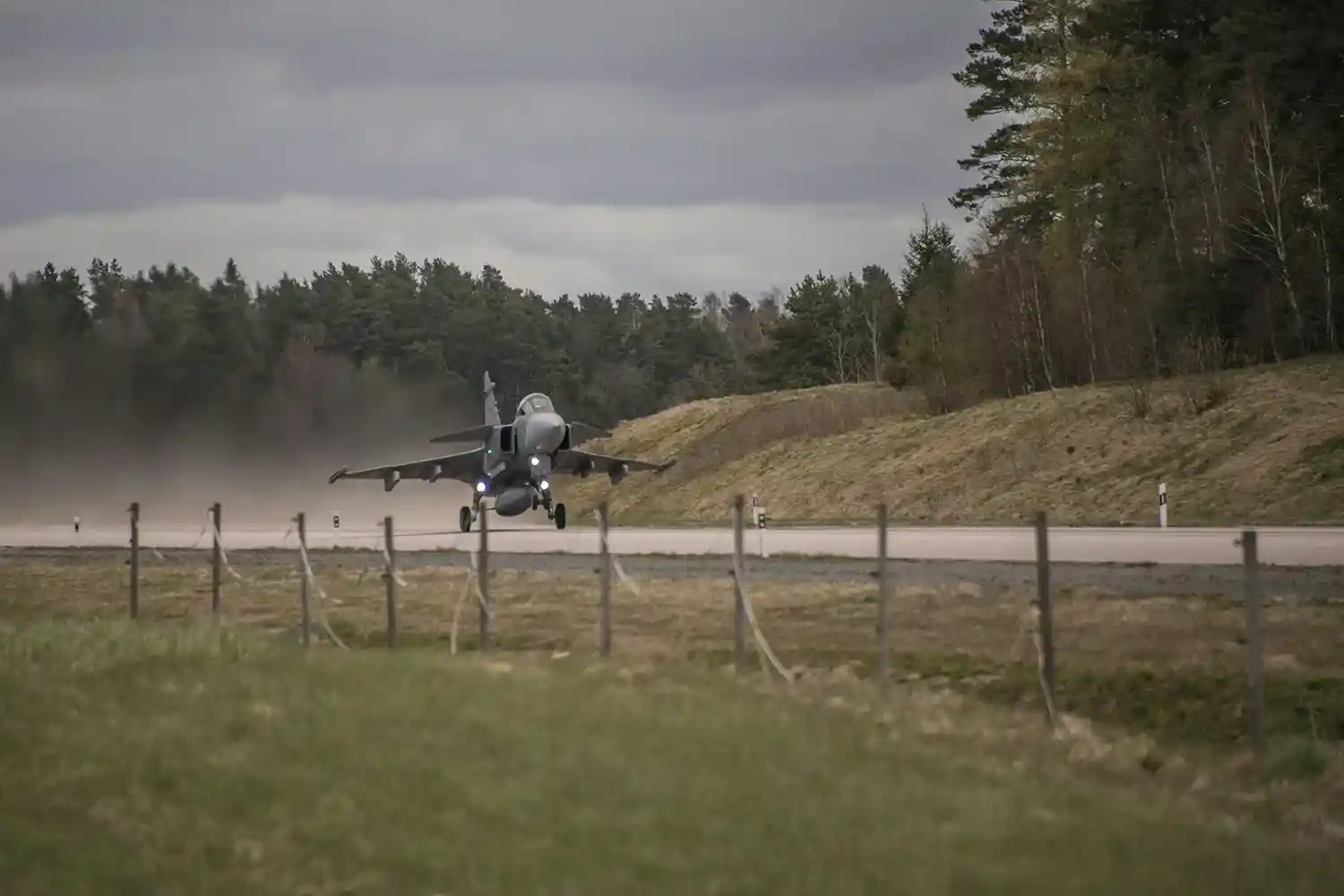
The fighter was developed during the Cold War with a specific purpose: protecting Swedish airspace against a technologically advanced opponent. Unlike many traditional fighters that rely heavily on large airbases, the Gripen was built around flexibility. Its ability to operate from short runways, highways, and dispersed locations reflects Sweden’s defensive strategy of keeping aircraft survivable during a major conflict.
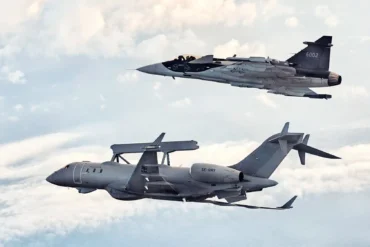
The Gripen has participated in several NATO missions, international exercises, and peace-support operations. These deployments demonstrated its interoperability with allied forces and proved the aircraft’s capabilities in realistic conditions. However, training missions and patrol operations did not count as combat, leaving the Gripen waiting nearly three decades before receiving its first battlefield test.
Thailand’s Saab Gripen Combat Deployment
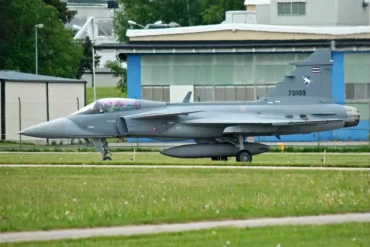
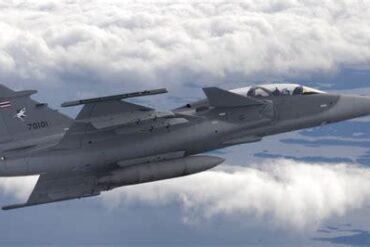
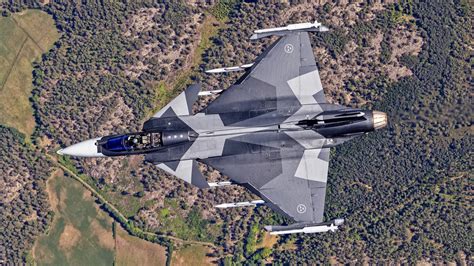
The first recorded combat involvement of the JAS 39 Gripen occurred during the Thailand-Cambodia border conflict in 2025. The Royal Thai Air Force deployed two Gripen fighters alongside F-16 aircraft during air operations against targets near the border area.
During these missions, Thai Gripens reportedly participated in strikes using Mk 82-class general-purpose bombs, potentially supported by GPS-guided glide technology. The aircraft were used to attack military targets, including artillery positions and other battlefield assets. This marked a historic moment because the Gripen finally moved from operational readiness into an actual combat environment.
Although the deployment was limited compared with larger air campaigns involving aircraft such as the F-16, F-15, or F-35, it proved that the Gripen could perform combat missions effectively. The operation also highlighted one of the aircraft’s core strengths: combining advanced capabilities with relatively low operating costs.
Why The Gripen Was Built For Modern Warfare
The Gripen’s design philosophy focuses on efficiency, survivability, and rapid response. The latest Gripen E variant introduces a more powerful engine, improved electronic warfare systems, longer range, and enhanced communications. These upgrades allow the aircraft to compete in increasingly complex air combat environments.
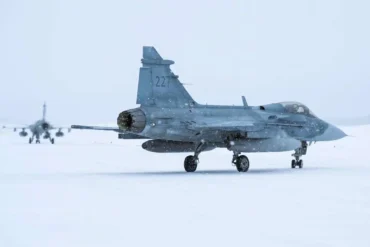
One of the Gripen’s most unusual advantages is its ability to operate away from traditional airbases. Swedish doctrine emphasizes dispersing fighters across the countryside, allowing aircraft to avoid destruction during enemy attacks. A Gripen can be prepared for another mission quickly, with a small ground crew able to refuel and rearm the aircraft in less than ten minutes.
The Gripen’s Potential Role In Ukraine
The future combat history of the Saab JAS 39 Gripen may expand significantly as Ukraine seeks additional fighter aircraft. Ukraine has expressed interest in acquiring Gripen fighters, including newer examples and donated older variants from Sweden.
The aircraft’s characteristics make it particularly attractive for a country facing constant threats against airfields. Its ability to operate from limited infrastructure, withstand harsh weather, and receive maintenance in difficult conditions could provide important advantages. The Gripen was originally designed for environments similar to those found in Northern Europe, where cold temperatures and rapid deployment requirements are common.
If Ukrainian Gripens enter frontline service, they may become the first aircraft of the type used in the role it was originally designed for: defending national territory against a powerful adversary. Such a deployment would likely become one of the most significant chapters in the fighter’s history.
A Fighter Finally Tested Beyond Training
For almost 30 years, the Saab JAS 39 Gripen demonstrated its capabilities through exercises, patrols, and international cooperation rather than direct combat. Its 2025 battlefield debut changed that record and confirmed that the aircraft was more than an advanced engineering project.
The Gripen’s combination of modern technology, operational flexibility, and cost efficiency continues to attract global attention. While its combat history is still relatively short, future conflicts and deployments may determine whether the Gripen becomes one of the most influential fighter aircraft of its generation.