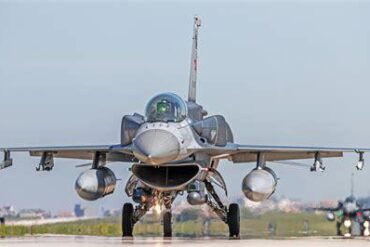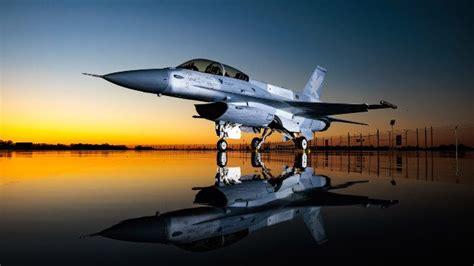
The long-anticipated modernization of the Philippine Air Force (PAF) may be nearing a pivotal moment as Lockheed Martin, the American aerospace and defense giant, confirmed it expects the U.S. government to issue a formal offer to Manila for a multi-billion-dollar deal involving 20 F-16 Block 70 fighter jets.
Lockheed Martin’s Vice President for Integrated Fighter Group Business Development, Aimee Burnett, indicated in a recent press briefing that the offer—already approved in principle by the U.S. Department of State back in April—is now awaiting final presentation. Burnett emphasized that while the exact timing is in the hands of Washington, the defense firm is optimistic that the formal offer will materialize “in the near future.”
This proposed sale, estimated at $5.58 billion, is seen as a key component of Washington’s commitment to bolstering the defensive capabilities of regional allies amid growing tensions in the Indo-Pacific.
U.S. Strategic Support for Indo-Pacific Allies
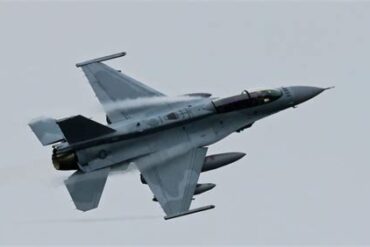
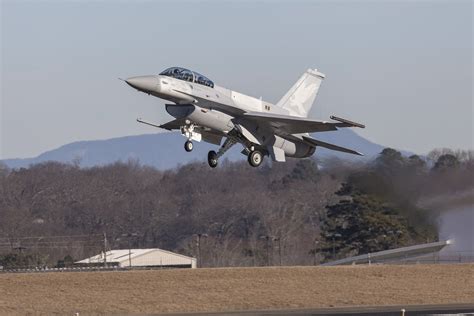
The pending proposal marks a significant moment in Philippine–U.S. defense relations, aligning with Washington’s long-term strategic goal of supporting key allies in Southeast Asia to counter growing Chinese assertiveness in the South China Sea. The F-16 Block 70, a fourth-generation, multi-role aircraft, represents the latest evolution of a combat-proven platform that has been the backbone of many NATO and allied air forces.
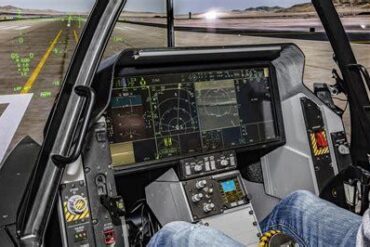
Equipped with advanced avionics, extended lifespan, and the AESA radar system, the Block 70 offers significant enhancements in situational awareness, survivability, and lethality. Its inclusion in the Philippine arsenal would not only elevate the country’s air defense capability but also serve as a cornerstone of interoperability with U.S. and allied forces.
Philippines Still Undecided Amid Competitive Proposals
Despite this expected offer, Philippine Defense Secretary Gilberto Teodoro Jr. recently confirmed that no formal proposal has yet been received by Manila. According to reports from Defense News, Teodoro emphasized that the government remains in the evaluation phase, weighing several contenders for the multi-role fighter (MRF) acquisition program.

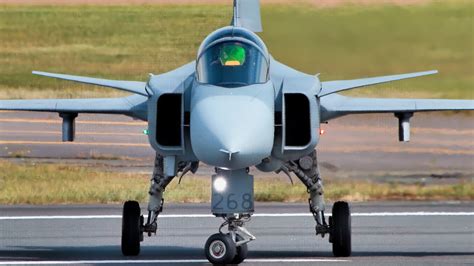
Lockheed Martin is not alone in vying for the Philippines’ selection. Sweden’s Saab and South Korea’s Korea Aerospace Industries (KAI) are presenting their respective offerings—the Jas-39 Gripen and the KF-21 Boramae—each with its own set of performance, affordability, and lifecycle cost advantages.
Saab’s Gripen: Value-Oriented Challenger
Sweden’s Saab has taken a proactive approach on digital platforms to promote the Gripen E, emphasizing its operational cost advantages. A recent Saab statement highlighted how the Gripen offers high-end capabilities with lower maintenance and operational expenses—an attractive proposition for a nation with limited defense funding.
“Gripen E offers the best value for money by combining cutting-edge technology, operational flexibility, and cost-efficiency. Despite its high-end capabilities, it is designed for low operational costs, with a focus on ease of maintenance and long service life,” Saab claimed in a promotional release aimed at Philippine defense stakeholders.
South Korea’s Rising Profile in Philippine Defense
Meanwhile, Korea Aerospace Industries (KAI) has already secured a foothold in the Philippine fighter market. Just last week, the Philippines signed a ₱40 billion agreement for 12 FA-50 Block 70 light fighters, also manufactured by KAI. While these aircraft are not direct competitors to the F-16 or Gripen in terms of capability, their presence underscores the growing defense relationship between Manila and Seoul.
KAI’s entry through the FA-50 deal might also strengthen its case for the more advanced KF-21, which is still under development but promises stealth features and expanded mission profiles. Whether the Philippines is willing to wait for a next-generation platform or opt for a proven system like the F-16 or Gripen remains a key decision point.
Lockheed Martin Strengthens Local Industry Ties
In an effort to reinforce its pitch, Lockheed Martin recently signed a memorandum of understanding (MoU) with the Philippine aviation services provider INAEC, focusing on developing local repair and maintenance capabilities. According to Jess Koloini, Director of Business Development at Lockheed’s Integrated Fighter Group, this initiative represents a foundational step toward building long-term indigenous aerospace capacity.
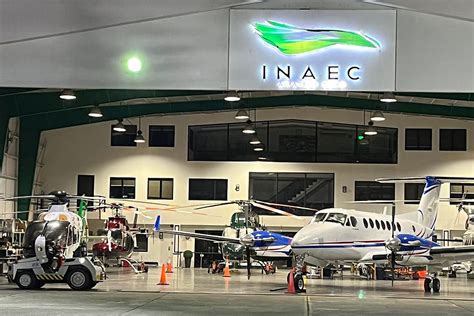
“This is a building block to what we know is your future aspiration of in-country indigenous capacity and repair capability,” Koloini stated during the MoU announcement. The agreement includes the establishment of maintenance, repair, and overhaul (MRO) frameworks that would allow the Philippine Air Force to locally sustain its potential F-16 fleet.
Such partnerships reflect Lockheed Martin’s broader strategy of promoting sovereign sustainment, an increasingly vital element in defense procurement decisions where self-reliance and technology transfer are prioritized by buyer nations.
Beyond Fighter Jets: A Holistic Aerospace Vision
Beyond the aircraft itself, Lockheed Martin’s offer could include multiple strategic enablers. The firm is reportedly considering the development of an aerospace innovation center in the Philippines, which would focus on workforce development in engineering and aviation maintenance. Additionally, discussions include the joint development of Indigo IV unmanned aerial systems (UAS)—an emerging technology area that could complement manned fighter operations.
This holistic approach mirrors recent trends in defense acquisition, where platform sales are increasingly bundled with training, infrastructure, and co-development opportunities. For the Philippines, this could translate into long-term gains in aerospace capacity, technology exposure, and industry diversification.
Strategic Implications for Southeast Asia
Should the Philippines move forward with acquiring the F-16 Block 70, it would join a growing list of Southeast Asian nations modernizing their air forces amid regional security volatility. Countries like Singapore, Indonesia, and Thailand have already integrated fourth and fifth-generation fighters, including F-16 variants and F-35s, into their fleets.
The addition of such capabilities would enhance the Philippines’ role in joint maritime patrols, intelligence sharing, and regional deterrence efforts under the broader U.S. Indo-Pacific security architecture. It would also increase Manila’s ability to safeguard its exclusive economic zone (EEZ) and respond to airspace incursions, particularly over the West Philippine Sea.
Conclusion: A Decision with Long-Term Consequences
The Philippines’ choice of a multi-role fighter will not merely shape the tactical capabilities of the Air Force—it will also determine the strategic posture, industrial trajectory, and foreign partnerships of the country for decades to come.
With the U.S. offer for F-16s poised to become formal and highly structured, and competitors actively marketing cost-effective alternatives, the decision now hinges on Manila’s priorities: proven capability, affordability, sustainment independence, and geopolitical alignment.
Whether the Philippines chooses the F-16’s battle-tested pedigree, the Gripen’s cost-efficiency, or the KF-21’s future potential, one thing is certain—the decision will reverberate far beyond the runway.