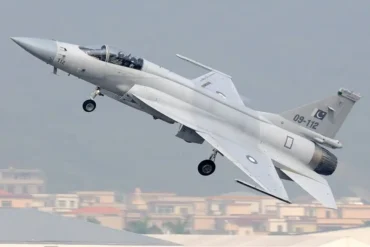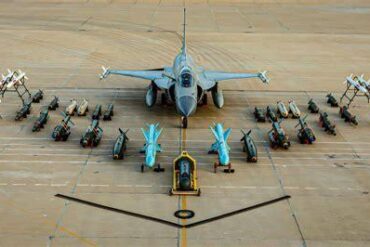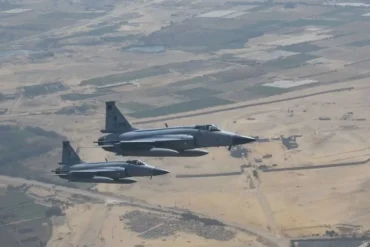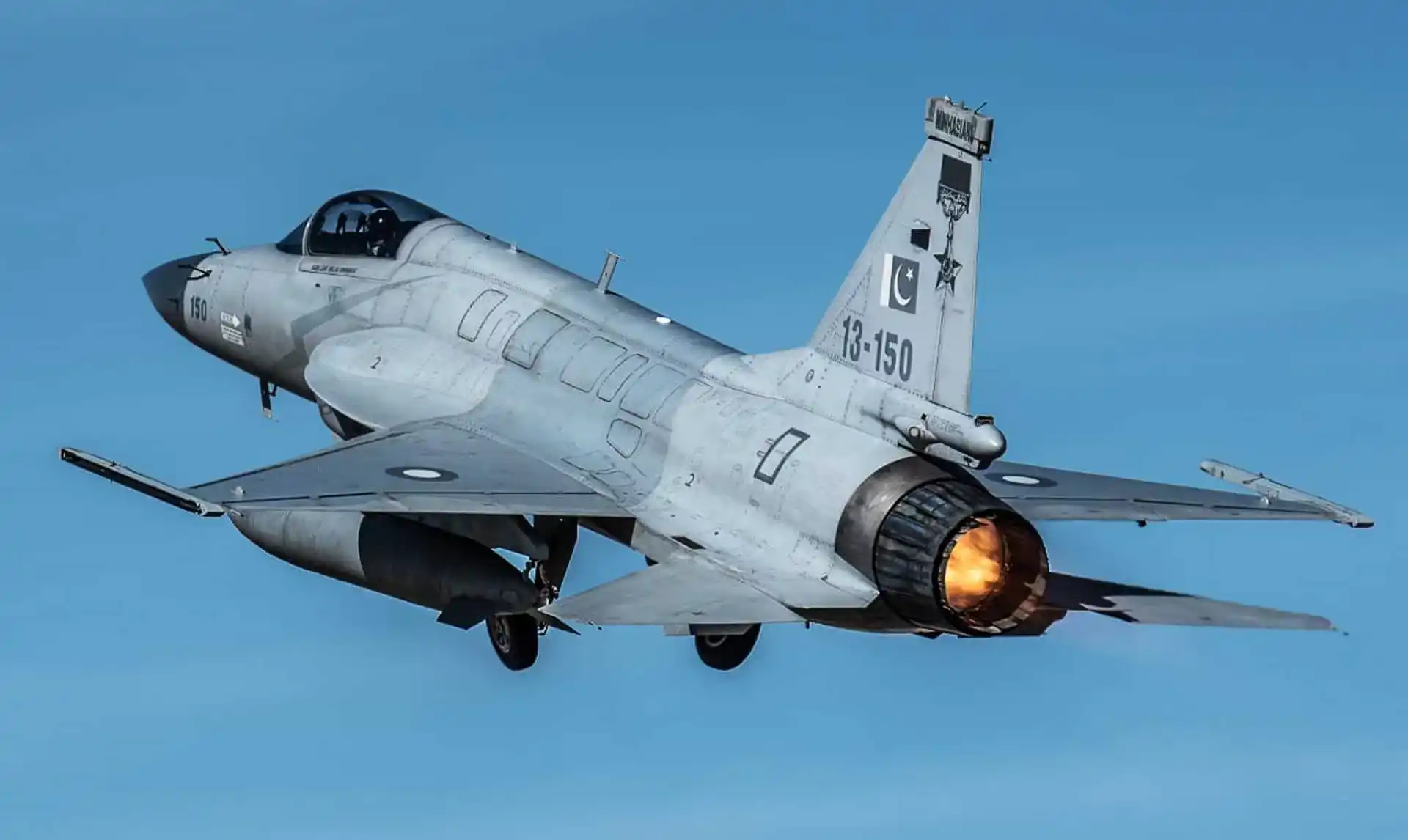
Pakistan has moved to deepen its defense relationship with Indonesia by formally offering up to 40 JF-17 Thunder multirole fighter jets, marking one of the most significant aerospace export discussions Islamabad has pursued in Southeast Asia. The proposal emerged during high-level defense talks held in Islamabad in January 2026, reflecting a broader strategy by Pakistan to position itself as a competitive supplier of combat aircraft, unmanned systems, and military training services across multiple regions.
The discussions brought together Indonesia’s Defense Minister Sjafrie Sjamsoeddin and Pakistan Air Force Chief Air Chief Marshal Zaheer Ahmed Baber Sidhu, signaling political and military commitment at the highest level. While no binding contract has yet been signed, both sides described the talks as advanced, with a clear focus on long-term cooperation rather than a standalone aircraft sale. The JF-17 proposal is embedded within a wider framework that includes armed drones, air defense systems, and structured training programs for Indonesian Air Force personnel.
For Indonesia, the talks come at a time of unprecedented fleet expansion and diversification. For Pakistan, they represent another step in transforming the JF-17 from a domestically focused platform into a globally marketed, operationally proven fighter.
Strategic Context Behind the Indonesia–Pakistan Defense Dialogue
Indonesia’s interest in the JF-17 must be understood within the context of its unique geographic and strategic environment. Stretching more than 5,000 kilometers across over 17,000 islands, the country faces complex air defense and patrol requirements that cannot be met by a small number of high-end fighters alone. As a result, Jakarta has consistently pursued a procurement philosophy that balances technological sophistication with numerical strength and affordability.
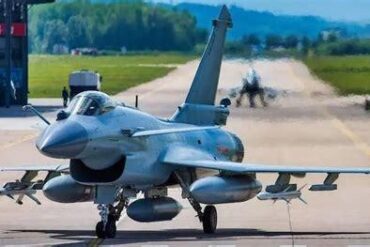
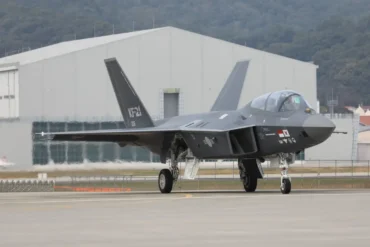
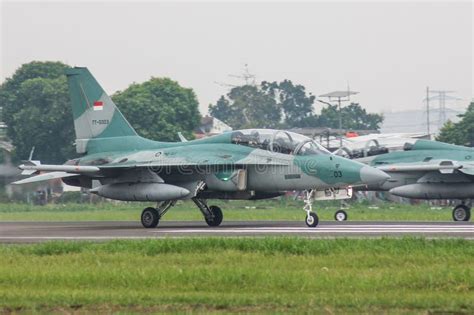
Indonesia already operates one of the world’s most diverse fighter fleets, including U.S.-built F-16s, Russian Su-27 and Su-30 aircraft, French Rafales, and South Korean T-50 trainers, supported by turboprop light attack aircraft. Major acquisitions are underway, with confirmed or announced orders for 42 Rafales, 48 Turkish KAANs, and 42 Chinese J-10C fighters, alongside potential purchases of KF-21 Block II and F-15EX aircraft. If fully realized, this roadmap would push Indonesia’s future combat fleet toward more than 170 fighters.
Within this landscape, the JF-17 is not positioned as a replacement for advanced platforms like the Rafale, but as a cost-effective multirole complement that can sustain daily operational availability across Indonesia’s vast airspace.
Why the JF-17 Fits Indonesia’s Force Structure
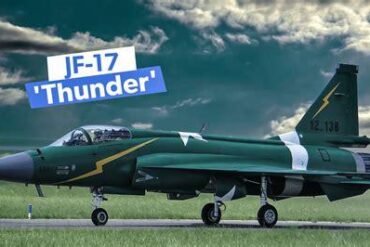
The JF-17 Thunder occupies a carefully defined niche in the global fighter market. Designed as a lightweight, single-engine multirole aircraft, it offers supersonic performance, modern avionics, and multirole weapon compatibility at a fraction of the acquisition and operating cost of heavier Western fighters. For air forces that need numbers, flexibility, and manageable sustainment demands, this balance has become increasingly attractive.
Indonesia’s past experience with arms embargoes in the late 1990s and early 2000s left a lasting imprint on its procurement doctrine. Today, diversification is not a preference but a strategic imperative, reducing exposure to political pressure from any single supplier. The JF-17, jointly developed by Pakistan and China, fits neatly into this model by adding another independent supply line to Indonesia’s already mixed ecosystem.
Equally important is Pakistan’s willingness to package the aircraft with training pipelines, engineering support, and complementary systems, reducing the institutional burden often associated with introducing a new fighter type. For Indonesia, which must maintain readiness across multiple aircraft families, this integrated approach carries significant appeal.
Inside the JF-17 Thunder: Capabilities and Evolution
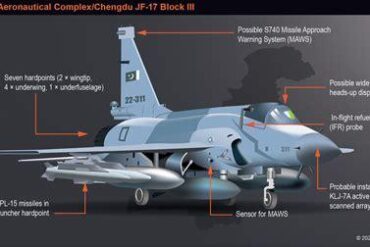
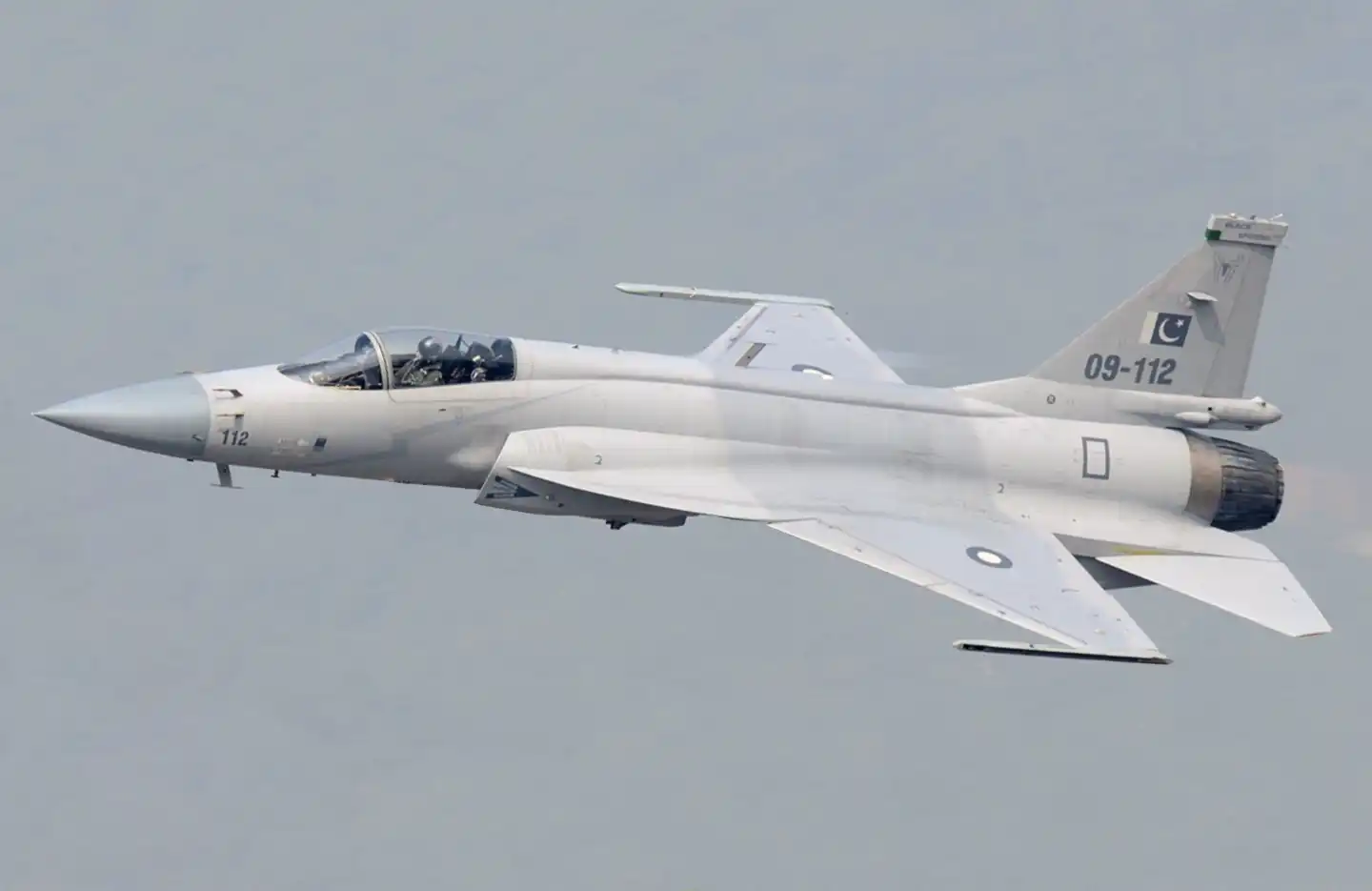
The JF-17 Thunder is powered by the RD-93 turbofan engine, enabling supersonic flight and operations from dispersed or semi-prepared air bases. Its design philosophy emphasizes simplicity, survivability, and modular upgrades, allowing operators to modernize incrementally rather than commit to expensive mid-life overhauls.
Later variants of the aircraft incorporate active electronically scanned array (AESA) radar, advanced electronic warfare suites, and compatibility with beyond-visual-range air-to-air missiles and precision-guided munitions. The glass cockpit, fly-by-wire controls, and multiple external hardpoints provide flexibility across air defense, strike, and maritime roles.
For export customers, the aircraft’s relatively low maintenance footprint and adaptable logistics model are often as decisive as its combat performance. These characteristics have enabled the JF-17 to transition from a national program into a scalable international product.
Pakistan’s Expanding JF-17 Export Strategy
Indonesia is not an isolated case. Over the past several years, Pakistan has steadily expanded its JF-17 outreach, securing confirmed exports to Myanmar, Nigeria, Azerbaijan, and Libya, while holding active or reported discussions with Bangladesh, Iraq, Saudi Arabia, Sudan, and Indonesia. In many of these engagements, the aircraft is offered as part of broader defense packages rather than as a standalone platform.
Azerbaijan’s adoption of the JF-17 marked a turning point, demonstrating that the aircraft could be successfully integrated into a foreign air force with real-world operational demands. Parallel negotiations with Libya and Sudan have involved larger military supply frameworks, reinforcing Pakistan’s ambition to act as a comprehensive defense partner rather than a niche exporter.
Bangladesh’s talks combine fighter acquisition with Super Mushshak trainer aircraft, addressing both combat and pilot training requirements. Saudi Arabia has explored the possibility of converting existing financial arrangements into military equipment deliveries, with the JF-17 among the systems under consideration. Iraq, seeking to supplement or replace its limited F-16IQ fleet, has also shown interest.
These parallel tracks underscore a deliberate strategy: positioning the JF-17 as a flexible, politically accessible option for air forces operating under budgetary, institutional, or geopolitical constraints.
Training, Drones, and Air Defense: Beyond the Fighter Jet
One of the most significant aspects of the Indonesia talks is the emphasis on training and institutional cooperation. Pakistan has proposed training Indonesian Air Force personnel at junior, mid-level, and senior command tiers, along with specialized programs for engineering and maintenance staff. This approach reflects an understanding that long-term defense partnerships are sustained as much by human capital as by hardware.
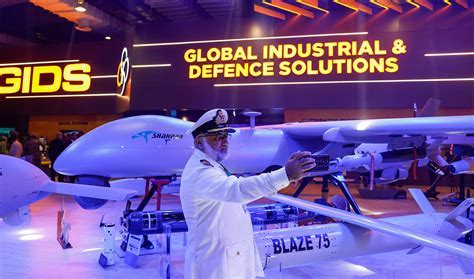
The discussions also covered Shahpar unmanned aerial vehicles and air defense systems, indicating Indonesia’s interest in integrated airpower solutions rather than isolated platforms. By aligning fighters, drones, and ground-based defenses within a single cooperation framework, Pakistan is offering Indonesia a cohesive operational ecosystem.
This model reduces dependency on multiple foreign training pipelines and strengthens interoperability across different branches of the Indonesian armed forces, particularly in surveillance, maritime security, and rapid response missions.
Operational Credibility and Regional Signaling
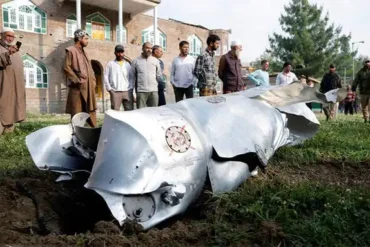
Interest in Pakistan’s defense products has grown following the brief but intense India–Pakistan conflict of 2025, during which Pakistani aircraft and systems received heightened international attention. While the JF-17 was already operationally deployed before that period, the conflict reinforced perceptions of Pakistan’s aerospace industry as combat-tested and adaptable under pressure.
For prospective buyers like Indonesia, operational credibility matters. The aircraft is not marketed as an unproven prototype but as a platform already integrated into active air forces, supported by established training and sustainment structures. This credibility enhances Pakistan’s negotiating position, particularly in regions where buyers seek pragmatic, deployable capability rather than cutting-edge exclusivity.
Implications for Indonesia’s Long-Term Airpower Vision
If finalized, a JF-17 acquisition would further entrench Indonesia’s reputation as a non-aligned, multi-supplier airpower state. While this diversity increases logistical and training complexity, Indonesian planners have consistently accepted that trade-off in exchange for strategic autonomy and resilience against supply disruptions.
The JF-17 would likely serve as a high-availability workhorse, handling routine patrol, air defense alert, and secondary strike missions, while higher-end fighters focus on deterrence and advanced combat roles. This layered approach allows Indonesia to maximize fleet availability without overburdening its most expensive assets.
A Calculated Step, Not a Sudden Shift
The Pakistan–Indonesia talks do not represent a sudden pivot but a calculated extension of existing defense logic on both sides. For Pakistan, Indonesia offers scale, prestige, and regional visibility. For Indonesia, the JF-17 offers flexibility, affordability, and another pillar in its deliberately diversified force structure.
As negotiations continue, the outcome will depend on financing terms, delivery timelines, and how effectively the broader cooperation package aligns with Indonesia’s long-term planning. What is already clear is that the JF-17 Thunder has evolved into more than a national fighter program—it is now a strategic instrument of defense diplomacy, and Indonesia stands as one of its most consequential prospective partners.